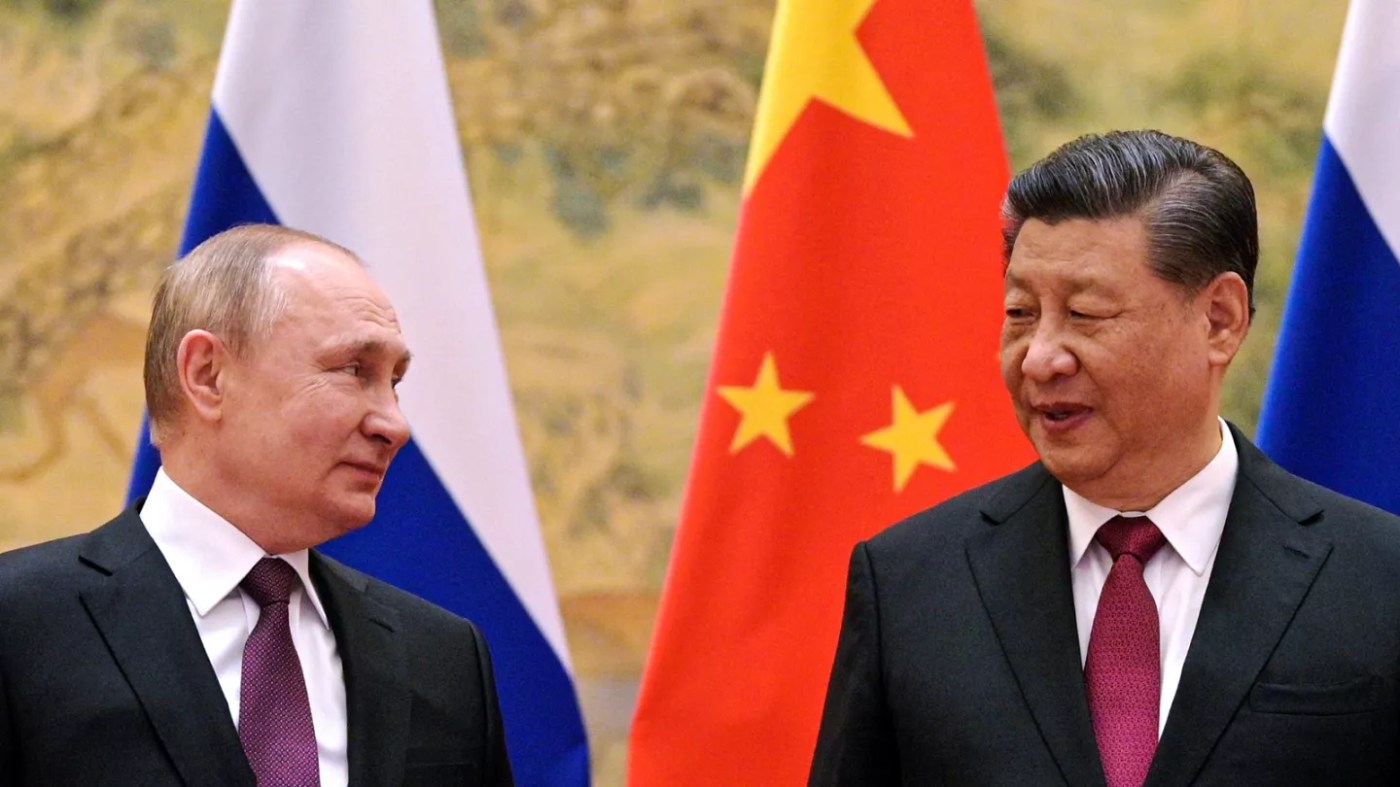
On May 21, 2014, just months after the Russian invasion of Crimea China and Russia signed a natural gas deal worth over $400 billion. This heralded a pivot east for Russian business amid ongoing tensions with the West over Ukraine. Though few details of the deal were made public the 30-year gas-export contract was seen as a move by Russian President Vladimir Putin to aggressively shift the country’s commercial interests east amid mounting sanctions from the United States and Europe. Putin enjoyed a warm welcome in China during that event, where the two countries inked a raft of other agreements, many of which the details are yet to be disclosed.[1] But the direction of Russian foreign policy has become clear—appeasing the West or even making an effort to support in form is no longer a consideration.
Russia and China 1, West 0
It doesn’t take a keen observer to realize that Russia and China have become increasingly close partners over the past decade, creating a challenge to the global balance of power. The collaboration has been spearheaded by Chinese President Xi Jinping, convincing Russian President Vladimir Putin to pursue interests that will benefit Chinese ambitions. Together, these two countries have created an upheaval in the power dynamics of the world that could result in unseating the US by the end of the decade. Throughout the last decade, Xi and Putin have been scheming to accelerate the end of the US global dominance, but make no mistake, the Russian invasion of Ukraine has been part of a long-term chess game China has been playing. As a long drawn-out war did to the Soviet Union in the 70s, the war in Ukraine will be to the West. As the years go on, the bet is the beleaguered global power will find itself on the other side of global dominance fence.
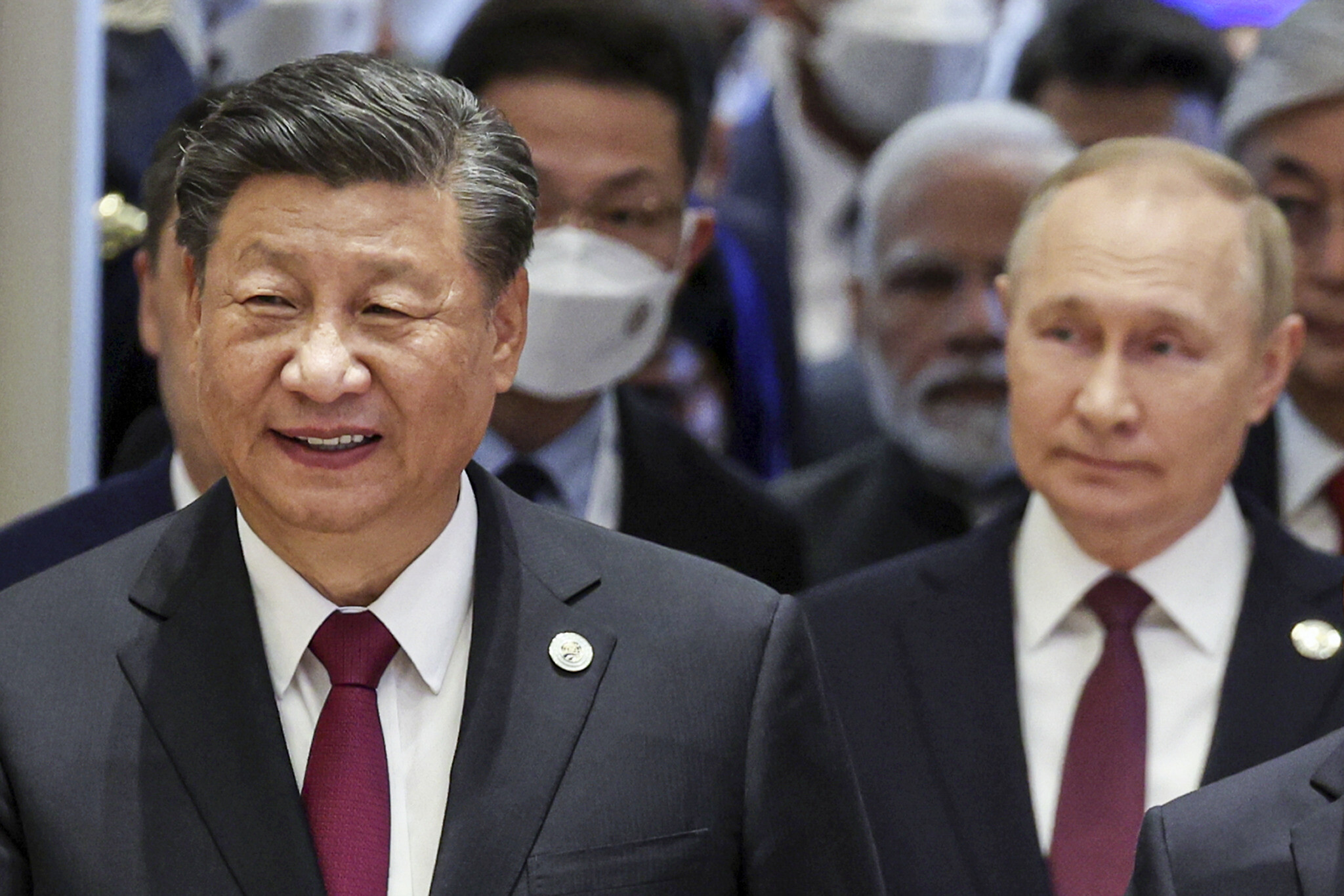
Russia and China are Close (Very Close)
Russia and China have become increasingly close politically and economically over the past decade, and their partnership has challenged the global balance of power. Chinese President Xi Jinping has been the engine behind this partnership, convincing Russian President Vladimir Putin to pursue interests that make China more powerful in the eyes of the world. The US and the West have been pulled into a war in Ukraine as a result of these collaborations, and China plans to outmaneuver the US to become the world’s new superpower by the end of the decade.
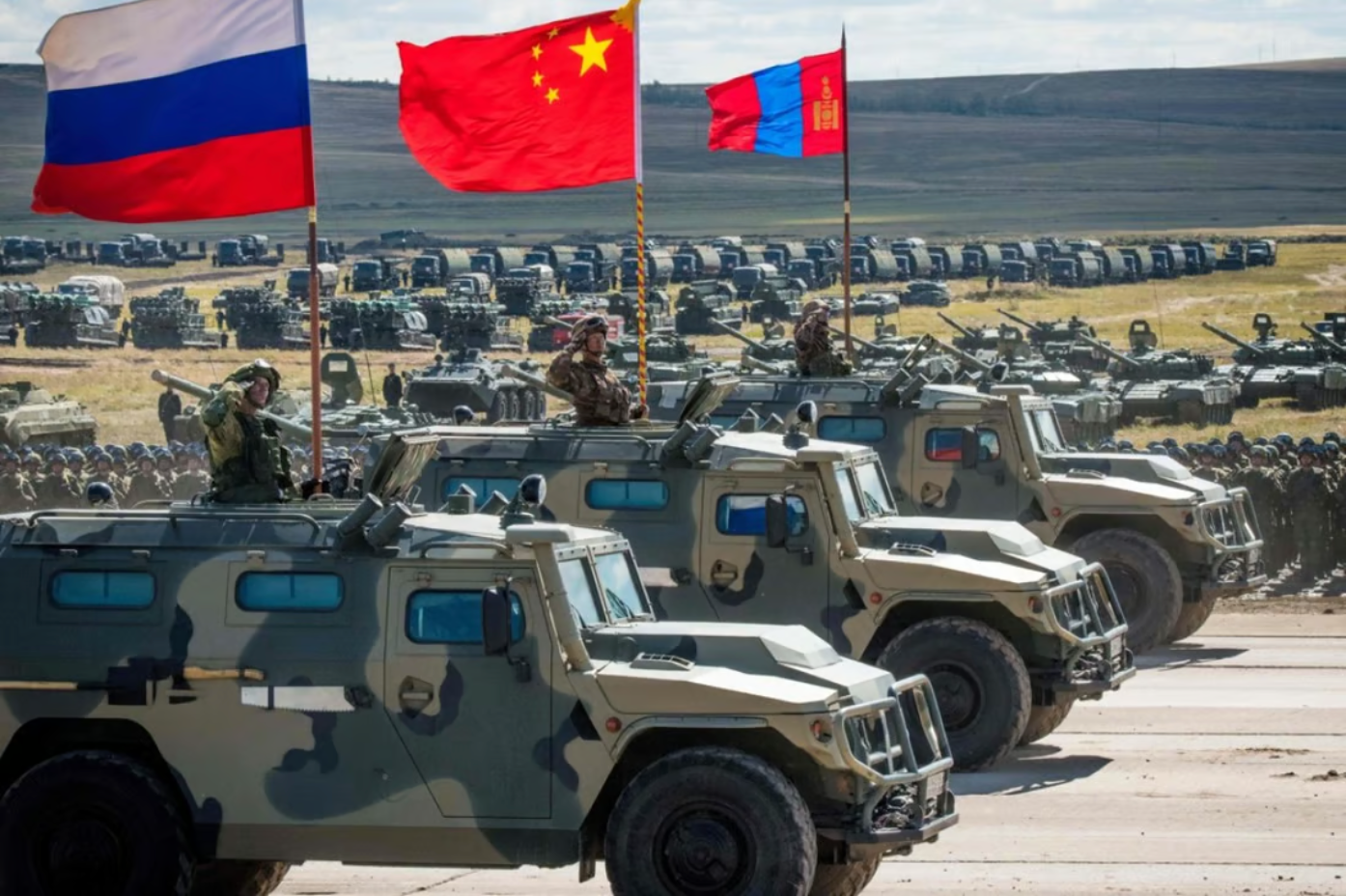
Background on Russia–China Interactions
It is clear that Xi has convinced Putin to pursue interests that serve China’s ambitions of global dominance. The Crimea, stolen from Ukraine in 2014 has been the jewel in Putin’s crown, and he’ll do whatever it takes to hold on to it. The full invasion of Ukraine last year was a perfectly calculated move, but make no mistake that Xi was behind it.
By establishing a strong corridor to Crimea through the Black Sea, Russia will be able to ensure its access to vital resources such as water and military power. But the psychological element of Xi’s persuasion should not be underestimated, as he has been able to use his position of power to assure Putin that his interests in Crimea will be respected. By appealing to Putin’s sense of nationalism, China has been able to secure a powerful military ally in its quest for global power.
Impacts of Moscow-Beijing Collaboration
The US and the West have been unwittingly drawn into a war in Ukraine as a result of China’s strategy. By supporting the rebel forces in the region, China has been able to ensure that the US and the West will become embroiled in a conflict with no end in sight. Ultimately, this strategy will serve to weaken the West and allow China to gain ground in its struggle for global power.
The Global Dominance Rule Book
Similar to a set of rules and strategies used by the Dutch to unseat the Spanish (1648), the British to unseat the Dutch (1815) and the Americans to unseat all other rivals, including Britain (1945), China’s approach to global power projection involves a systematic adherence to a set of principles. While the exact details of Xi’s strategies may not be publicly available, experts speculate that China’s strategy encompasses several key elements:
-
Economic Dominance: China leverages its economic strength to expand its influence globally. Through initiatives like the Belt and Road Initiative, China seeks to establish economic partnerships and infrastructure projects that enhance its connectivity and influence.
-
Military Modernization: China has invested heavily in modernizing its military capabilities, including the development of advanced weaponry and the expansion of its naval presence. This provides China with greater flexibility and the ability to assert its dominance in contested regions.
-
Assertive Diplomacy: China adopts a proactive and assertive diplomatic stance, engaging in multilateral forums, forging strategic partnerships, and using its influence to shape global agendas that align with its interests.
-
Technology and Innovation: China places a strong emphasis on technological advancement and innovation, investing heavily in areas such as artificial intelligence, 5G networks, and space exploration. This allows China to gain a competitive edge and exert influence in key sectors of the global economy.
-
Soft Power Initiatives: China employs cultural diplomacy, promoting its language, culture, and educational opportunities to enhance its global soft power. Initiatives like the Confucius Institutes and international media outlets (e.g., CGTN) are tools aimed at shaping international narratives in its favor.
It is important to note that the specific details and extent of China’s adherence to a rule book are speculative in nature, as China’s strategic decision-making is not transparent. However, these broadly outlined principles provide insights into China’s approach to global power projection.
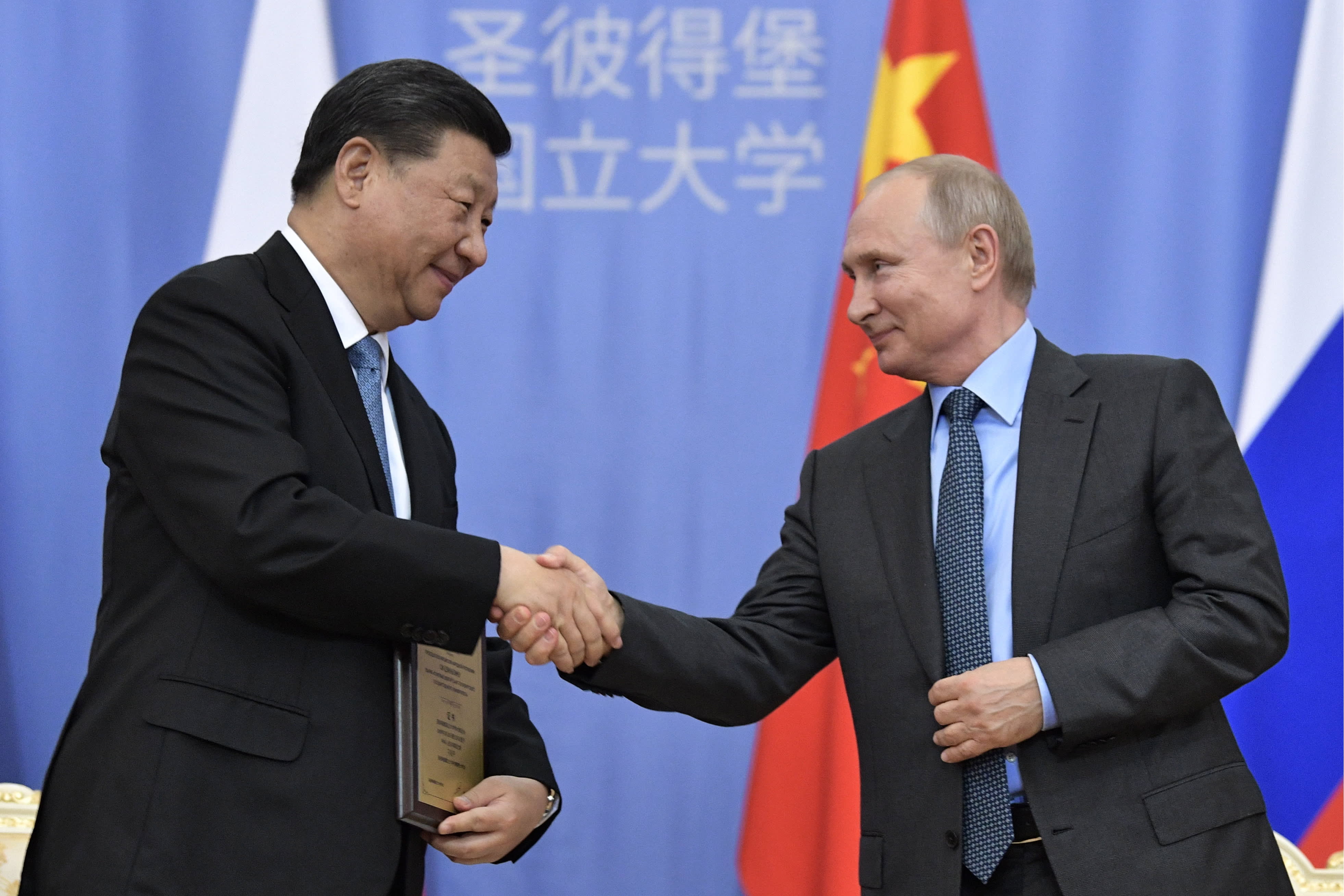
There’s One More Set of Strategies
As China positions itself for economic, military and technological dominance, it has a few more pieces to the puzzle to quicken the fall of America. Like a soldier falling on his own sword, China is strategizing to do little to engage directly with the global power. This specific set of strategies is nothing new:
1. Pull the current global power into a long conflict with no end game–mission accomplished
2. Play a neutral position and be the broker of peace–happening before our eyes
3. Position for final blow, in this case likely not Taiwan, or on the battlefield, but in global interests and currency–true power
Conclusion
Russia and China’s cooperation has the potential to dramatically alter the balance of power in the world. Xi has managed to convince Putin to pursue interests that will further China’s mission of global dominance. In the process, the US and the West have been pulled into a war of attrition in Ukraine with no end in sight. Much remains to be seen, but it is clear that the implications of Russia-China collaboration should not be underestimated.
Should China’s plan succeed, America will find itself exhausted and unseated by the end of this decade. The pandemic, had been a catalyst in the decline of America but the war in Ukraine is once again accelerating expenditures the US cannot afford. The US dollar has been battered, yet it still holds. For how long, only time will tell. Whether Russia wins the war in Ukraine it might not matter. China will silently support Russia, and eventually fund the rebuild of the tattered corridor Russia has secured. Once it wins the economic war, it will secure unrivalled power with no one to stop the expansion of its military and technological might that will help it dominate the globe for decades.
Sources
- China and Russia ink $400 billion gas deal. USA Today. May 21, 2014.
- ChatGPT.
 Notes Beyond the Map
Leave a comment