Prologue
As an ardent admirer of history’s embrace and a seeker of untold tales, Ethiopia has unfailingly captivated my imagination. It stands as a living paradox—a country where the echoes of ancient traditions reverberate through the ages, coexisting harmoniously with the dynamic pulse of a nation on the precipice of transformation.
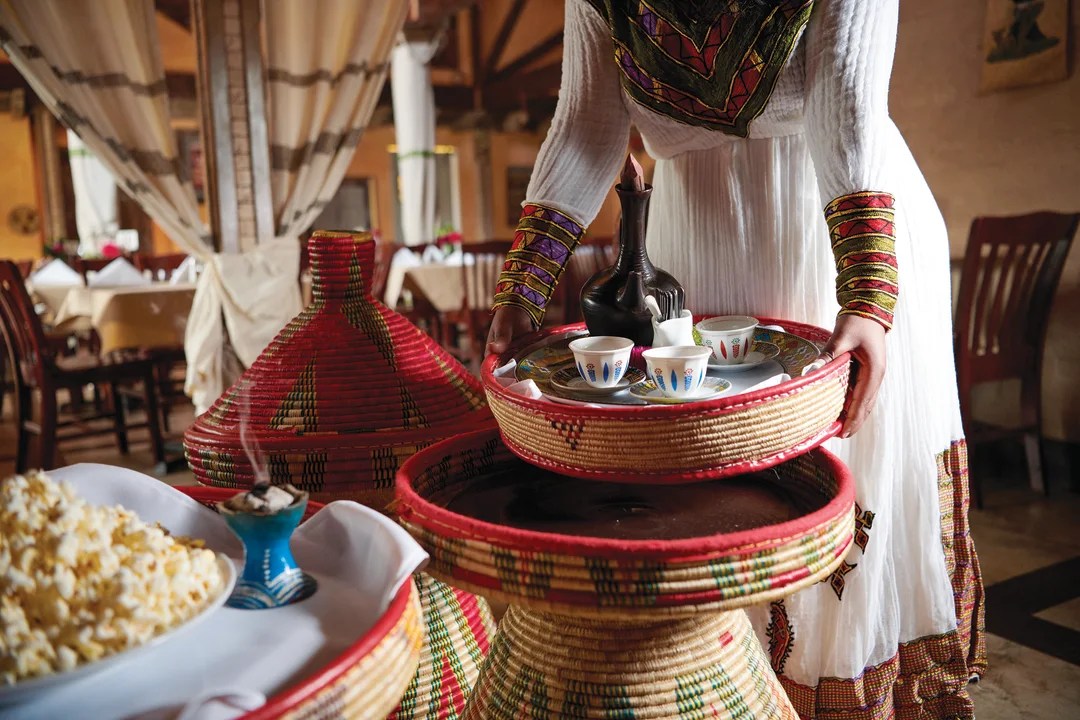
Draped in the threads of diverse cultures, languages, and people, Ethiopia beckons with a magnetic allure. The resilience of its traditions, seemingly untouched by the relentless march of time, is a testament to a nation that has safeguarded its cultural wealth against the tides of change. I find myself drawn to the tapestry of Ethiopia, where community transcends individuality, and the warmth of shared coffee ceremonies and communal plates binds hearts in a shared rhythm of existence.
Yet, amidst this rich tapestry, a disquieting undercurrent tugs at the seams. Ethiopia stands at a crossroads, where the choices made today will mould the destiny of generations to come. The looming spectres of famine, civil unrest, and desperation cast shadows over a land that, for all its enduring traditions, faces an uncertain future. The perilous road ahead, fraught with hardships, underscores the urgency of decisions that can shape the nation’s trajectory.
This is not just a narrative of a country; it is a deeply personal exploration of a nation caught in the delicate balance between preserving its heritage and navigating the tempestuous winds of change. Ethiopia, with its resilient spirit and vibrant tapestry, now stands at a critical juncture—a crossroads where the choices made will echo through time, determining whether its future is one of triumph or tribulation. Join me as we navigate this intricate narrative, peeling back layers to reveal the complex and enigmatic soul of Ethiopia.

Introduction
Nestled in the heart of the Horn of Africa, Ethiopia stands as a captivating mosaic of time, tradition, and untapped potential. Steeped in a history that stretches back millennia, this East African nation is a tapestry woven with the resilience of its people and the richness of its cultural tapestry. As the land where the first Homo sapiens walked the Earth, Ethiopia is not merely a country; it is a living chronicle of human history.
With a calendar that dances to a different rhythm, marking New Year on September 11th and Christmas on January 7th, Ethiopia beckons the curious to explore its temporal nuances. Beyond the temporal eccentricities lies a religious tradition that breathes life into ancient practices, manifested in architectural marvels that whisper stories of bygone eras.
Yet, Ethiopia is not frozen in time. It stands at the crossroads of tradition and modernity, grappling with the complexities of the present. As we embark on a journey through the layers of Ethiopia, we will delve into the communal spirit of shared meals, the echoes of civil unrest, and the shadow of economic challenges. Yet, amid these trials, Ethiopia holds the promise of a future brimming with untapped potential and the resilient spirit of a people determined to shape their destiny.
Join us as we unravel the historical significance of Ethiopia, understand where it stands today and envision the boundless possibilities that lie ahead for a nation rooted in the sands of time.
I. Religious Tradition
Millennia-Old Practices
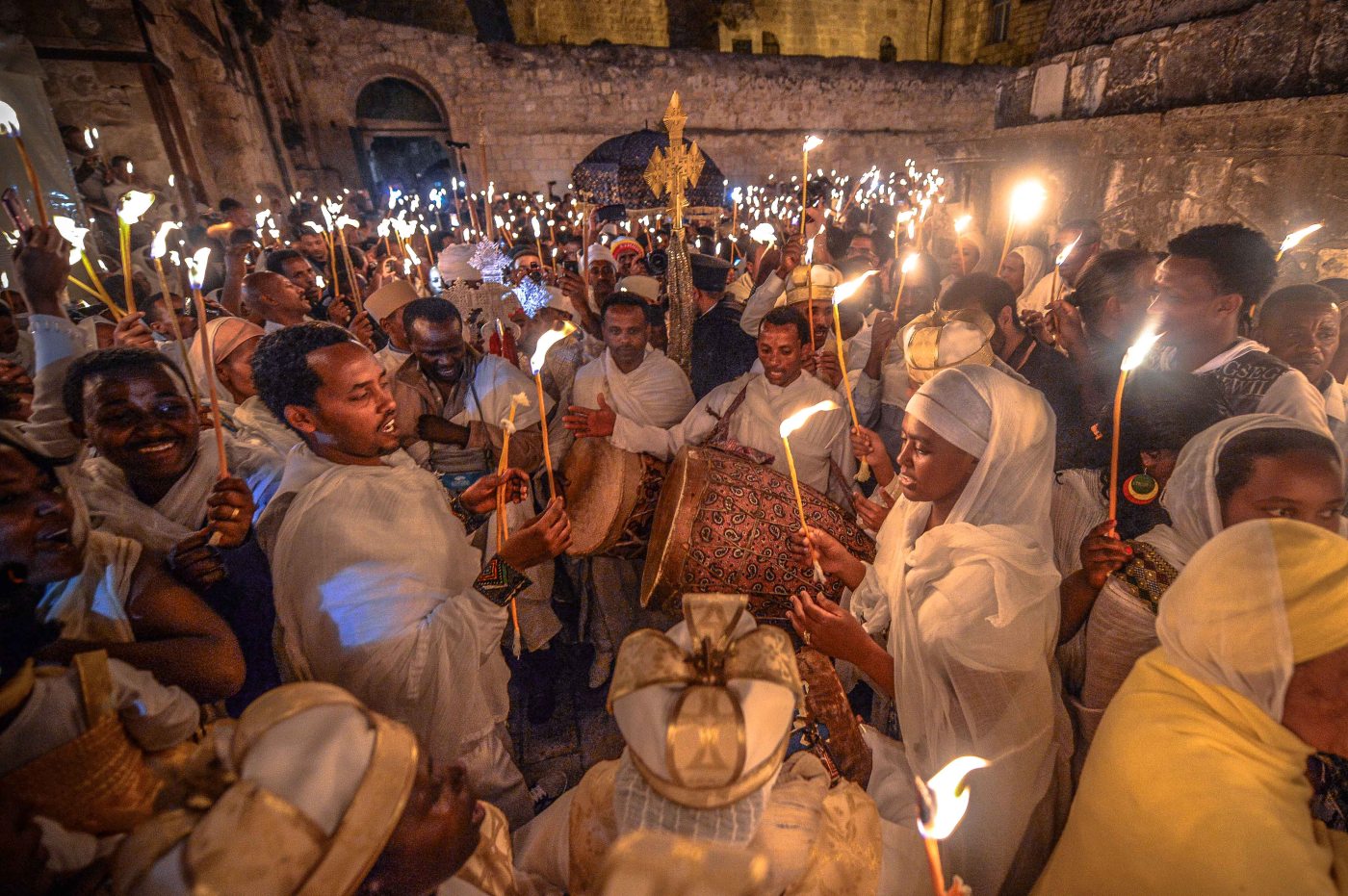
Ethiopia’s religious tapestry is woven with threads dating back thousands of years. The country boasts a unique blend of Christianity and indigenous beliefs, making it one of the earliest regions to adopt Christianity in the 4th century. Pilgrims traverse rugged landscapes to visit Lalibela, a UNESCO World Heritage site known for its rock-hewn churches. These sacred structures, chiseled from solid rock, stand as testaments to the enduring spiritual devotion of the Ethiopian people.
Architectural Marvels: Ancient Churches and Their Significance
The stone-carved churches of Lalibela, resembling a divine underground city, are not mere monuments; they are living expressions of faith. Carved during the reign of King Lalibela in the 12th century, these churches remain active places of worship. The intricate architecture and religious symbolism etched into every corner beckon visitors to explore a sacred landscape where history, spirituality, and art converge.

II. Culinary Delights
Dining Rituals: Shared Plates and Communal Eating
Ethiopian cuisine is more than a feast for the senses; it is a communal celebration. Traditional meals are served on a large communal platter, and diners, often family and friends, gather around to share the experience. Injera, a spongy sourdough flatbread, serves as both plate and utensil, encouraging a sense of unity and togetherness. Each mouthful becomes a shared adventure, fostering bonds as strong as the flavours on the plate.
Unique Flavors: Exploring Ethiopia’s Distinctive Cuisine
The spice-laden aromas of berbere and the earthy undertones of injera characterize Ethiopia’s unique culinary landscape. Dishes like Doro Wat, a spicy chicken stew, and Tibs, sautéed meat seasoned to perfection, showcasing the country’s diverse flavours. Coffee, deeply embedded in Ethiopian culture, is a ritualized experience, inviting both locals and visitors to savour the richness of tradition in each cup.
III. The Enigmatic Present
Civil Unrest and the Ongoing Conflict
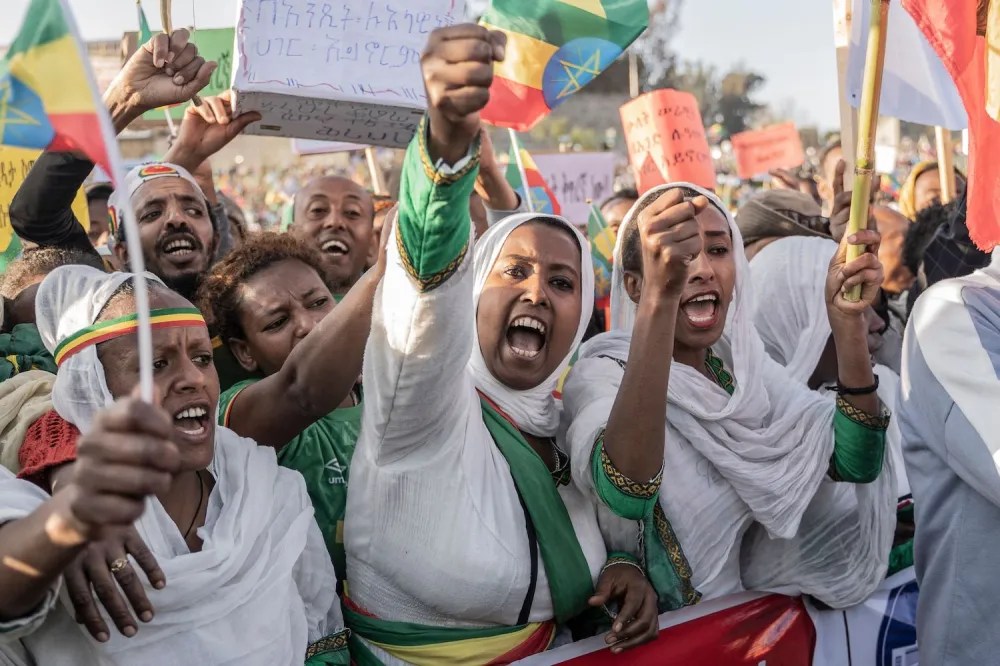
Ethiopia grapples with internal challenges, with recent years marred by civil unrest and regional conflicts. The Tigray conflict, a complex and multifaceted struggle, has left its mark on the nation. As communities navigate these turbulent waters, the resilience of the Ethiopian people shines through, reflecting a deep commitment to overcoming adversity.
Economic Struggles: Navigating Debt and Development Challenges
The path to economic stability is riddled with obstacles. Ethiopia faces mounting debt and developmental challenges, raising questions about the nation’s financial future. Balancing progress with preserving cultural heritage becomes a delicate dance, and the choices made today will shape Ethiopia’s trajectory on the global stage.
IV. A Glimpse into the Unknown
Unraveling the Mysteries: A Closer Look at Ethiopia’s Rich Heritage
Ethiopia’s story extends beyond the well-trodden paths, inviting exploration into lesser-known facets of its history. From the ancient city of Aksum, an archaeological treasure trove, to the vibrant traditions of the Omo Valley tribes, the nation reveals layers waiting to be unveiled.
Global Impact: Understanding the Significance Beyond Borders
As Ethiopia grapples with internal challenges, its global impact resonates. Whether in its diplomatic endeavours, contributions to peacekeeping missions, or environmental initiatives, Ethiopia’s role transcends its borders. Understanding these broader implications adds depth to the narrative, positioning Ethiopia as a key player on the world stage.
Conclusion
Ethiopia: Balancing Tradition and Turmoil
In the convergence of ancient traditions and contemporary challenges, Ethiopia emerges as a nation in flux, seeking equilibrium between its storied past and uncertain present. The resilience imprinted in its history suggests that, despite the tumultuous journey, Ethiopia is poised to navigate the complexities ahead.
Inviting the World to Discover the Layers of a Complex Nation
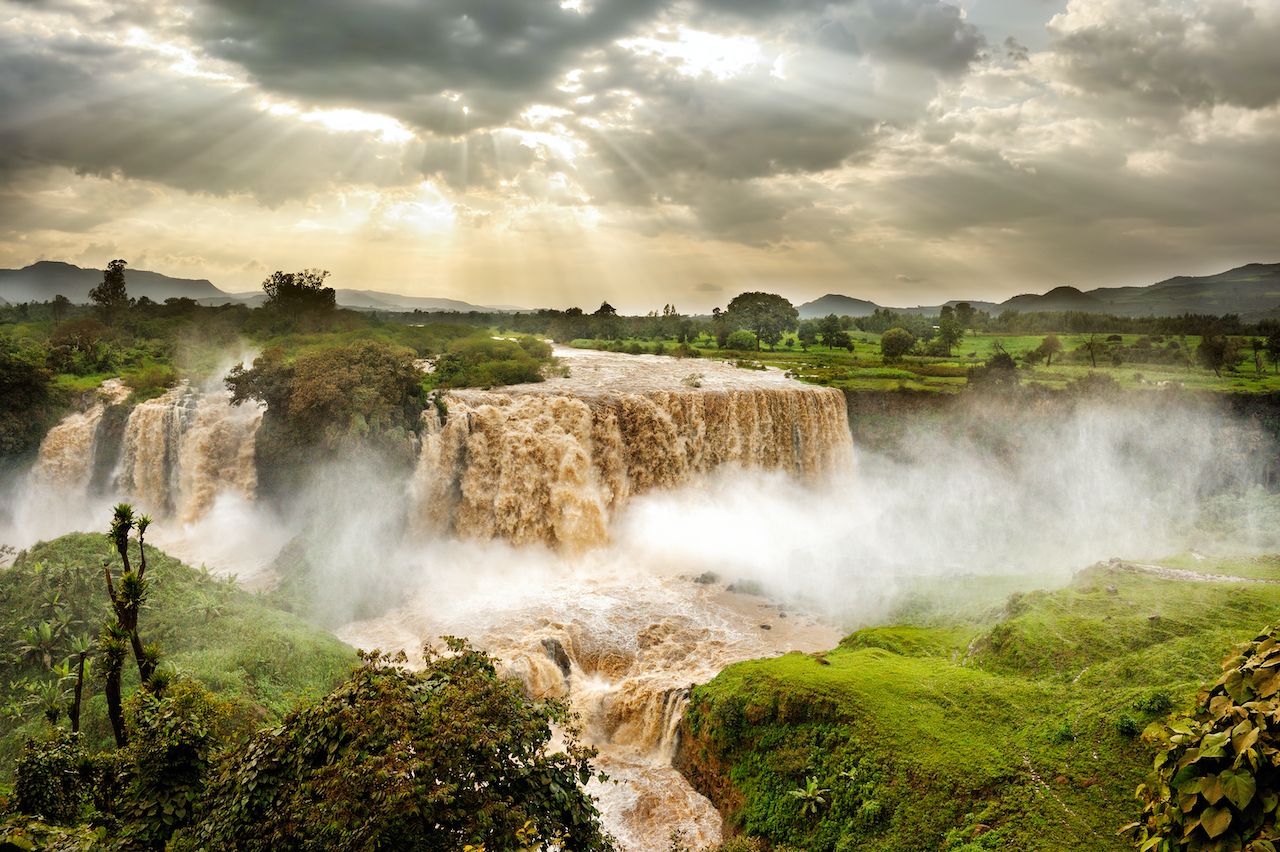
Ethiopia extends an invitation to the world—an invitation to explore its timeless landscapes, savor its diverse flavors, and comprehend the intricate dance between tradition and transformation. As we ponder Ethiopia’s past, present, and potential, we bear witness to a nation with a narrative as rich and multifaceted as the land itself.
 Notes Beyond the Map
Leave a comment