
Prologue
In the labyrinth of life, the impact of racism is not a distant concept but a painful reality that strikes close to the heart. My journey into understanding the complexities of racism began not with a personal encounter but through the lens of those dearest to me—my wife, family, and friends. Witnessing their resilience in the face of discrimination ignited a fervent desire for change, for a future unburdened by the weight of prejudice.
One cannot help but be profoundly affected when the tendrils of racism coil around the lives of those you hold most dear. The shared stories of my wife’s encounters with subtle biases and my friends navigating the challenges of systemic discrimination form a tapestry of frustration and resilience. It is an intimate experience, where the hurt and frustration felt by loved ones become a call to action, urging us to dismantle the walls of prejudice that obstruct the path to true equality.
As a witness to these stories, my yearning for a solution intensifies. It is not merely a desire for justice but a deep-rooted hope that future generations will not inherit the heavy burden of this insidious stigma. There is a collective responsibility to ensure that the struggles faced by my loved ones and countless others do not become a wasted legacy. Our pursuit is not just for tolerance but for a society where diversity is celebrated, and every individual is afforded the dignity and respect they deserve.
This exploration into the layers of racism is not a detached analysis but a heartfelt endeavour to contribute to a world where our children and their children can thrive without the shadows of discrimination. The call for change resonates not just in the echoes of personal experiences but in the shared dreams of a future liberated from the chains of racism. The journey ahead is challenging, but the destination promises a society where love, understanding, and unity triumph over the darkness of prejudice.

Introduction
In the intricate tapestry of society, the threads of racism persist, weaving a narrative of inequality and injustice. This article seeks to unravel the layers of racism, examining its diverse manifestations—Institutional, Systemic, Interpersonal, and Internalized. By understanding the complexities of each type, we embark on a journey toward awareness, empathy, and, ultimately, solutions. In our quest to comprehend the intricate dynamics of racism, this exploration unfolds with four essential goals: first, to unravel the historical origins that have shaped the foundations of racial prejudice; second, to identify regions where racism is most deeply entrenched, exemplified by countries such as the United States, South Africa, and Brazil; third, to scrutinize the diverse manifestations of racism across different cultures and societies, recognizing its multifaceted nature; and finally, to delve into theories and strategies offering potential solutions in a world that is more interconnected and complex than ever before. From ancient ethnocentrism to modern institutional biases, this journey seeks to foster understanding, awareness, and meaningful pathways towards dismantling the pervasive structures of racism. Join us as we navigate the complex landscape, aiming for a future marked by equity, inclusivity, and unity.

Theories on the Origins of Racism
The origins of racism are complex and multifaceted, and scholars have proposed various theories to understand how this phenomenon might have originated among humans. Evolutionary psychologists suggest that early humans developed an innate tendency to form ingroups and outgroups as a survival mechanism, leading to the categorization of people based on perceived differences. Social psychologists emphasize the role of cultural and societal factors, arguing that racism is learned behaviour influenced by cultural norms and historical power dynamics. Additionally, economic theories propose that the pursuit of resources and power may have contributed to the justification of hierarchies and discriminatory practices. While the exact genesis of racism remains elusive, these theories collectively underscore the interconnectedness of biology, culture, and societal structures in shaping human attitudes and behaviours toward others. Understanding these theories is crucial in addressing the deep-seated roots of racism and devising effective strategies for dismantling its pervasive influence.
Earliest Recorded Examples
As we embark on a historical journey to uncover the origins of racism, we turn our gaze to the earliest recorded instances that laid the foundation for the complex tapestry of prejudice we confront today. From ancient civilizations that propagated ethnocentric views to the institutionalization of racial hierarchies during the transatlantic slave trade and the imperialistic ideologies of colonial powers, these early examples shape the contours of modern racism. By examining these historical roots, we seek not only to understand the evolution of discriminatory beliefs but also to grasp the profound impact they continue to have on contemporary societies. Join us in tracing the footsteps of the past as we unveil the historical layers that contribute to the enduring challenge of dismantling racism.
Ancient Greece and Rome
Both ancient Greek and Roman societies exhibited forms of ethnocentrism, where they considered their own cultures superior to others. The concept of “barbarians” was often used to describe non-Greeks or non-Romans, portraying them as uncivilized and inferior.
Modern Impact: This ethnocentric view laid the groundwork for later racial hierarchies, influencing notions of cultural superiority that continue to resonate in various forms of modern racism.

Transatlantic Slave Trade
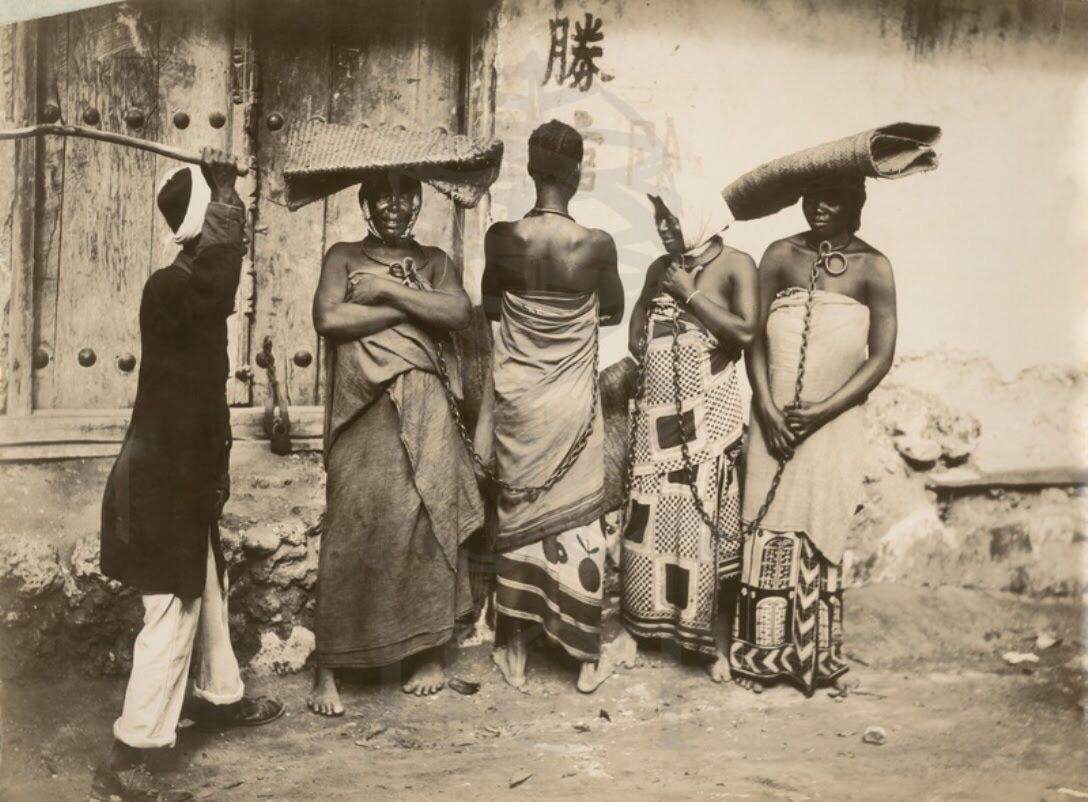
The transatlantic slave trade, spanning from the 16th to the 19th centuries, involved the forced migration of millions of Africans to the Americas as slaves. This institutionalized form of racism categorized people based on race, with Africans seen as inferior and suitable for enslavement.
Modern Impact: The legacy of the transatlantic slave trade has left lasting effects on racial relations, contributing to deeply rooted stereotypes, systemic racism, and the persistent socio-economic disparities faced by Black communities.
Colonialism
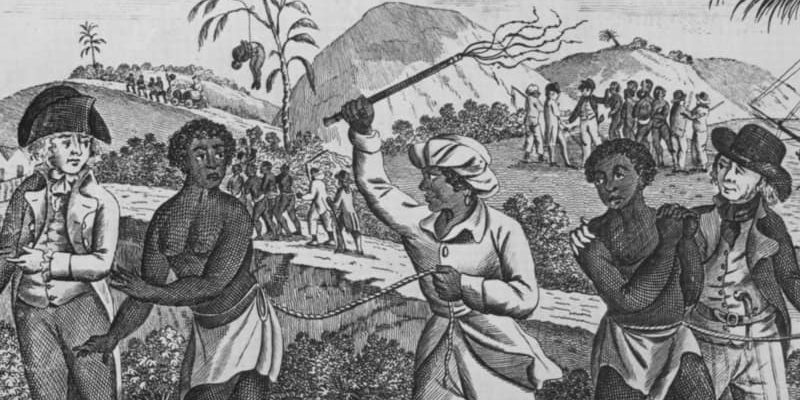
European colonial powers, particularly during the 19th and early 20th centuries, justified their imperialistic endeavours by asserting the racial and cultural superiority of Europeans over indigenous populations in Africa, Asia, and the Americas.
Modern Impact: The racial hierarchies established during colonialism continue to influence global power dynamics, impacting post-colonial societies and contributing to ongoing issues of racism, inequality, and discrimination.
Types of Racism
In the intricate tapestry of human interaction, racism reveals itself in diverse and insidious forms, permeating institutions, societies, and individual beliefs. To unravel the complexity of this pervasive issue, we delve into the various types of racism—each a distinct thread contributing to the fabric of inequality. From systemic biases ingrained in institutions to individual prejudices manifesting in everyday interactions, our exploration aims to shed light on the nuanced dimensions of racism. Understanding these types is a crucial step towards dismantling the barriers that perpetuate discrimination and fostering a more equitable and inclusive world for all.
Institutional Racism
- Description: Embedded discriminatory practices within societal institutions.
- Societal Impact: Unequal opportunities and outcomes for marginalized groups.
- Example: Biased policies in education or employment.
Systemic Racism
- Description: System-wide patterns that disadvantage certain racial groups.
- Societal Impact: Perpetuates disparities in areas like criminal justice and healthcare.
- Example: Racial profiling leads to disproportionate arrests.
Interpersonal Racism
- Description: Prejudice and discrimination on an individual level.
- Societal Impact: Contributes to a hostile environment for targeted individuals.
- Example: Racial slurs or discriminatory behaviour.
Internalized Racism
- Description: Acceptance of negative racial stereotypes by individuals from the targeted group.
- Societal Impact: Impacts self-esteem and identity.
- Example: Internalized beliefs about one’s own inferiority.
Modern-Day Countries Where Racism is Most Prolific
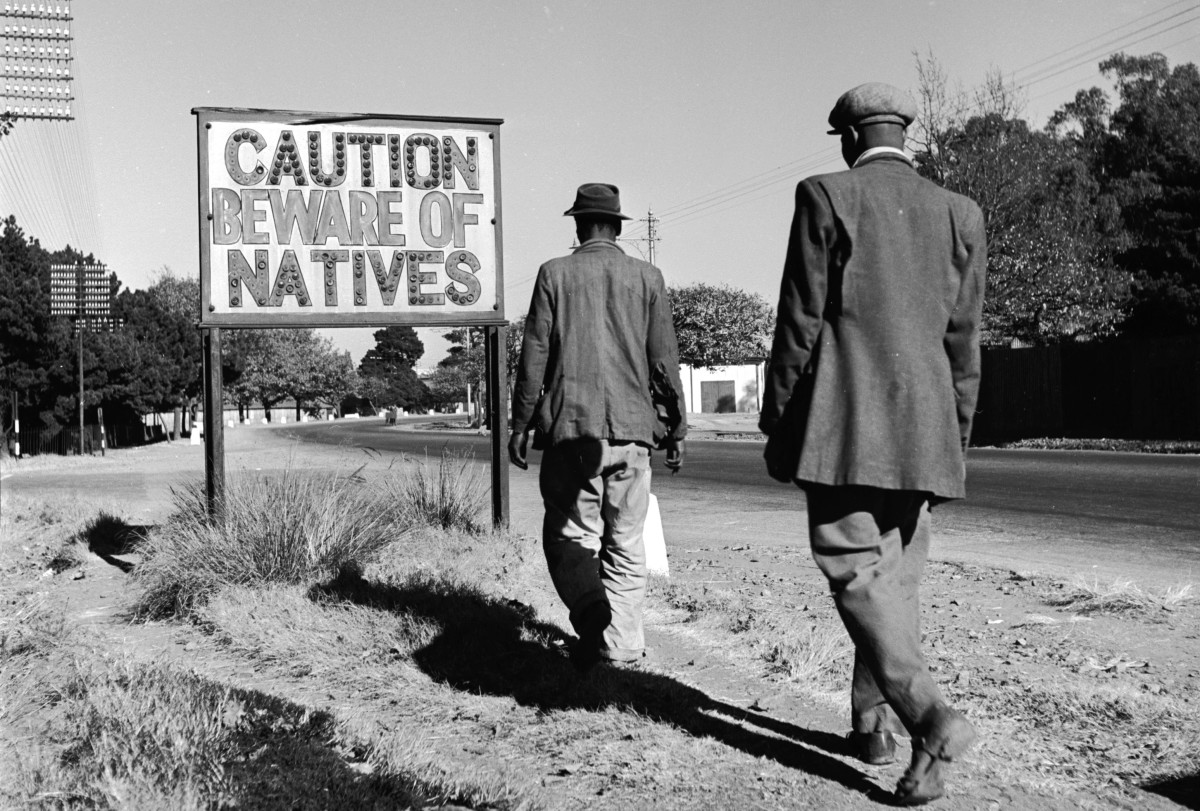
In the modern-day there are countries where racism is often deemed most prolific and widespread share certain commonalities, primarily being developed nations with relatively high GDPs. These include the United States, South Africa, Brazil, India, Australia, United Kingdom, Russia, China, Germany, France, Canada, Italy, Japan, Turkey, Sweden, Mexico, Argentina, Saudi Arabia, Israel, South Korea. These countries tend to have diverse populations, intricate histories of colonization or immigration, and complex social structures. The common factors contributing to the prevalence of racism in these developed nations include:
- Diversity and Immigration: Developed countries often attract diverse populations due to economic opportunities, leading to a mix of ethnicities and cultures. While diversity is a strength, it can also be a source of tension, as different groups navigate shared spaces and resources.
- Colonial Legacy: Many of these nations have a history of colonization, where racial hierarchies were established and systemic biases in grained. The repercussions of these historical injustices continue to influence contemporary attitudes and structures.
- Economic Disparities: Developed nations with high GDPs may still grapple with economic disparities along racial lines. Disparities in education, employment, and wealth distribution can contribute to systemic racism.
While racism exists in developing countries as well, it may not be as prominently highlighted or recorded for several reasons. Developing nations often face challenges like poverty, political instability, and lack of resources, which may divert attention from addressing racism explicitly. Additionally, some developing countries may have more homogeneous populations, reducing the visibility of racial issues compared to the diversity seen in countries like the United States, South Africa, and Australia. However, it’s essential to recognize that racism can manifest in various forms across different societies, regardless of their level of development. Efforts to address racism should be context-specific, considering the unique dynamics of each region.
Current Dynamics and Pathways Forward
Recent Movements
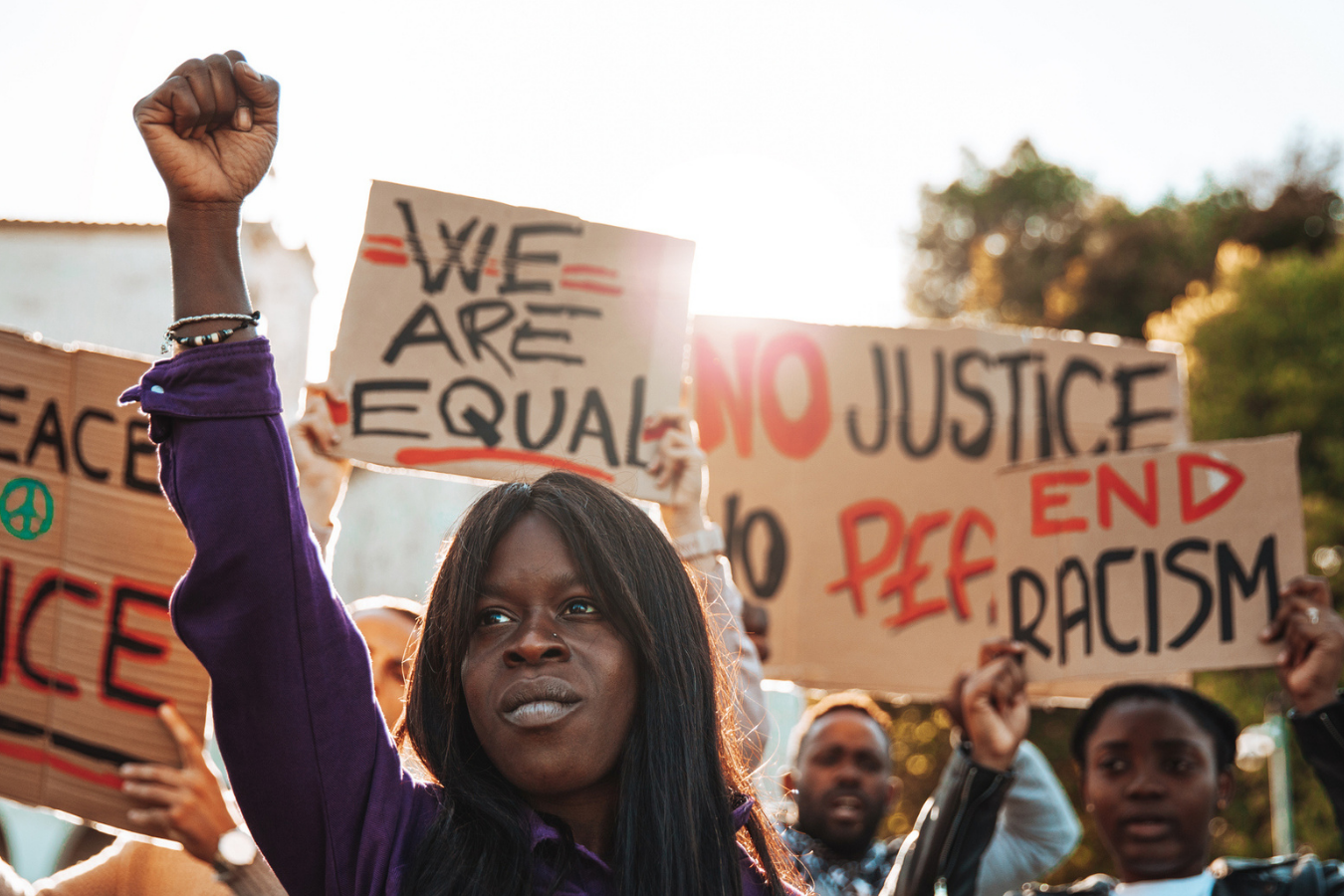
In recent years, global movements such as Black Lives Matter have brought the pervasive issue of racism to the forefront, sparking widespread conversations and prompting calls for systemic change. These movements, fueled by a collective demand for justice and equality, have not only raised awareness but have also underscored the urgency of addressing deeply rooted racial disparities. Across the world, voices are rising, advocating for an end to racial injustice and the establishment of inclusive societies.
Changing Tides
Several countries are witnessing transformative shifts in their approach to racism. Policy reforms, public discourse, and initiatives aimed at dismantling systemic biases indicate a growing recognition of the need for change. Nations are increasingly acknowledging the importance of diversity and actively working towards fostering inclusive environments. These positive developments signify a collective effort to build societies that reject discrimination and celebrate differences.
Setbacks with Nationalism
However, amid these positive strides, there has been a concerning rise in nationalist sentiments across the globe. Nationalism, when fueled by exclusionary ideologies, poses a significant setback to the fight against racism. It can perpetuate an “us versus them” mentality, fostering hostility towards those perceived as outsiders. Navigating the delicate balance between national pride and inclusivity becomes paramount to ensure that efforts to combat racism are not undermined by divisive ideologies.
In this dynamic landscape, it is evident that progress is being made, but challenges persist. The movements for change and the evolving stance of nations against racism highlight the importance of ongoing dialogue, education, and collective action. As we forge a way forward, confronting setbacks and celebrating successes, the global community must remain committed to creating a world where diversity is not only acknowledged but cherished—a world free from the shackles of racism.
Conclusion
As we conclude our exploration into the intricate dimensions of racism, recent movements, and changing global dynamics add a new layer to our understanding. Three crucial learnings emerge from these contemporary developments. First, recognizing the historical roots of racism becomes a call to action, urging us to dismantle persistent structures that perpetuate inequality. Second, acknowledging the regions deeply entrenched in racism, such as the United States, South Africa, and Brazil, underscores the urgency for targeted efforts to address systemic issues, amplifying the voices demanding change. Third, understanding the diverse manifestations of racism emphasizes the need for nuanced solutions that encompass institutional, interpersonal, and internalized dimensions, aligning with the evolving complexities of our societies.
In this current landscape, each of us holds the power to contribute to transformative change. Recent movements exemplify the impact of collective awareness and empathy in challenging ingrained biases. Engaging in open dialogue, advocating for equitable policies, and supporting initiatives that promote inclusivity are tangible ways to combat racism both at the individual and societal levels. As we navigate these currents of change, let us carry the lessons learned into our communities, recognizing the shifting tides and striving for a future marked by equality, justice, and unity. The journey may be challenging, but the collective impact of our efforts holds the promise of a more inclusive and compassionate world in the face of both progress and setbacks.

 Notes Beyond the Map
Leave a comment