
Introduction: The Canadian Housing Paradox
Between Dreams and Reality: A Financial Quagmire
At the age of 41, boasting a robust career in IT and a salary that breaks the six-figure mark, one could reasonably expect the dream of home ownership in Canada to be a possibility, but a given. Yet, here I stand, emblematic of the grim reality that pervades Canada’s housing market—distanced by leagues from the mere thought of purchasing a home. The market’s towering prices and the shadow of financial peril make it appear not as an opportunity, but a snare. Despite its allure and promises, British Columbia has come to represent the elusive, heightening sense of desolation felt by many in my shoes. As I reconcile with the idea of being a perennial renter, I harbour no jealousy toward those in my circle who have ventured into homeownership. To me, the enormity of such a commitment, especially in this volatile market, does not justify the chase.

The Crisis Unveiled
A Dumpster Fire Ignited
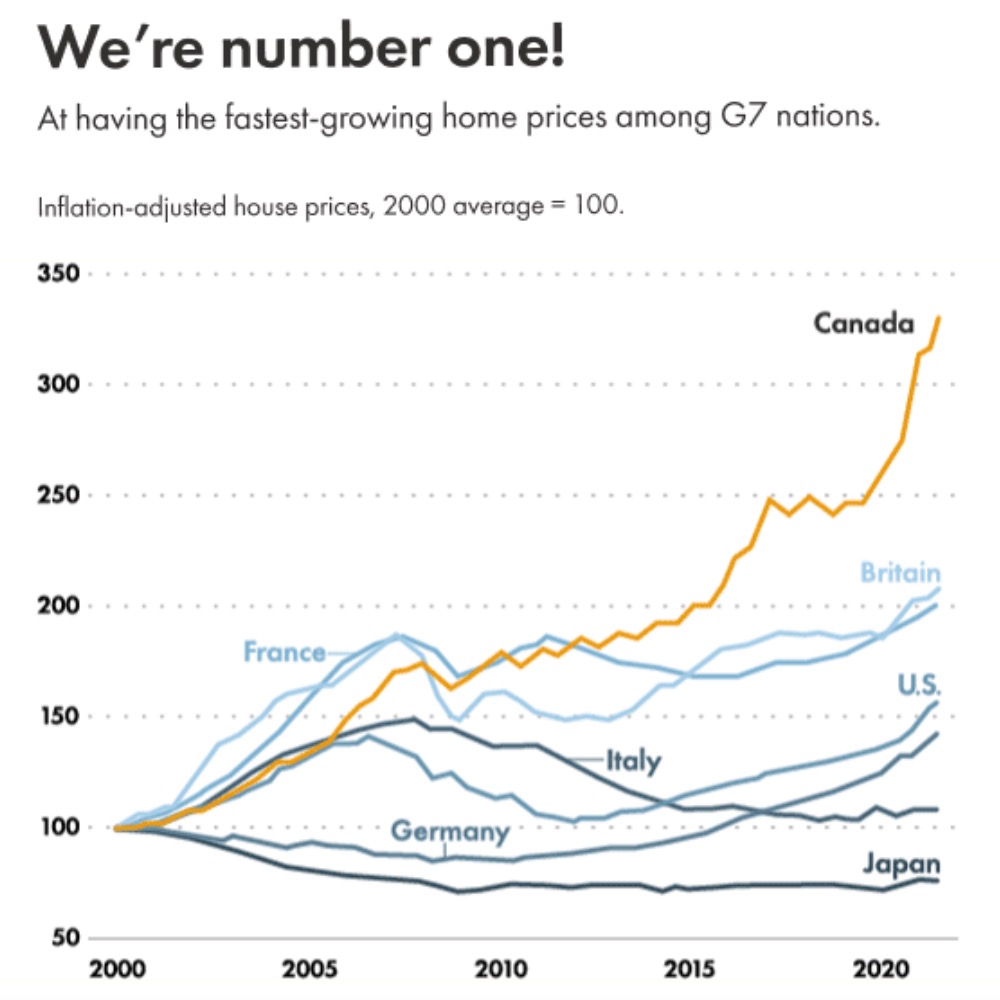
Canada’s housing market has transformed into what can only be described as a ‘dumpster fire’ for renters and prospective buyers alike. The crisis, fueled by the pandemic, reveals a stark reality: a ballooning population, insufficient construction, and skyrocketing prices. Now, less than half of Canadians can afford a condo, a steep decline from just a few years ago. Even more telling is the widespread desire for a market cooldown, with a whopping 70% of Canadians, including homeowners, longing for a price drop.
The Heart of the Matter: Supply vs. Demand
Building Dreams or Towers of Despair?
The root of the crisis lies in a glaring supply-demand mismatch. Canada faces a daunting challenge: building up to 10 million new homes within the next decade to restore affordability. Yet, with a mere fraction of that number constructed last year, the goal seems Herculean. British Columbia’s recent zoning changes offer a glimmer of hope, aiming to densify residential areas by allowing multi-unit complexes. This bold move could pave the way for significant increases in housing availability, but is it enough?

Diverse Solutions for a Complex Problem
- Embrace Density: Ditching outdated single-family zoning rules could unlock the door to a more diverse and affordable housing landscape. Medium-sized housing units, such as townhomes and walk-ups, could fill the urban void, mirroring the success of European cities without single-family zoning.
- Innovate Design: A shift towards smarter apartment configurations could address the family-sized unit shortage. By reevaluating construction codes, like the two-stairwell rule, Canada could optimize space and cater to the evolving needs of its urban dwellers.
- Rethink Incentives: Cooling the overheated market demands a strategic pivot from incentivizing homebuyers to bolstering the supply of non-market homes. A significant increase in public housing could alleviate demand pressures, enabling a more balanced and accessible market.

The Path Forward: Advocacy and Action
Affordability: A Distant Dream?
For many Canadians, the financial burden of homeownership has become unbearable, consuming an unsustainable portion of their monthly incomes. The prospect of declining interest rates offers little solace, as true affordability remains elusive. A paradigm shift, driven by the policies outlined above, may offer a beacon of hope. Advocacy and grassroots action could catalyze the much-needed reform, encouraging a move towards a more inclusive and sustainable housing model.

Conclusion: Rethinking Wealth and Homeownership
Beyond the White Picket Fence
The Canadian housing crisis challenges the traditional notion of homeownership as the pinnacle of wealth building. Perhaps it’s time to diversify our approach to wealth, embracing investments beyond the volatile realm of real estate. As we navigate this complex landscape, it becomes clear that the dream of homeownership, once a staple of Canadian identity, requires a reimagined vision that embraces affordability, sustainability, and inclusivity for all.

 Notes Beyond the Map
Leave a comment