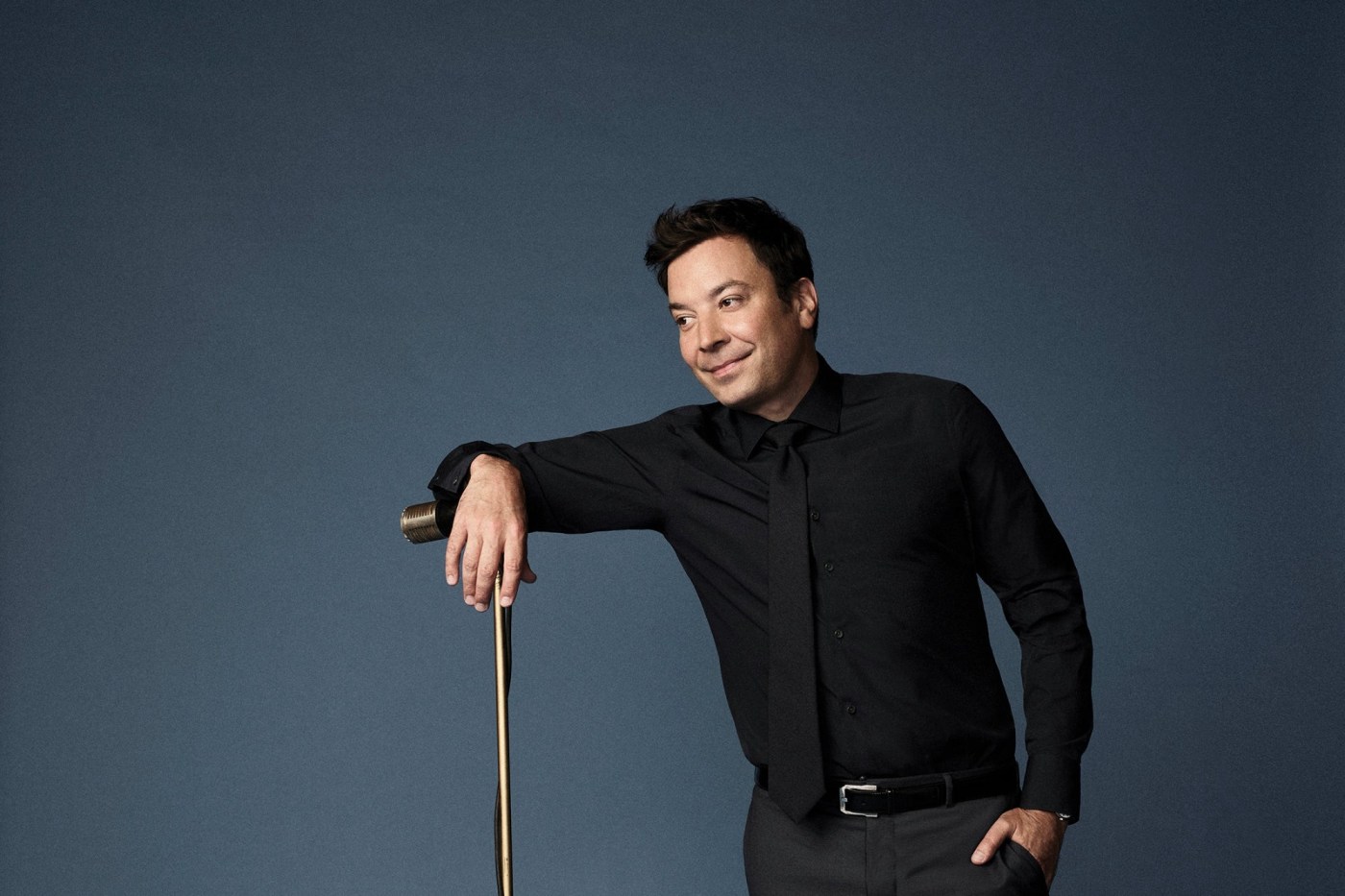
Jimmy Fallon’s journey from an energetic comedic hopeful to a beloved figure in American entertainment encapsulates a story of persistence, adaptability, and charisma. Over the decades, Fallon has transitioned from a variety show star to a late-night host, bringing a unique blend of comedy, music, and empathy to screens nationwide. His rise to fame and his continued popularity illuminate how a combination of humor, digital savvy, and an everyman persona can create an enduring legacy in entertainment.
Early Beginnings and SNL Success
Jimmy Fallon was born in 1974 in Brooklyn, New York, and grew up in an environment ripe with comedic influences. His early affinity for mimicry and performance found its first major platform when he joined the cast of “Saturday Night Live” (SNL) in 1998. During his tenure, Fallon became celebrated for his versatility, particularly his ability to perform impressions and participate in musical sketches. His infectious energy and frequent on-screen breaks (corpsing) endeared him to viewers and colleagues alike, setting the stage for future endeavors.
Explorations Beyond SNL
After SNL, Fallon ventured into cinema with movies like “Taxi” and “Fever Pitch,” though these films did not garner the critical acclaim he might have hoped for. Nonetheless, these experiences were pivotal in shaping his career, demonstrating his willingness to take risks and adapt to different entertainment mediums. Additionally, Fallon’s musical talents were highlighted in his 2002 album “The Bathroom Wall,” which received a Grammy nomination, affirming his dual prowess in comedy and music.
Conquering Late Night
In 2009, Fallon succeeded Conan O’Brien as the host of “Late Night,” where he significantly reshaped the late-night landscape. His innovative approach included viral segments, celebrity games, and a heavy integration of music, making the show a hit, particularly among younger, digital-native audiences. Fallon’s segments like “Lip Sync Battle” and “Thank You Notes” became cultural staples, demonstrating his ability to tap into the viral potential of the internet, which was crucial for attracting a modern audience.
Transition to “The Tonight Show”
Jimmy Fallon’s success with “Late Night” led to his takeover of “The Tonight Show” in 2014, bringing the show back to New York after over four decades. His tenure at “The Tonight Show” has been marked by a blend of traditional talk show elements and new media innovations. Fallon’s show serves as a platform for both established celebrities and new media stars, facilitating a diverse range of musical performances, celebrity interviews, and interactive segments. This formula has not only kept the show fresh but also closely aligned with evolving viewer preferences.
Achieving Broad Appeal
Key to Fallon’s broad appeal is his digital innovation. He has masterfully used online platforms to extend his show’s reach beyond traditional TV audiences, making his segments a staple on social media feeds and digital outlets. His approachable persona, marked by a relatable and infectious enthusiasm, makes viewers feel like they are engaging with a friend. This relatability is crucial in the realm of late-night television, where personality significantly influences viewer loyalty.
Furthermore, Fallon’s interactions with guests are often playful and heartwarming, involving games and humorous exchanges that make celebrities seem more personable and accessible. While Fallon has faced criticism for his sometimes apolitical stance and perceived leniency with controversial guests, he has consistently focused on providing entertainment and escapism, striving to keep the show inclusive and non-confrontational.
Navigating Controversy and Maintaining Relevance
Despite challenges and shifts in public sentiment, Fallon has navigated his career with a focus on balance and entertainment value. His strategy to maintain a neutral, engaging platform has allowed him to weather political and cultural storms while keeping his show a welcoming space for a wide array of guests and viewpoints.
Conclusion
Jimmy Fallon’s transformation from a comedic actor on “Saturday Night Live” to the host of “The Tonight Show” showcases an impressive evolution in both his personal career and the broader landscape of American late-night television. Through his blend of humor, digital insight, and an engaging personality, Fallon has not just survived but thrived in the competitive late-night arena. His story is one of adapting to change and connecting with audiences in a deep, enduring way, securing his place as a cherished figure in the tapestry of American pop culture.
 Notes Beyond the Map
Leave a comment