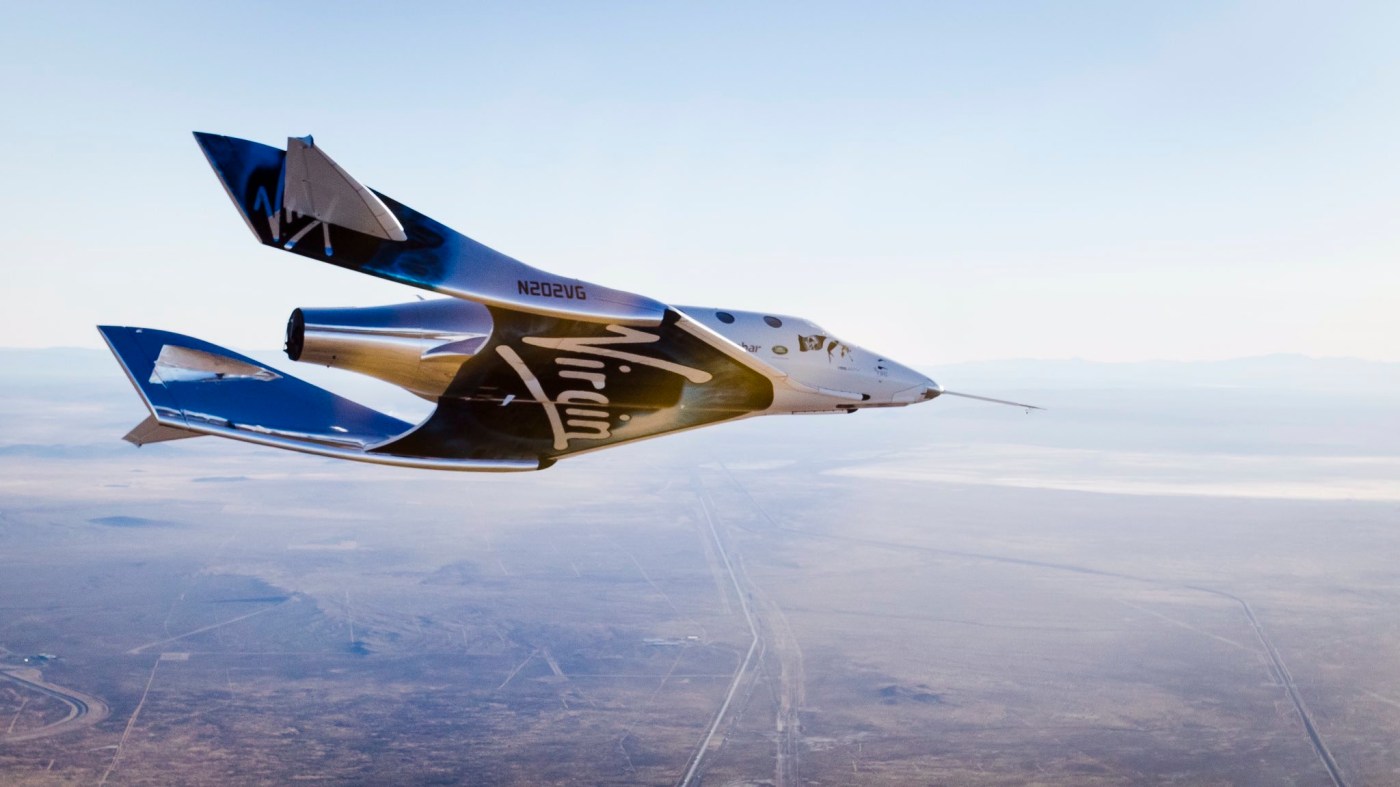
In the world of aerospace and commercial space travel, Virgin Galactic has long been a symbol of human ambition and the quest to conquer the final frontier. Founded with the vision of making space accessible to private individuals, Virgin Galactic aimed to open the heavens to everyone, not just astronauts. However, recent financial assessments paint a starkly different picture. The company is hemorrhaging money at an alarming rate, with financial reserves dwindling and market value eroding swiftly. This dire financial trajectory has raised legitimate concerns about its viability and future. In this article, we explore the roots of Virgin Galactic’s financial troubles and discuss potential strategies that could either save the company from impending bankruptcy or reshape its business post-crisis.
The Issue with the Company
Virgin Galactic, a pioneer in commercial spaceflight, faces critical financial challenges as it continues to incur significant losses amounting to millions of dollars annually. The rapid depletion of its financial reserves threatens its operational sustainability and corporate viability. The company’s market value has eroded swiftly, casting doubts on its future and diminishing investor confidence.
The current business model and operational strategy of Virgin Galactic have led to unsustainable financial losses. Without a robust turnaround strategy or a significant restructuring, the company’s future is in jeopardy. The pressing issue is to identify and implement strategic interventions that can either revive the company’s fortunes before potential bankruptcy or restructure post-bankruptcy to regain financial stability and market position.
How To Provide Real Value
Creating an extraordinary experience for Virgin Galactic’s customers, who are paying up to $1 million for a spaceflight, involves going above and beyond the basic offer of experiencing space. Here are some ways Virgin Galactic can enhance their journey, making it truly unforgettable:
- Personalized Pre-Flight Training: Offer customized training experiences that include simulations tailored to the individual’s interests and fitness level. This could also involve a personal astronaut trainer who helps prepare them mentally and physically for the journey.
- Luxury Accommodations: Provide state-of-the-art accommodation during the training period. This could include high-end, comfortable living quarters with amenities such as a spa, gourmet dining, and 24/7 personal service to ensure maximum comfort before and after the flight.
- Customized In-Flight Experience: Allow passengers to personalize their in-flight experience with options like controlling window views, choosing a playlist for the journey, or selecting from a variety of entertainment and educational content about space and the journey.
- Exclusive Capsule Features: Design the space capsule with luxurious seating, customizable lighting, and panoramic windows for the best views of Earth and space. The inclusion of external cameras can allow passengers to control and view real-time space footage from different angles.
- Post-Flight Celebration: Arrange a glamorous post-flight celebration with celebrities, astronauts, or scientists as guests. This could include a fine dining experience with a menu prepared by renowned chefs and opportunities for networking with other elite passengers.
- Astronaut Status Privileges: Grant customers the status of ‘Commercial Astronaut’, providing them with exclusive club memberships, future flight discounts, and access to special events and talks about space exploration.
- Memorabilia and Media Package: Provide a high-quality, personalized package of the flight, including professionally edited video and photos, a beautifully crafted flight log and spaceflight certificate, and perhaps a piece of the spacecraft as a keepsake.
- Environmental Contribution: Align the space tourism experience with environmental responsibility by showing how the flight contributes to space science and Earth’s environmental protection, perhaps by supporting or initiating a sustainability project.
- Lifetime Community Membership: Create an exclusive community for passengers who have flown, which might offer annual retreats, private talks with astronauts and cosmonauts, and previews of upcoming space missions and technologies.
- Augmented Reality Experiences: Enhance the training and flight experience with AR to make educational aspects more interactive, such as overlaying spacecraft trajectory, satellite paths, and points of interest on Earth as seen from space.
By implementing these enhancements, Virgin Galactic can ensure that its service offers not just a trip to space but a comprehensive luxury adventure that is unmatched in the travel industry.

Potential Avenues for Restart
To develop a comprehensive recovery and restructuring plan that addresses the immediate financial drain and sets a sustainable path forward. This plan should aim to leverage existing assets, explore new revenue streams, and possibly rebrand the company to align with more profitable and realistic market opportunities.
- Diversification of Revenue Streams: Beyond ticket sales for spaceflights, explore alternative revenue sources such as satellite launches, space research missions, and educational partnerships that can provide more consistent income.
- Strategic Partnerships and Sponsorships: Form alliances with other aerospace firms, technology companies, and educational institutions to spread financial risks and gain additional capital inflow through sponsorships and joint ventures.
- Cost Optimization: Review and streamline operations to reduce overhead costs. This could involve renegotiating contracts, optimizing supply chains, and reducing non-essential expenditures.
- Rebranding and Market Repositioning: Shift the company’s public image from purely luxury space travel to a more inclusive model that might include space-based research and educational projects, potentially opening new funding avenues like government grants and educational subsidies.
- Innovation in Space Technology: Invest in research and development to pioneer affordable and scalable space travel solutions that could open the market to a broader audience, thereby increasing the customer base.
- Financial Restructuring: Consider financial strategies such as restructuring debt, seeking protective bankruptcy to manage liabilities, or issuing new stock to raise capital.
- Enhanced Marketing Strategies: Revamp marketing strategies to highlight the unique experiences offered, the safety records, and the pioneering aspects of the spaceflights to attract new customers and regain trust in the market.
Conclusion
The financial woes of Virgin Galactic highlight the need for a robust strategic overhaul. By exploring these potential avenues, Virgin Galactic can aim to stabilize and eventually expand its operations, ensuring its position as a leader in the nascent industry of commercial space travel. Virgin Galactic’s journey from a beacon of space tourism innovation to a firm on the brink of financial collapse serves as a cautionary tale in the high-stakes world of commercial spaceflight. The company’s current predicament underscores the volatile nature of pioneering industries where high costs and uncertain returns pose substantial risks. To navigate out of its fiscal abyss, Virgin Galactic will need to implement a combination of strategic pivots—ranging from operational streamlining and market repositioning to exploring new partnerships and revenue models. Whether these changes can be implemented in time to save the company remains to be seen. However, one thing is clear: the path Virgin Galactic chooses to follow will not only determine its own fate but also set precedents for the future of commercial space travel. As the company stands at this crossroads, the broader implications for the industry and for space enthusiasts around the world continue to unfold.
 Notes Beyond the Map
Leave a comment