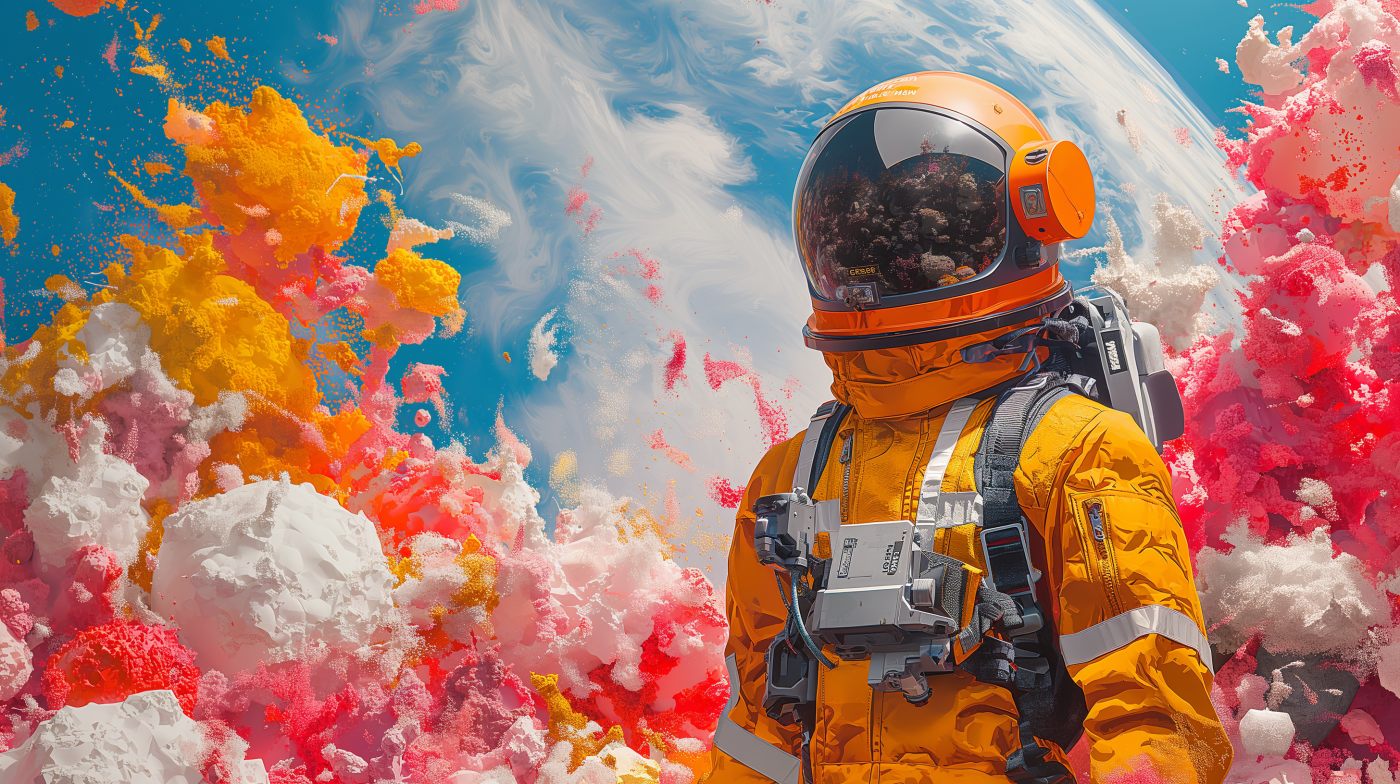
In the ever-accelerating world of the 2020s, culture as we know it has undergone a dramatic transformation, giving rise to what can only be described as “hyper culture.” Driven by the relentless march of digital technology, the omnipresence of social media, and the forces of globalization, hyper culture represents a new era of rapid and constant evolution in cultural norms, trends, and practices. In this dynamic landscape, where information flows instantaneously across borders and screens, the way we experience, consume, and contribute to culture is fundamentally different from any previous era. This article delves into the essence of hyper culture, exploring its defining characteristics, the role of digital platforms, and its impact on our collective social fabric.
What is Hyper Culture?
Hyper culture in the 2020s refers to the rapid and constant evolution of cultural trends, norms, and practices driven by the pervasive influence of digital technology, social media, and globalization. Key characteristics include:
- Rapid Change: Cultural trends and memes spread and evolve quickly, often going viral overnight and being replaced just as swiftly.
- Global Influence: The interconnectedness of the world through the internet allows for a blending and cross-pollination of cultural elements from different regions, leading to a more homogenized global culture while still celebrating diverse local identities.
- Digitalization: Much of hyper culture is experienced and propagated through digital platforms, from social media to streaming services, influencing fashion, music, language, and social behaviors.
- Attention Economy: The constant barrage of information and the competition for attention has led to shorter attention spans and a preference for bite-sized, easily digestible content.
- Identity and Expression: There is an emphasis on individualism and personal expression, with people using digital platforms to curate and project their identities, often resulting in a blend of real and virtual personas.
- Memetic Communication: Memes and viral content are central to communication, serving as a shared language that transcends traditional linguistic barriers.
- Adaptability: Hyper culture is characterized by its fluidity, with individuals and communities quickly adapting to new trends and discarding outdated ones.
- Influencer Culture: Influencers play a significant role in shaping hyper culture, as their reach and impact on social media platforms can quickly elevate trends and products to global prominence.
Overall, hyper culture in the 2020s is defined by its speed, connectivity, and the significant role of digital platforms in shaping and disseminating cultural practices and trends.
Conclusion
As we navigate the whirlwind of the 2020s, hyper culture stands as a testament to the profound influence of digital technology and globalization on our daily lives. It is a culture marked by rapid change, global interconnectedness, and the digitalization of nearly every aspect of human interaction. In this hyper-connected world, cultural trends emerge and fade at lightning speed, and the lines between local and global, real and virtual, become increasingly blurred. Understanding hyper culture is crucial for anyone seeking to grasp the nuances of contemporary society and the forces that shape our collective identities. As we look to the future, one thing is certain: hyper culture will continue to evolve, challenging us to adapt and redefine what it means to be part of a global community.
 Notes Beyond the Map
Leave a comment