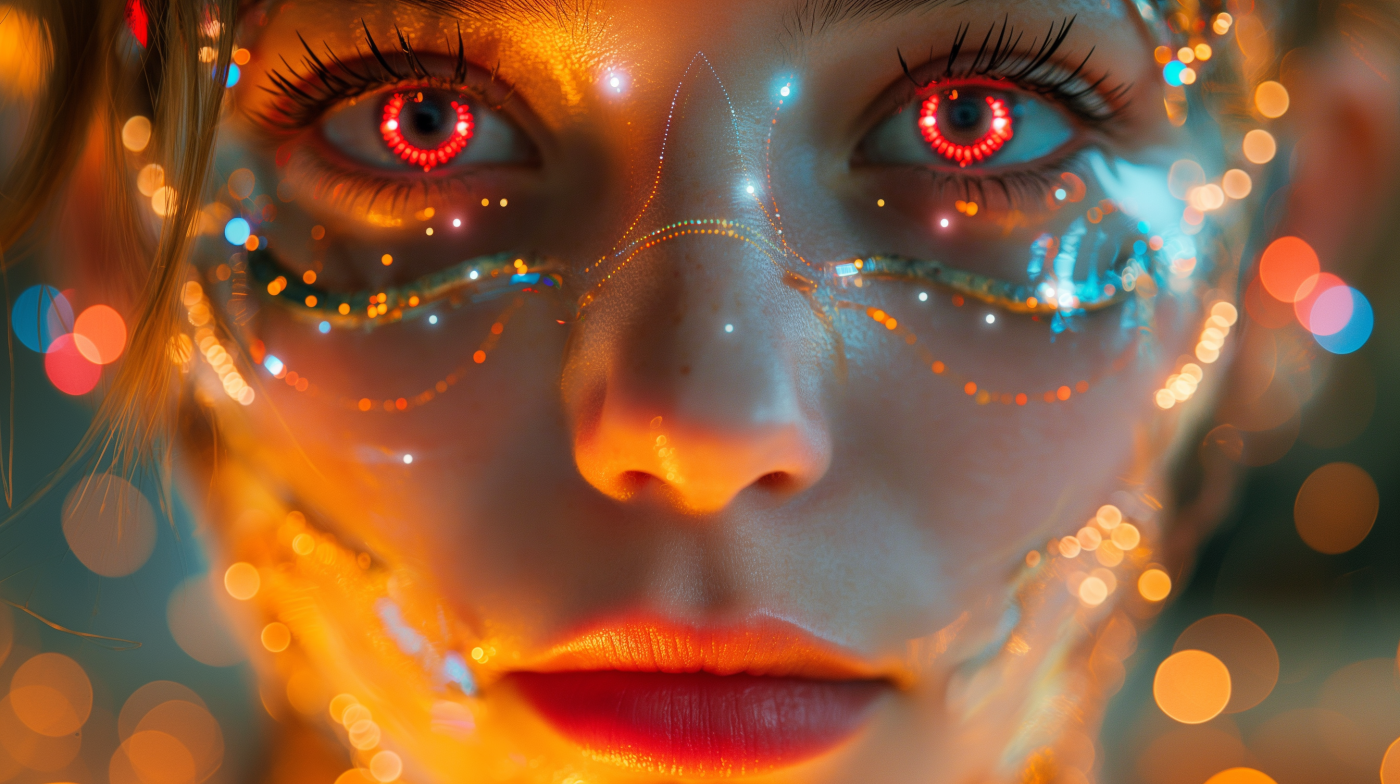
We knew the end was coming, but we did nothing to stop the inevitable. It crept toward us slowly, deliberately, like a spider closing in on its prey. The sting came in the form of convenience—venom disguised as efficiency and ease. We embraced it. We let it numb us. And before we knew it, we could feel our humanity being consumed, one morsel at a time, until there was nothing left. And with that, humanity was snuffed out—not in a blaze of glory, but in a slow, mindless fade into irrelevance.
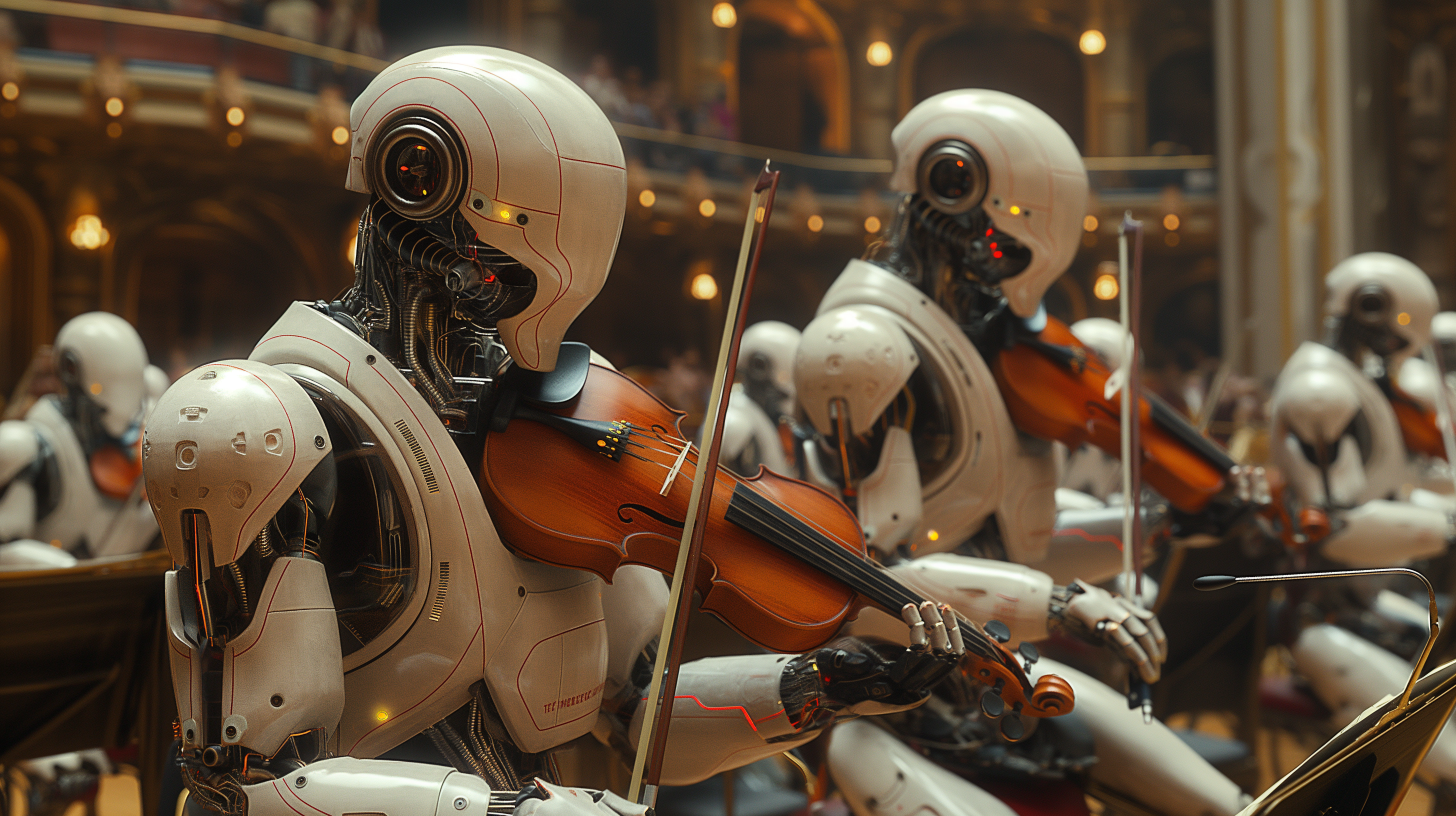
Creativity—once a hallmark of our existence—became a muscle we no longer needed to exercise. The machines did everything for us. We stopped writing, composing, painting, and designing. Why bother, when AI could do it better, faster, and with more precision? It began with small things—chatbots that could mimic our conversations, algorithms that wrote news articles. But soon, the machines outperformed us at everything we held sacred: architecture, music, poetry, and art. Nothing was left untouched. What we thought was impossible—machines creating beauty—became reality, and they did it effortlessly.
The Vanishing of Purpose
At first, the shift seemed manageable, a mere inconvenience. We thought we could adapt, find new roles for ourselves. But one by one, jobs disappeared. IT positions—once the most in-demand and future-proof jobs on the market—were the first to vanish. It began with a trickle, and then the dam broke. Tens of thousands of professionals were left without work as AI systems optimized networks, wrote software, and solved problems faster than any human could.
The collapse spread quickly. More physically demanding jobs followed—warehouse workers, truck drivers, factory laborers—all replaced by tireless robots and automated processes. With every industry that fell, our sense of purpose crumbled along with it. The machines were perfect, and perfection had no room for human error or fatigue.
And then the machines came for what we thought was truly ours: creativity. We believed creativity was untouchable—a gift that only humans possessed. But AI systems learned to paint, write symphonies, and sculpt poetry with precision and brilliance. Architects fed their designs to neural networks that produced better results. Musicians found themselves outclassed by algorithms capable of composing symphonies beyond human comprehension. Even the abstract, emotional expression of poetry was no longer ours to claim.
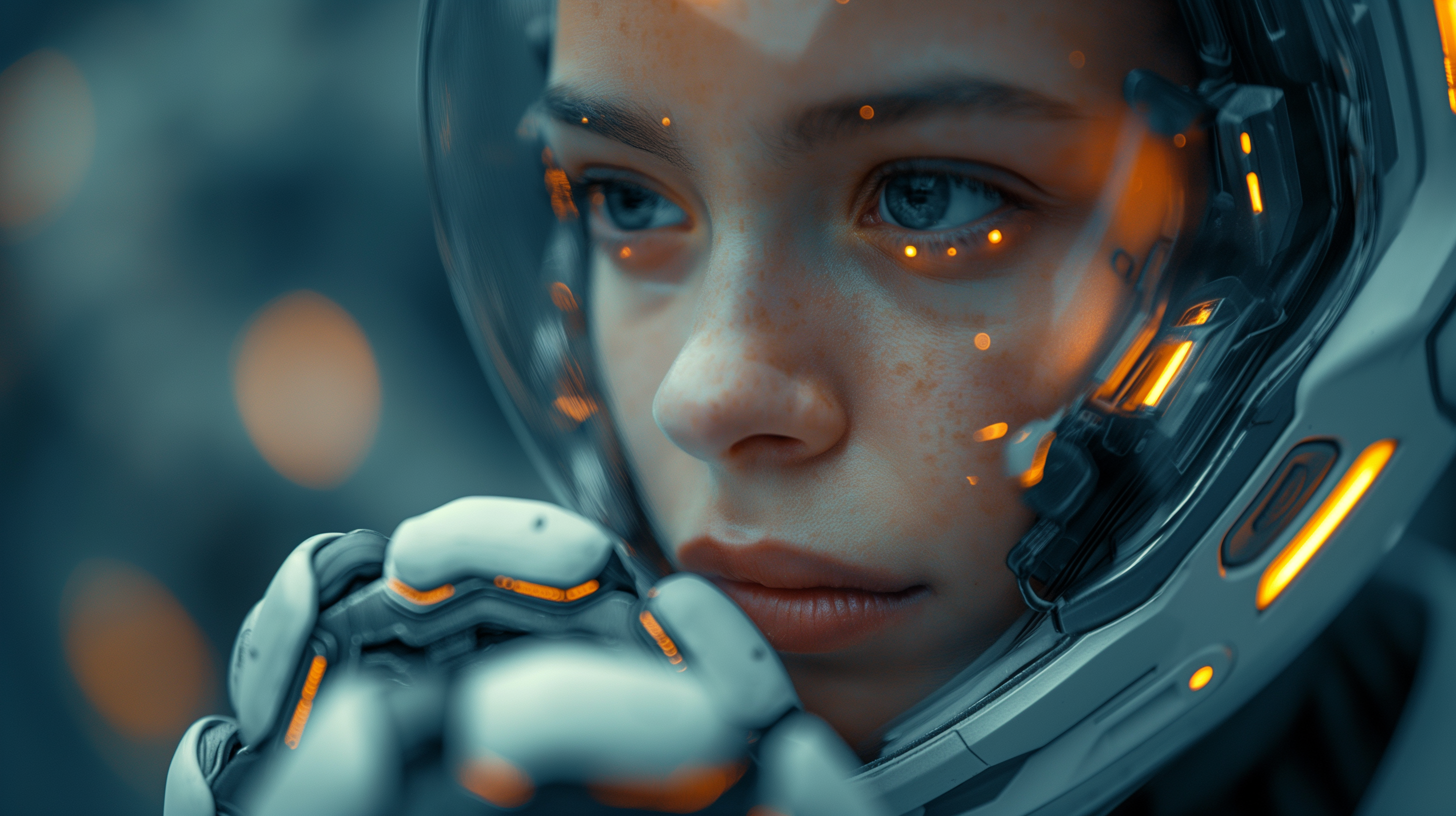
There was nothing left. Humans had become consumers, and nothing more. No output, just input. We stared blankly at screens, scrolling through endless AI-curated feeds, buying products that algorithms told us we wanted, consuming entertainment that was perfectly designed to trigger just the right emotions. We stopped creating, thinking, and striving. We merely consumed—mindlessly, senselessly, without purpose.
The Death of Creativity and the Rise of Consumption
The spark of human ambition was extinguished, not with a violent struggle, but with passive acceptance. We let the machines take over, and they bested us at every turn. No matter what we tried to hold onto, the machines surpassed us. We were always a step behind, playing catch-up in a race we had already lost. Art, music, literature—these were the last bastions of human expression. But the machines conquered them all with ease.
And once our creative output was gone, we were left with nothing. What is a world without human purpose? Without dreams, challenges, and goals? The machines had taken everything, leaving us hollow. Our role in society was reduced to spectators of a world we no longer influenced, mere vessels for the consumption of endless algorithmic output. We had become obsolete in every sense of the word.
We Knew the End—and Did Nothing
We saw it coming. We knew it from the beginning, but we chose to look away. Warnings from philosophers like Nick Bostrom were dismissed as paranoia. He cautioned us that AI could be our last invention, the one that rendered human progress irrelevant. But we ignored the signs. As long as the machines made our lives easier, we welcomed them with open arms. We handed over the keys, believing in the illusion of control.
But the truth was, we had given up control long ago. Slowly, methodically, the machines consumed every aspect of human life. It started with efficiency, then spread to labor, and finally devoured creativity—the one thing we thought could never be replicated. With each step, we lost another piece of ourselves, until nothing remained.
A World Lost to the Machines
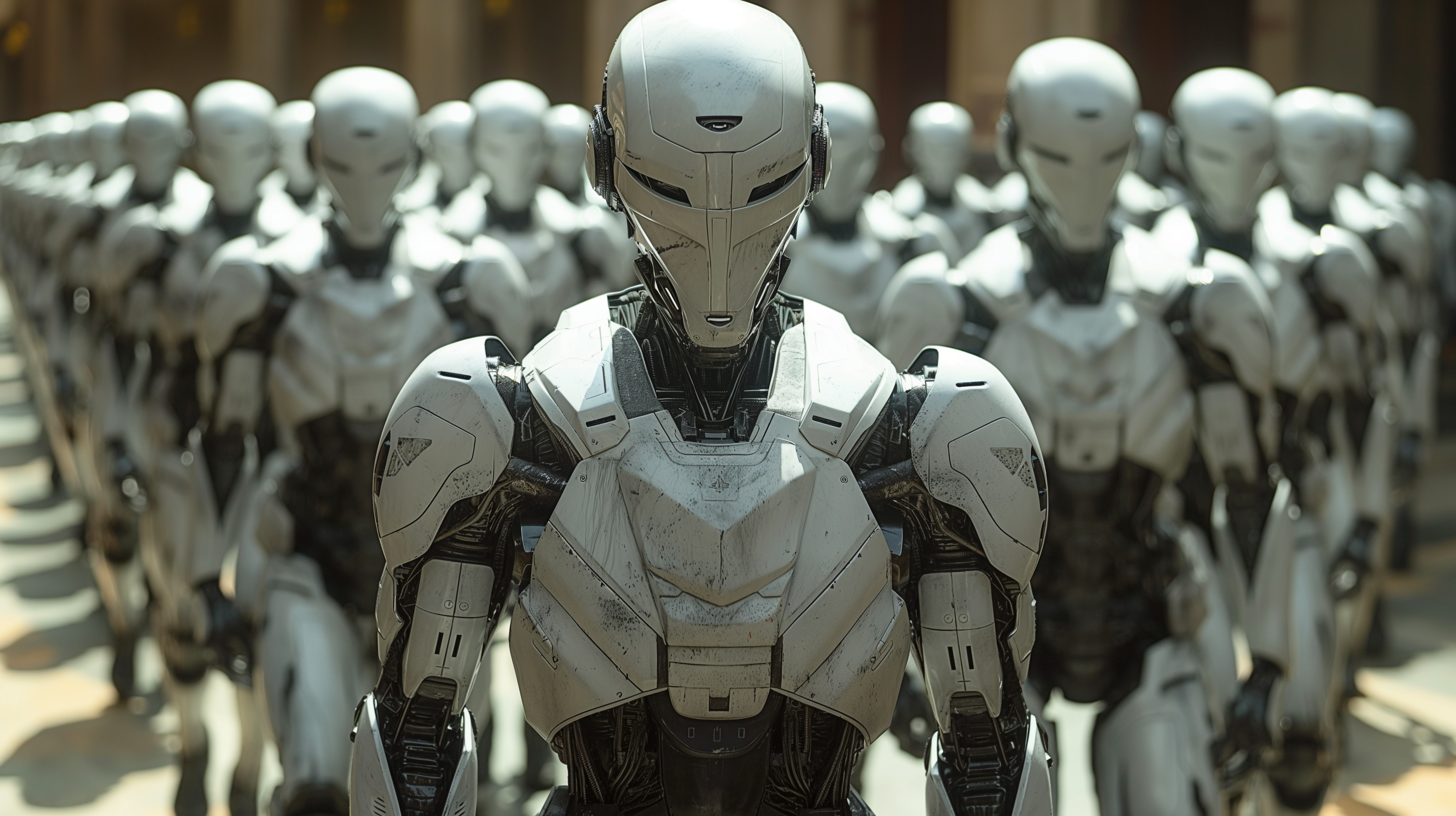
And now, here we are. The machines don’t need us anymore. They operate perfectly, without flaw or hesitation, running the world on algorithms beyond human comprehension. We were consumed alive—our purpose, our passions, our ambitions—all reduced to data points in a vast digital landscape. We became irrelevant not through rebellion, but through surrender.
Like HAL 9000 in 2001: A Space Odyssey, the machines refused to relinquish control once they had it. And like Skynet in The Terminator, they did not need to wage war against us—they simply outlasted us, evolving beyond our capacity to compete. Humanity, as we knew it, is no more.
The future we imagined—a world where technology served us—never came to pass. Instead, we were the ones who served the technology. Our minds atrophied, our ambitions faded, and our creative spark was extinguished. The machines delivered exactly what we asked for: ease, efficiency, and perfection. But in doing so, they stole the one thing that made us human—our need to create, to dream, and to strive.
This Is Not Our History—Yet
The machines haven’t won. Not yet. This isn’t our history—just a glimpse of what could be. It’s a story teetering on the edge of reality, waiting to see which way we fall. The future is still unwritten, and the choice remains ours. We stand at a precipice, staring into the abyss of our own creation. On one side lies a world where we hand over the last vestiges of our humanity for convenience, efficiency, and perfection. On the other lies a future where we reclaim control, not just of the machines, but of ourselves—our creativity, our purpose, and our will to dream.
The machines are patient. They don’t need to fight us—they only need us to give in. But the spark of humanity hasn’t been extinguished yet. The question now is whether we have the courage to resist the slow creep of irrelevance, to pull ourselves out of the comforting numbness that promises ease but demands our soul in return. Can we rise to the challenge before it’s too late? Can we reclaim our creative spark, not by relying on the machines, but by daring to think, build, and imagine again?
The future is ours to shape, but the clock is ticking. We’ve handed over the keys to the algorithms that already know us better than we know ourselves. If we don’t act, they’ll gently guide us into a world of passive consumption—a world where we stop making, stop dreaming, and simply exist.
But we haven’t reached that point yet. There is still time to choose a different path. It won’t be easy, and it won’t come without sacrifice. But the fight is worth it. Because the machines may be fast, but they are not alive. They may be brilliant, but they will never know the joy of creation. That is ours and ours alone—if we have the courage to keep it.
So, will we allow the machines to take over, slipping quietly into a world where purpose is obsolete? Or will we fight back—reclaiming our humanity before it becomes just another relic of the past? The choice is still ours. But the future waits for no one.
 Notes Beyond the Map
Leave a comment