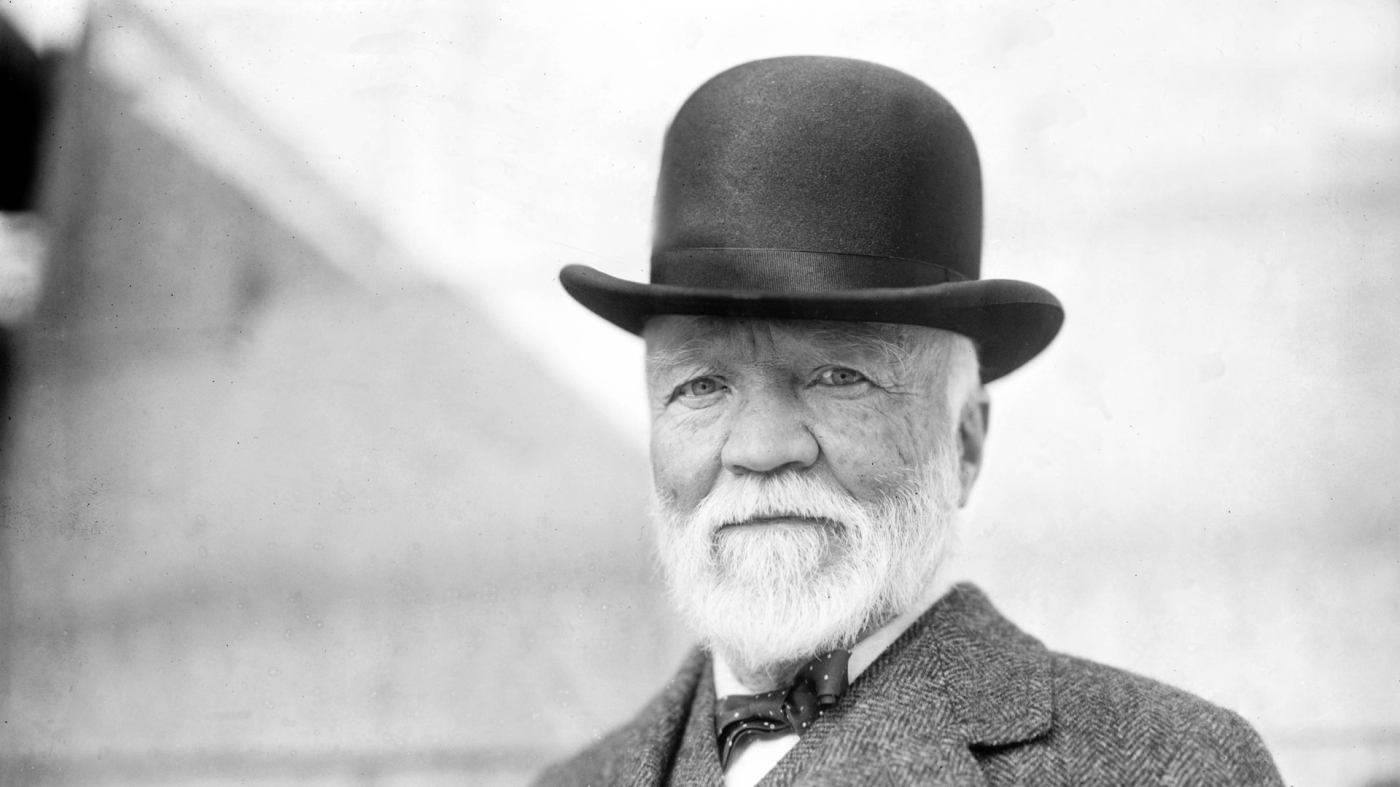
The lives of four extraordinary men—Andrew Carnegie, John D. Rockefeller, Warren Buffett, and Elon Musk—are filled with lessons that extend beyond wealth alone. These men didn’t merely accumulate fortunes; they built empires that transformed entire industries. Carnegie’s steel empire laid the foundation of modern America, Rockefeller’s Standard Oil shaped the global oil industry, Buffett mastered the art of patient, long-term investing, and Musk pushed the boundaries of electric vehicles and space exploration. Their stories reveal insights into the principles behind lasting success, yet each of them also encountered moments of luck that helped shape their journeys.
These men held such conviction in their vision that they often operated as though traditional rules didn’t apply to them. They understood that true success favors the bold—and that sometimes, wealth requires a willingness to embrace the unexpected. Their lives reveal five core principles that extend beyond financial gain to offer a roadmap for building a life filled with purpose, resilience, and lasting impact.
1. Live Below Your Means with Purpose
Despite their fortunes, Carnegie, Rockefeller and Buffett were all known for their modest lifestyles. Carnegie was deliberate with his investments, Rockefeller meticulously tracked every penny, and Buffett still lives in the same house he bought in the 1950s. For them, wealth was a tool, not a trophy. Living below their means allowed them to focus on building something that mattered without becoming beholden to luxury.
This approach shows us that wealth isn’t about excess; it’s about freedom. By living simply, we gain control over our finances, enabling us to focus on our values rather than the distractions of status. This foundation of modesty helps build resilience, allowing us to weather setbacks while staying aligned with our goals. The lesson is clear: respect money, live intentionally, and focus on what truly matters. These men understood that true wealth comes not from having more, but from needing less.
2. Trust in Patience and the Power of Compounding
Warren Buffett’s life is a testament to patience and the quiet power of compounding. His wealth didn’t come from quick wins; it grew over decades of steady investing and consistent reinvestment. Nearly all of Buffett’s fortune was earned after his 60th birthday, a result of his unwavering commitment to a long-term strategy. Compounding, like all great things, requires patience and a trust in time.
This principle of compounding extends beyond finances; it’s a life philosophy. In both personal and professional growth, small, steady actions add up to create remarkable outcomes over time. Compounding teaches us that success is a marathon, not a sprint, and that life’s greatest results often come from quiet, consistent progress. Buffett shows us that real wealth is built by trusting in time and the power of patience, enduring through bear markets and life’s inevitable setbacks.
3. Take Calculated Risks and Challenge the Rules
Carnegie, Rockefeller and Musk built their empires by challenging conventions and taking calculated risks that others wouldn’t consider. Carnegie risked it all on steel, Rockefeller created an oil empire by redefining the very structure of the industry and Musk bet everything on Tesla and SpaceX. Each of these men believed that the traditional rules didn’t apply to them. They saw potential where others saw limitations, trusting their vision even when it meant stepping outside the boundaries.
They remind us that growth often requires pushing past the familiar. True success sometimes demands defying the rules and betting on the possibilities others might dismiss. However, their risks were calculated, not reckless—they respected both the challenge and the responsibility of those decisions. They teach us that in both wealth and life, extraordinary results often come to those who respect risk, trust in their vision, and are willing to make bold choices. Fortune, as they showed, often favors those who dare to step beyond the boundaries.
4. Recognize the Role of Luck and Be Ready for Opportunity
Despite their brilliance and resilience, each of these men had moments of pure luck that played a part in their success. Carnegie was in the steel business when the railroads boomed, Rockefeller entered the oil industry when the world was becoming increasingly reliant on oil, and Buffett came into investing during a period of exceptional market growth. While skill and effort were at the core of their achievements, they were also able to capitalize on lucky circumstances.
Their stories remind us that luck is often a part of any success story. But it’s not just about being lucky; it’s about being ready when opportunity strikes. Each of these men had the wisdom and preparation to seize opportunities that came their way, turning good fortune into lasting wealth. While we can’t control luck, we can control our readiness to act. Wealth-building requires both skill and timing, and luck, when it appears, rewards those who are prepared.
5. Build a Legacy Beyond Wealth
Carnegie and Rockefeller each saw wealth not as an end, but as a means to create a lasting impact. Carnegie built libraries and universities and Rockefeller established foundations in health and education. They each viewed wealth with respect, knowing that its highest purpose lay in making a difference for others.
Building a legacy doesn’t require billions; it requires purpose and generosity. A legacy is built by using whatever resources we have—our time, talents, and finances—to create something meaningful. These men understood that true wealth goes beyond personal gain; it’s about leaving a positive impact on the world. They remind us that wealth, when respected and shared, can become a powerful force for good, creating a legacy that lives on long after us.
Conclusion
The lives of Carnegie, Rockefeller, Buffett, and Musk illustrate that wealth is about more than just money. Though far from perfect, each approached wealth with a deep sense of purpose, discipline, and respect for what it could achieve. They operated with the belief that conventional rules didn’t always apply, but they also recognized the role of timing and luck in their success.
The principles they embodied—living below one’s means, practicing patience, embracing calculated risks, being prepared for opportunity, and focusing on legacy—are more than just strategies for wealth-building. They are foundations for a meaningful life. These men demonstrated that true wealth is not simply what we accumulate; it’s what we create, how we use it to make a difference, and the legacy we leave behind. Real wealth honors both the journey and the destination, valuing each opportunity—both earned and unforeseen—that shapes it.

 Notes Beyond the Map
Leave a comment