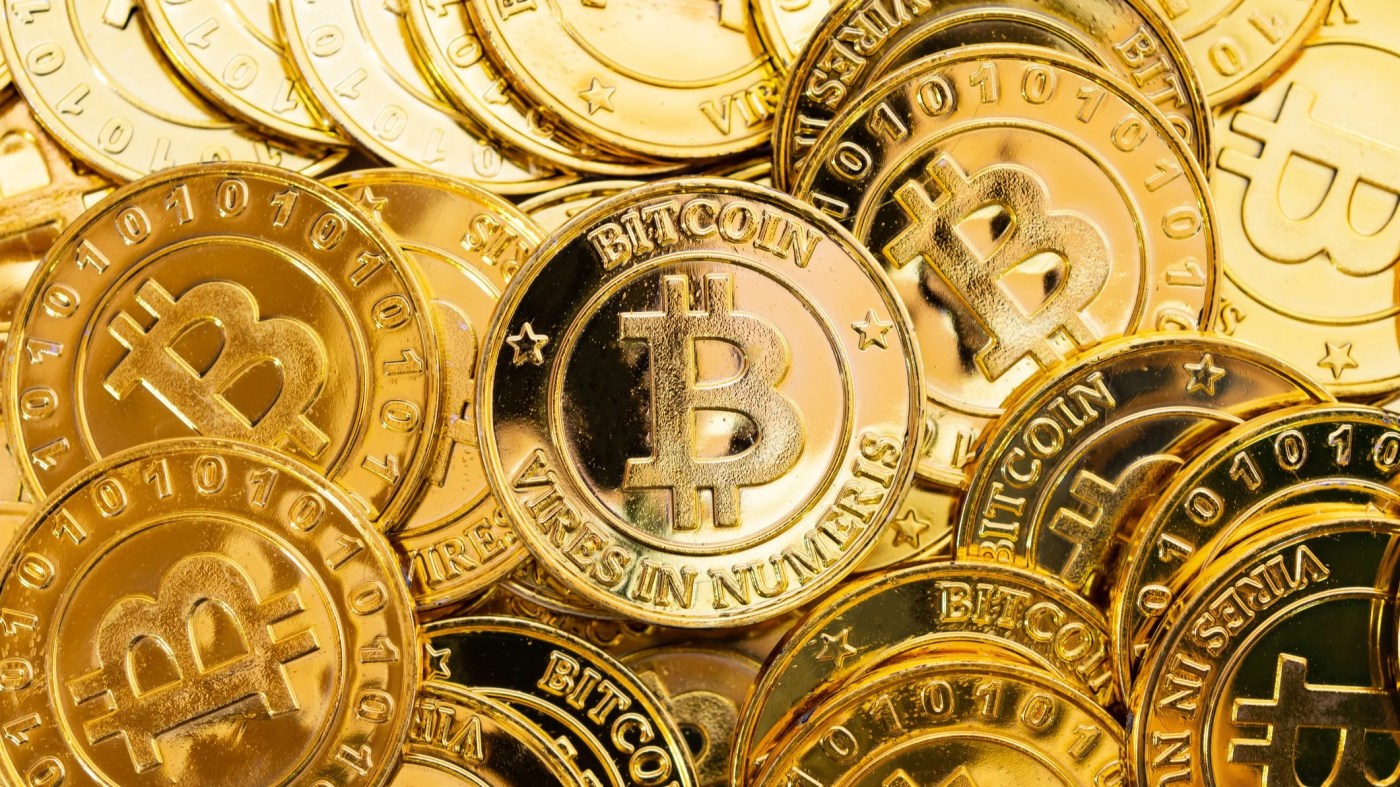
History teaches us that those who embrace transformative technologies early are the ones who thrive. From the industrial revolution to the dawn of the internet, every seismic shift in technology has rewarded the bold and punished the hesitant. Bitcoin is the latest chapter in this story—a digital revolution that is reshaping the global economy and redefining how we store and transfer wealth. Like Artificial Intelligence (AI), which is rapidly transforming industries and society, Bitcoin is on the cusp of becoming a dominant force in our financial future. Those who fail to recognize its potential risk being left behind in a world that values agility and foresight.
I’ve watched Bitcoin’s meteoric rise with a mix of fascination and regret. I first saw it climb from $40 to $400 and hesitated, unsure whether to take the leap. Over the next decade, it surged from $1,000 to $20,000, and now it’s knocking on the door of $100,000. Just five years ago, these milestones seemed absurd—laughable even. Yet here we are. Over the past few years, I’ve invested heavily in companies like Galaxy Digital and Bitcoin mining firms such as Hut 8. While these investments have been rewarding, they pale in comparison to the gains of those who bought even a single Bitcoin years ago and held onto it through its ups and downs.
Those early adopters are now millionaires, some many times over. As Michael Saylor, CEO of MicroStrategy and one of Bitcoin’s most vocal advocates, has famously said: “If Bitcoin’s not going to zero, it’s going to a million.” Saylor has backed his words with action, leading MicroStrategy to acquire over 150,000 Bitcoins and positioning it as a pioneer in the Bitcoin economy. He views Bitcoin not just as a financial asset but as a revolutionary force that will transform capital itself. “99.9% of the capital in the world is tied up in real estate, stocks, precious metals, and bonds. We’re only 0.1% transformed,” Saylor explains. “As people get educated on digital assets, they’re realizing they need to allocate more and more of their capital to this digital asset.”
Why Bitcoin Is Unlike Anything Before
Bitcoin stands apart from every financial system that preceded it. It is the first truly decentralized currency, immune to government manipulation and inflationary pressures. Its capped supply of 21 million coins is hardcoded into its design, ensuring scarcity. Unlike fiat currencies, which can be printed endlessly, Bitcoin’s fixed supply makes it a hedge against the devaluation of traditional money.
This scarcity, combined with its security and borderless nature, has driven Bitcoin’s rise from obscurity to becoming one of the most discussed and valuable assets in the world. Early adopters saw its potential, investing when others dismissed it as a fringe experiment. Today, those skeptics have been proven wrong. Bitcoin’s evolution from a niche curiosity to a global financial phenomenon is nothing short of extraordinary.
A Catalyst for Change: Trump’s Role in the Movement
Bitcoin’s rise is part of a broader movement reshaping the global economy. Donald Trump, known for challenging the status quo, has become an unexpected catalyst in this transformation. His willingness to question traditional systems resonates with Bitcoin advocates who see the digital currency as a way to escape centralized financial control.
Trump’s recognition of Bitcoin’s potential adds significant momentum to its adoption. With U.S. debt now exceeding $35 trillion, bold proposals have emerged to use Bitcoin as a tool to stabilize the economy. Advocates argue that Bitcoin’s finite supply and deflationary nature make it uniquely suited for addressing fiscal challenges.
If these proposals gain traction, Bitcoin’s value could skyrocket, with some estimates projecting it could reach $1 million per coin. Trump’s role as a disruptor amplifies these discussions, helping push Bitcoin into mainstream financial debates. His influence highlights Bitcoin’s growing legitimacy as a cornerstone of the future economy, making its adoption seem less like a radical idea and more like an inevitable step forward.
The Parallels to Historical Transformations
The rise of Bitcoin mirrors the revolutionary shifts of the past. Consider the dawn of the internet in the 1990s. Businesses like Amazon and eBay embraced the digital age early, while others like Blockbuster clung to outdated models and ultimately failed. Kodak invented digital photography but resisted its adoption, fearing it would cannibalize its film business. The result? Bankruptcy.
Bitcoin is at the same critical juncture. It’s no longer a question of whether Bitcoin will disrupt traditional financial systems—it’s already happening. The only question is who will adapt and who will be left behind. Just as companies that ignored the internet became relics of the past, those who dismiss Bitcoin today risk a similar fate.
Why Bitcoin Matters Now More Than Ever
Bitcoin has transcended its origins as a speculative asset. It is now a critical component of the global financial system. Its fixed supply, decentralized nature, and resistance to inflation make it a unique store of value in a world where fiat currencies are increasingly unstable. Central banks continue to print money at unprecedented rates, eroding the purchasing power of traditional currencies. Bitcoin offers an alternative—a digital form of gold that cannot be manipulated or devalued.
As adoption accelerates, Bitcoin is becoming more than a financial asset; it is a technological revolution reshaping how wealth is stored, transferred, and utilized. With institutional investors, corporations, and even governments recognizing its potential, the window for early adoption is closing. Those who act now will position themselves to benefit from the wealth transformation that Bitcoin is driving.
The Roadmap for Businesses and Individuals
Adapting to Bitcoin doesn’t require a leap of faith—it demands strategic, intentional steps. Whether you’re a business leader managing corporate finances or an individual planning for the future, the path to Bitcoin adoption starts with understanding its value and acting decisively.
- Educate Yourself: Learn how Bitcoin works, why it’s valuable, and how it fits into the broader financial landscape.
- Start Small: Allocate a small portion of your portfolio to Bitcoin as a hedge against traditional investments.
- Think Long-Term: Bitcoin’s short-term volatility is undeniable, but its long-term trajectory has consistently shown resilience and growth.
- Leverage AI Tools: Use AI-powered platforms to analyze trends, manage investments, and optimize your strategy.
Bitcoin’s growth trajectory has been extraordinary, but the time to act is now. The earlier you position yourself, the greater the potential rewards.
Adapt or Die: Bitcoin Is the Future of Finance
Bitcoin’s journey from a penny in May 2010 to nearly $100,000 a little over 14 years later is a testament to the power of innovation and belief in the future. Those who acted early and stayed the course are now enjoying the rewards, while those who hesitated are left wondering what could have been.
Like AI, Bitcoin is not just a trend—it is a revolution. Together, these forces are shaping the future of our economy and society. The choice is simple: adapt and embrace this digital transformation, or watch history repeat itself as others seize the opportunities you let slip away.
The future doesn’t wait. Bitcoin is here to stay. Will you be part of the revolution, or will you be left behind?
 Notes Beyond the Map
Leave a comment