
The future of space exploration is no longer a distant dream; it’s a burgeoning reality. Humanity stands on the brink of an unprecedented era, where ventures like asteroid mining could mint the world’s first trillionaire—possibly Elon Musk himself. Space Exploration Technologies Corp., better known as SpaceX, is at the forefront of this revolution. Headquartered at the SpaceX Starbase near Brownsville, Texas, this pioneering American space technology company is redefining what is possible in space exploration and commercialization. Since its founding in 2002, this company has achieved groundbreaking advancements in rocket propulsion, reusable launch vehicles, human spaceflight, and satellite constellation technology. SpaceX is a company like no other.
By the late 2010s, SpaceX had emerged as the world’s dominant space launch provider, its launch cadence rivaling that of the Chinese space program while surpassing all private competitors. Through close collaborations with NASA and the United States Armed Forces via governmental contracts, SpaceX has established itself as an indispensable player in the modern space economy. Alongside other visionaries like Rocket Lab, Blue Origin, and Virgin Galactic, SpaceX is opening the doors to a new frontier, one that promises to reshape life as we know it. From revolutionizing global communication through satellite internet and laying the groundwork for bases on the Moon and Mars to pioneering zero-gravity manufacturing and eventually mining asteroids rich with rare metals, these ventures are poised to transform our world in ways once thought impossible. SpaceX isn’t just looking at the stars—it’s paving the road to reach them.
But SpaceX’s ambitions go far beyond technological breakthroughs. The company envisions a future where space travel is not the exclusive domain of governments or the ultra-wealthy but a destination accessible to humanity at large. While it may currently cater to a privileged few, the trajectory of innovation suggests that space travel could one day become as commonplace as air travel. The road ahead is long and complex, but with SpaceX at the helm, the journey promises to be nothing short of extraordinary. At its core, SpaceX’s mission is to democratize space—and for that, we can thank the driving force of capitalism, which has made this vision possible.
Starlink: Connecting Billions and Generating Billions
Starlink, SpaceX’s ambitious satellite internet constellation, is looking like it will be a game-changer for humanity. Through deployment of thousands of low-Earth orbit satellites, Starlink aims to deliver high-speed internet to the remotest corners of the globe. Today, billions of people lack reliable internet access—Starlink has the potential to bridge this divide. From rural villages in Africa to remote islands in the Pacific, this project could empower communities with access to information, education, and global commerce.
Today, billions of people lack reliable internet access—Starlink has the potential to bridge this divide.
The financial potential is staggering. With millions already subscribing to Starlink, its revenue is projected to grow exponentially in the coming years, potentially reaching tens of billions annually. This alone could make Starlink one of the most profitable ventures in modern history. But it doesn’t stop there. With Starlink as a foundation, SpaceX could integrate additional services, from low-latency data processing to powering IoT (Internet of Things) devices globally. These add-on services could unlock even greater revenue streams while transforming how the world operates.

Other Ventures: The Sky Is Just the Beginning
Beyond Starlink, SpaceX’s other ventures are equally poised to revolutionize industries. One of the most tantalizing prospects is asteroid mining, a venture that could redefine the global economy. Asteroids are rich in rare metals like platinum, gold, and iridium—resources that are scarce on Earth. The value of a single asteroid could surpass the GDP of several nations, making asteroid mining a literal goldmine.
Another transformative venture is zero-gravity manufacturing. Space’s unique environment allows for the creation of materials and products that cannot be produced on Earth, such as perfectly pure fiber optics, advanced semiconductors, and even pharmaceuticals. These innovations could drive advancements in technology, medicine, and industry, creating entirely new markets with untold revenue potential.
Space’s unique environment allows for the creation of materials and products that cannot be produced on Earth, such as perfectly pure fiber optics, advanced semiconductors, and even pharmaceuticals.
Finally, SpaceX’s concept of Earth-to-Earth travel via space could revolutionize long-distance transportation. Imagine flying from New York to Dubai in under an hour. This isn’t a pipe dream but a goal actively pursued by SpaceX through its Starship program. Such a service could disrupt the global transportation industry, capturing market share from airlines while setting a new standard for intercontinental travel.
Divisions and Operations: A Multi-Faceted Approach to the Cosmos
SpaceX is a company of many faces, each addressing a crucial piece of the cosmic puzzle. At its core, the launch services division drives its operational backbone, offering cost-effective satellite deployments and routine resupply missions to the International Space Station (ISS). These missions are not just vital to sustaining global and orbital operations; they also generate consistent revenue streams that fund SpaceX’s larger ambitions. By refining its launch technology with each mission, SpaceX is ensuring that its rockets remain the most reliable and cost-efficient in the market, cementing its role as the world’s premier launch provider.
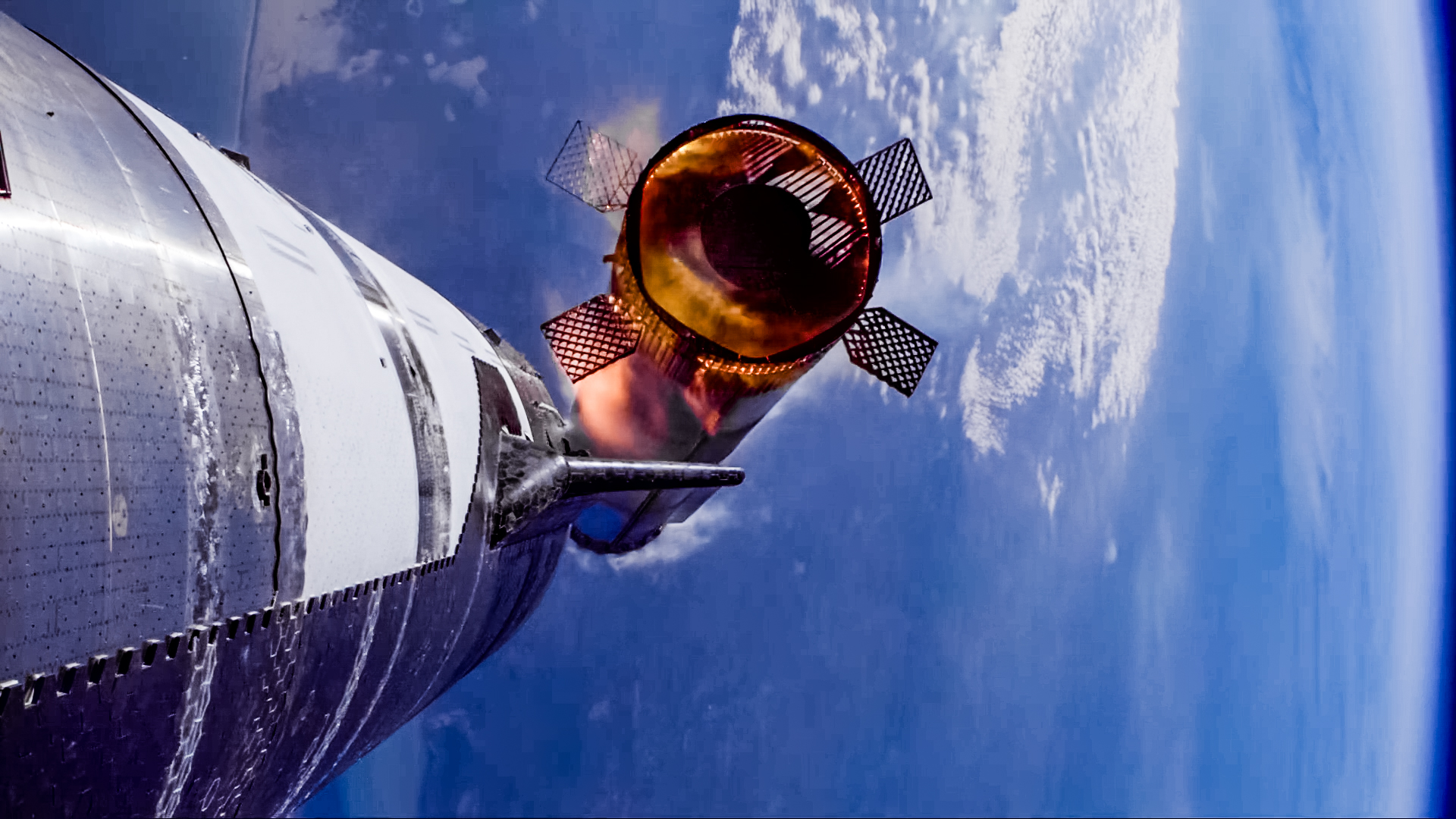
The human spaceflight division takes SpaceX’s mission to the next level, with its Crew Dragon spacecraft and Starship vehicles spearheading humanity’s return to the Moon and beyond. Crew Dragon has already proven itself with successful missions to the ISS, carrying astronauts safely and reliably. But the true game-changer is Starship, a fully reusable rocket designed not only to carry humans but also cargo for interplanetary missions. This program is about far more than lunar landings or Martian colonies—it represents a paradigm shift in how humans interact with space. The capability to transport large payloads and crews opens up possibilities for science, exploration, and even commerce on an unprecedented scale.
But the true game-changer is Starship, a fully reusable rocket designed not only to carry humans but also cargo for interplanetary missions.
The Starship program itself is more than just a spacecraft; it is a platform for humanity’s multiplanetary future. By continually improving the technology behind reusable rockets, SpaceX is driving down the cost of space travel, bringing once-unthinkable projects like asteroid mining and permanent lunar colonies within reach. The infrastructure Starship enables—whether it’s mining precious metals from asteroids, establishing lunar outposts, or transporting settlers to Mars—has the potential to reshape the economy and inspire a new era of human innovation. SpaceX isn’t just connecting Earth to space; it’s laying the foundation for humanity’s next frontier.
Why SpaceX Remains Private: The Freedom to Dream Big
Despite its remarkable achievements, SpaceX remains a privately held company—a deeply intentional decision. Elon Musk has long stated that the company’s audacious goals, such as making life multiplanetary, may not align with the short-term profit demands of public shareholders. Staying private grants SpaceX the flexibility to focus on innovation and long-term vision without the constraints of quarterly earnings or market volatility.
This independence allows the company to reinvest its profits into groundbreaking projects, from perfecting reusable rockets to advancing the Starship for interplanetary travel. For Musk, this isn’t just a business strategy—it’s essential for SpaceX to fulfill its mission of pushing humanity toward the stars.
Now, with Donald Trump back in the White House, Musk’s investment of time and funds into the election has become clearer. The recent camaraderie between these two titans could mean unprecedented support for SpaceX’s endeavors. With Trump’s pro-business stance and Musk’s vision, the stars may no longer be the limit but merely the beginning. For SpaceX, this partnership could pave the way to new heights, ensuring the company has the resources and regulatory backing to bring its ambitious dreams to life.
Conclusion: A Journey Beyond Imagination
The future of SpaceX is as boundless as space itself. This company is not just about rockets—it’s about redefining humanity’s place in the cosmos. With Starlink, billions could soon access high-speed internet, bridging the digital divide and transforming lives in the most remote corners of the planet. SpaceX is setting the stage for unprecedented global connectivity, empowering a world that feels smaller and more united.
But the ambitions don’t stop at Earth’s orbit. The first moonbase, a vision long relegated to science fiction, could soon become reality, laying the foundation for deeper space exploration and unlocking new scientific horizons. And then there’s Mars—the ultimate destination. Elon Musk’s vision of a sustainable colony on the Red Planet represents not just survival but the next great leap for civilization. Mars isn’t just a distant goal; it could be home.
Even more transformative ventures await. Asteroid mining could access untapped resources, rewriting the global economy, while zero-gravity manufacturing might revolutionize industries in ways we can’t yet imagine. Each milestone, like catching a rocket mid-air, proves how far we’ve come and how much closer we are to a future where space is no longer the final frontier but our next great domain.
In just ten years, could we see humanity take its first permanent steps off Earth? Will SpaceX be remembered as the company that opened the universe to us all? Only time will tell, but the stars are calling—and we’re ready to answer.
 Notes Beyond the Map
Leave a comment