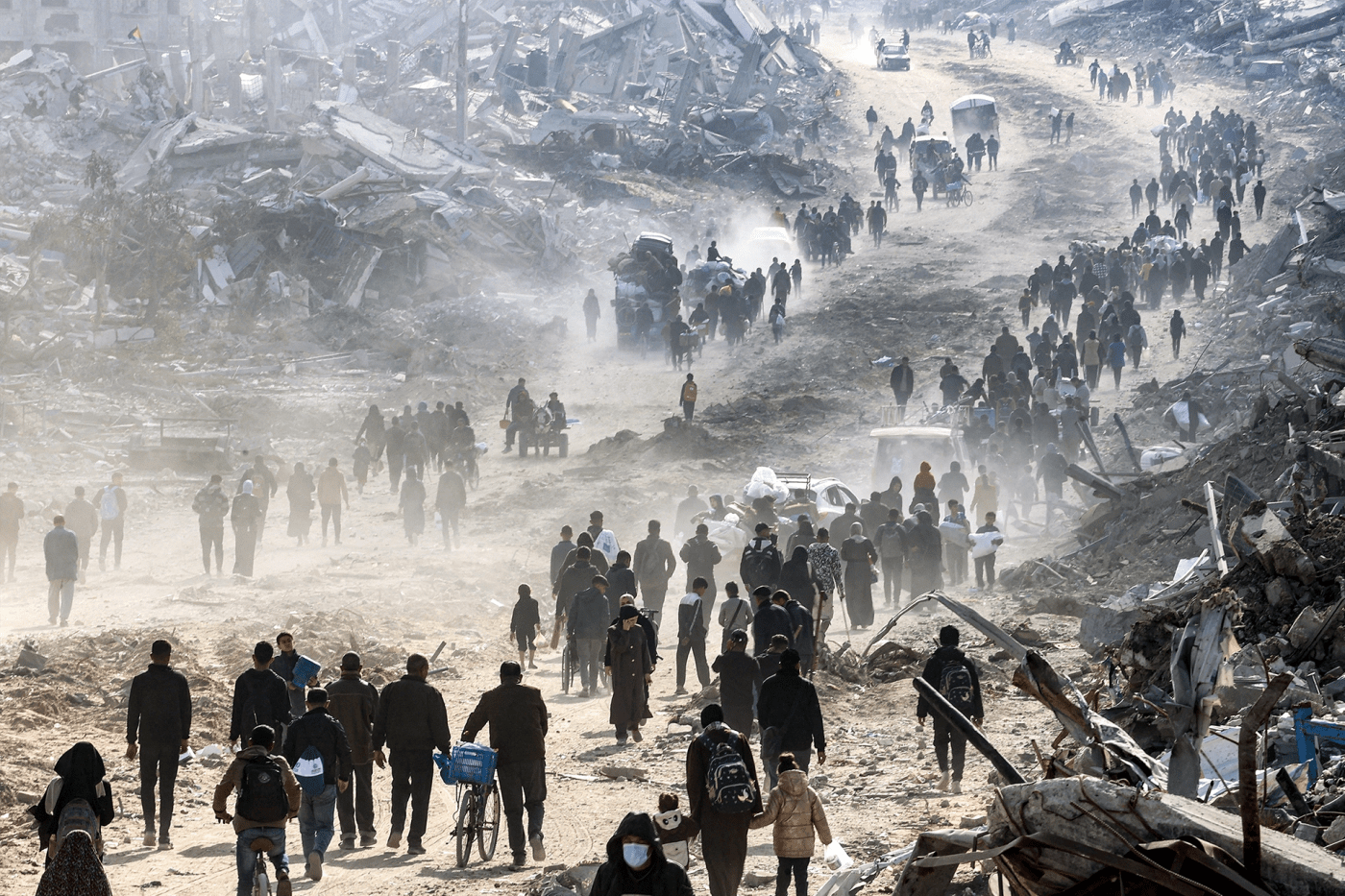
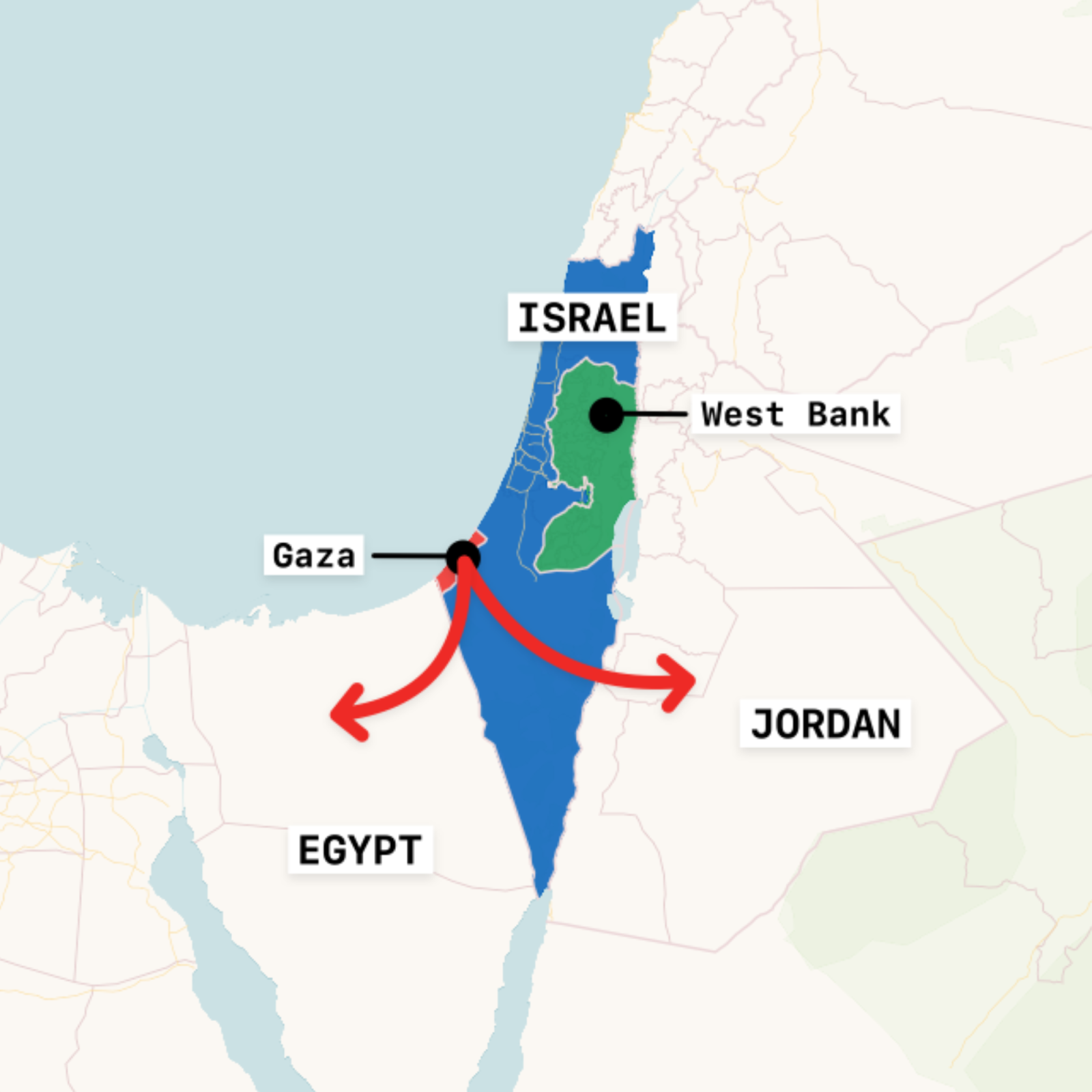
Few regions in the world have tested the limits of leadership like Gaza. Decades of conflict, political entrenchment, and economic devastation have rendered it one of the most volatile places on the planet. Now, former U.S. President Donald Trump is proposing a solution that is as bold as it is controversial: a full-scale intervention in Gaza, removing Hamas, placing the territory under U.S. administration, and rebuilding it into a thriving economic hub—while relocating its Palestinian population to the West Bank or other regions.
This proposal is not just a geopolitical maneuver; it is a power play of historic proportions. It forces the world to confront an uncomfortable reality—traditional peace efforts have failed, and something drastic must be done. But is Trump’s vision the masterstroke that finally brings stability to Gaza, or is it an overreach that could set off an even greater disaster?

Gaza: A Region Defined by Conflict
Gaza’s history is one of occupation, resistance, and perpetual struggle. From Ottoman rule to British control, and then to its modern status as a focal point of Israeli-Palestinian tensions, the territory has rarely seen true sovereignty or sustained peace. After the Six-Day War in 1967, Israel occupied Gaza, only to withdraw in 2005, leaving behind a power vacuum that Hamas quickly filled. Since then, the region has been a flashpoint of violence, suffering from repeated Israeli airstrikes, economic blockades, and governance under a militant regime that has prioritized resistance over prosperity.
Diplomatic efforts have failed time and again. Whether through failed peace talks, ineffective international mediation, or half-hearted economic initiatives, nothing has fundamentally changed the trajectory of Gaza. It remains a place of despair, where millions live under siege—both figuratively and literally.
This is the landscape Trump aims to reshape, not through negotiation, but through forceful intervention and economic reinvention.


Trump’s Plan: A High-Stakes Bet on Stability and Power
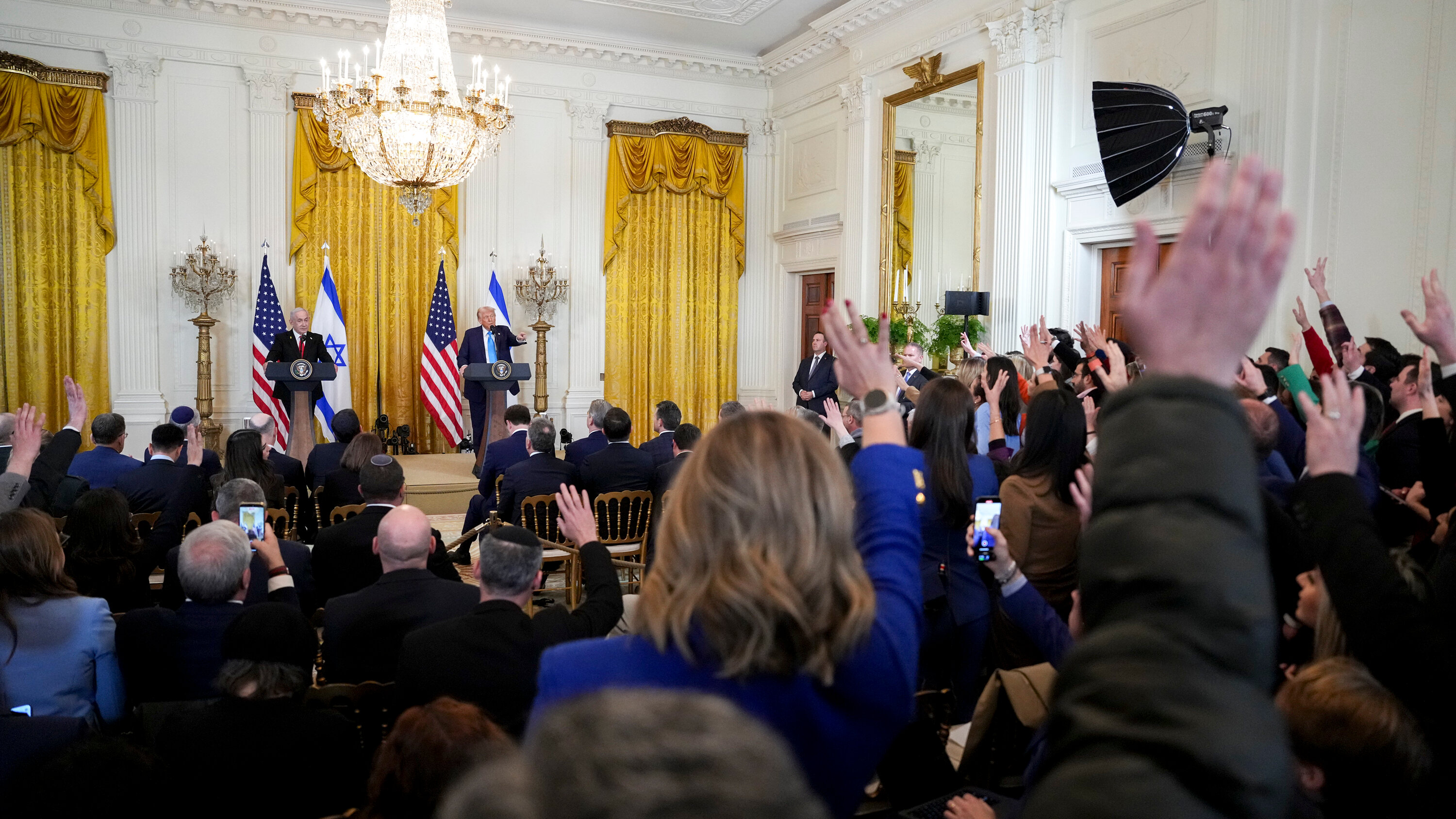
Returning to the global stage, Trump has never shied away from controversial, high-impact decisions. His foreign policy legacy includes the Abraham Accords, which normalized relations between Israel and several Arab states, defying decades of conventional diplomacy. Now, his vision for Gaza follows the same pattern—disrupting long-held assumptions and offering an alternative no one saw coming.
Trump’s plan rests on three pillars:
- Eliminate Hamas and Remove Gaza’s Current Leadership: A full-scale military intervention to dismantle the militant regime and prevent future uprisings.
- Establish U.S. Oversight and Economic Investment: A Western-administered Gaza, rebuilt with American and allied investments, transforming it into a self-sufficient economic hub.
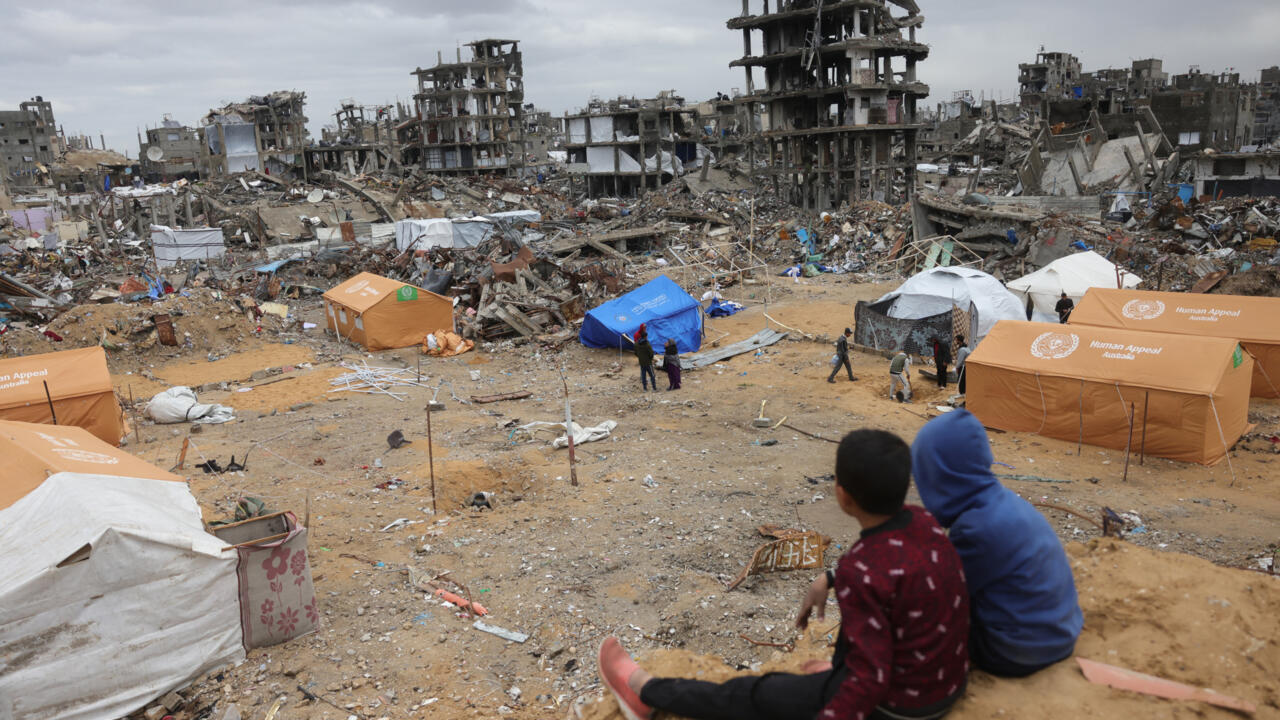
- Relocate Palestinian Civilians to Other Territories: A deeply controversial move that raises human rights concerns but would, in theory, clear the way for a fresh start.
To Trump and his supporters, this is not just a security strategy—it’s a blueprint for reshaping the Middle East in America’s image, using economic power and military dominance to create a new order. But even for those who admire Trump’s ability to disrupt the status quo, the risks of this plan are impossible to ignore.
The Three Reasons Trump’s Plan Could Work
If executed effectively, Trump’s vision for Gaza could reshape the region by leveraging economic growth, security enforcement, and geopolitical strategy. While the risks are undeniable, these three factors highlight why the plan has the potential to succeed.
1. Economic Transformation as a Conflict Solution
- Investment Hub: U.S. oversight could attract global investment, turning Gaza into an economic center.
- Post-War Model: Similar strategies succeeded in Germany, Japan, and South Korea after the conflicts.
- Shift in Focus: Economic stability could reduce extremism by fostering prosperity over warfare.
2. Security and Regional Power Balance
- Hamas Removal: Eliminating Hamas would neutralize a major security threat to Israel.
- Prevent Radicalization: A controlled Gaza would block Iranian-backed militias from gaining ground.
- Replicable Strategy: A successful model could reshape Western intervention in other destabilized areas.
3. Strategic U.S. Leverage in the Middle East
- Strengthened Influence: U.S. presence would cement its role in shaping Middle Eastern policies.
- Regional Stability: A stable Gaza could enhance relations with Arab nations and global allies.
- Diplomatic Power: The move could redefine how the U.S. engages in global conflict resolution.
But for all its potential, this plan is also fraught with peril.
The Risks: How This Power Play Could Collapse
The boldness of this move is matched only by the severity of its potential consequences. The forced relocation of millions of Palestinians would be seen by much of the world as ethnic cleansing, triggering massive resistance both politically and militarily. Gaza could quickly become a battleground for insurgent warfare, drawing in regional powers like Iran and Hezbollah.
Furthermore, the U.S. military occupation of Gaza would not be a short-term affair. As history has shown in Afghanistan and Iraq, military interventions are easy to launch but difficult to sustain. Maintaining stability in a region with deep-seated grievances could drain American resources, erode international goodwill, and potentially spark anti-U.S. sentiment across the Middle East.
Even Israel, which might initially welcome the removal of Hamas, could find itself at odds with an American-controlled territory on its border. And Trump himself, for all his unpredictability, may not be able to rally the level of political and military support needed to see this vision through.
Conclusion: Trump’s Audacious Bet—Visionary or Catastrophic?
Trump’s Gaza plan is unlike anything proposed in modern Middle Eastern diplomacy. It is a radical departure from failed peace talks, offering an economic and security-driven approach rather than a political compromise. In many ways, it is the purest expression of Trump’s leadership style—unapologetically bold, disruptive, and fixated on power dynamics rather than traditional diplomacy.
If it works, it could be one of the most significant foreign policy achievements in modern history, proving that economic transformation can succeed where negotiations have failed. If it collapses, it could fuel one of the greatest geopolitical disasters of the century, deepening regional tensions and dragging the U.S. into another prolonged military entanglement.
In the end, this is the highest form of leadership—a power play that could redefine an entire region or unravel in spectacular fashion. And as the world watches, only one thing is certain: Trump is making a move that will either cement his legacy or become his most audacious miscalculation yet.
 Notes Beyond the Map
Leave a comment