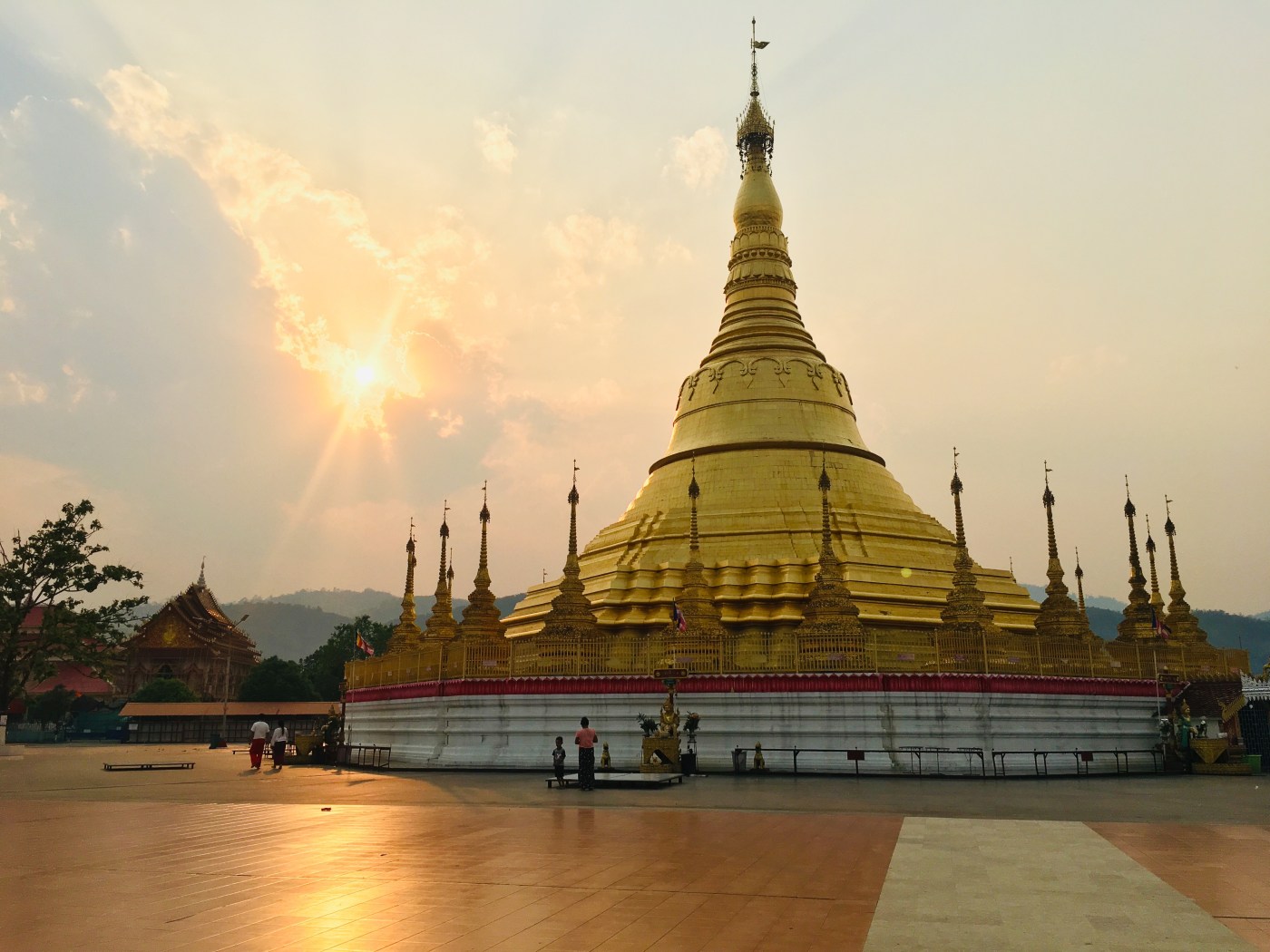
Most people probably can’t even find Myanmar, formerly Burma, on a map—let alone this forgotten border town called Tachilek. It’s a place that doesn’t make headlines, and if it does, it’s for all the wrong reasons. Caught between the chaos of civil war and the shockwaves of a massive earthquake, Tachilek is a forgotten fragment of a country on the edge. Yet, it carries a deep message for all of us.
In May 2019, I spent three days there—three intense, uncomfortable, and eye-opening days. Travel in Southeast Asia is not for the faint of heart, and Tachilek took that to another level. It was hot, chaotic, and at times, unnerving. I went seeking some form of enlightenment or insight, but what I found was something more visceral—a lesson about mortality and memory.
When I crossed the border from Thailand, just 40 miles from Chiang Rai—a place that already felt foreign to me—I felt as though I had stepped into a new realm. I am from Victoria, BC, a small town on Vancouver Island. Life is vastly different there; people go about a much different life. In Tachilek, I felt the sharp contrast immediately—like I had left my world behind and entered a place that didn’t care about familiarity or comfort.
Tachilek’s story is complex and gritty, wrapped in both human resilience and suffering. It’s a place where hope flickers faintly amid hardship. I was both captivated and troubled by the tension that lingered in the air, as if the town itself was caught between the past and the present, unable to move forward. I didn’t just visit Tachilek; I became part of its story, even if just for a fleeting moment.
Stepping Into the Unknown
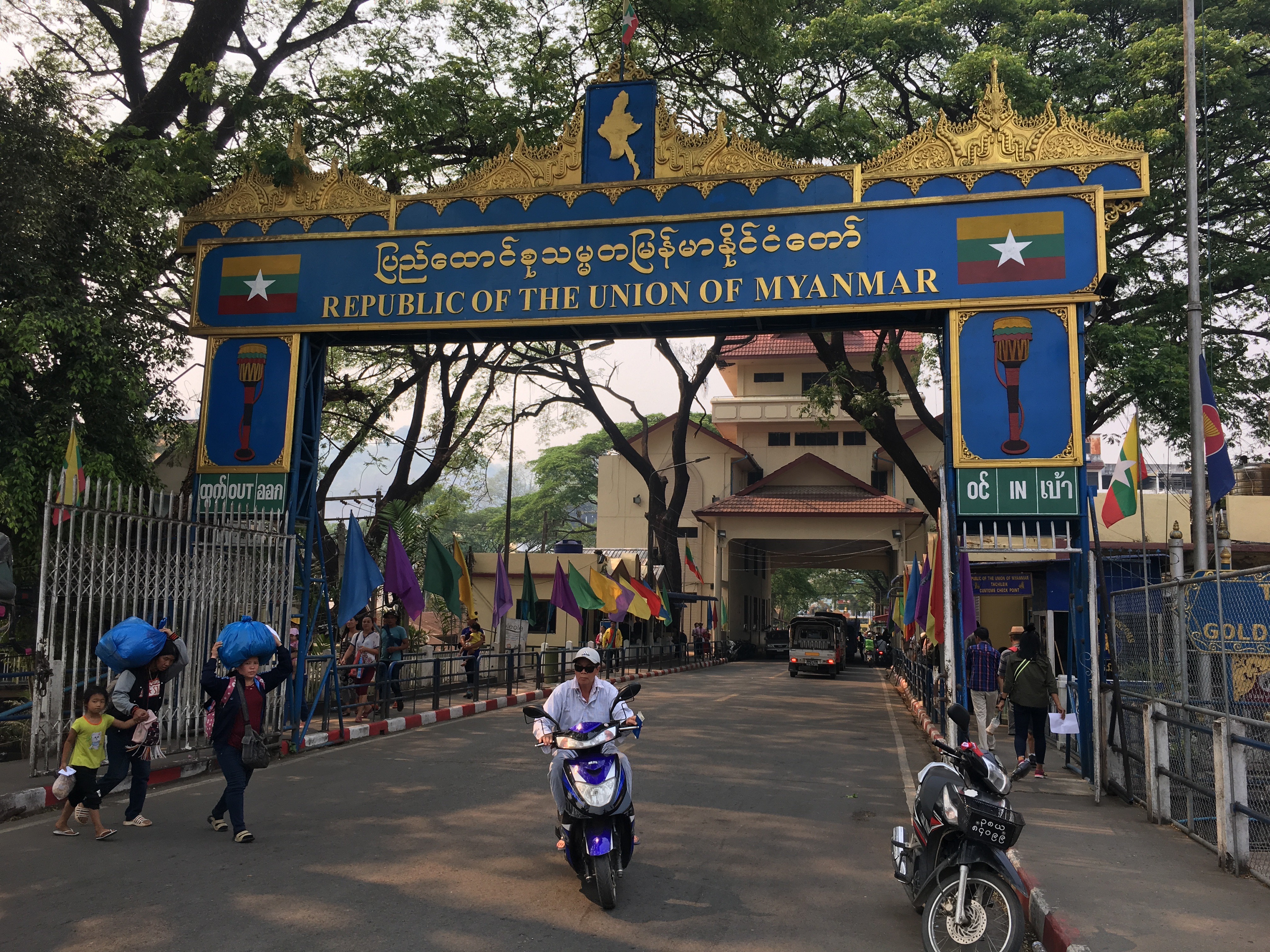
Crossing the border from northern Thailand into Tachilek felt like crossing into another world. The oppressive heat, 40 degrees with suffocating humidity, was the first to hit me. After a cramped ride in a truck taxi, I hauled my luggage through immigration. The Thai officials were professional and relatively friendly—a stark contrast to the Myanmar agents on the other side. Their eyes held despair and suspicion, as if they were shouldering the weight of countless stories too painful to tell.
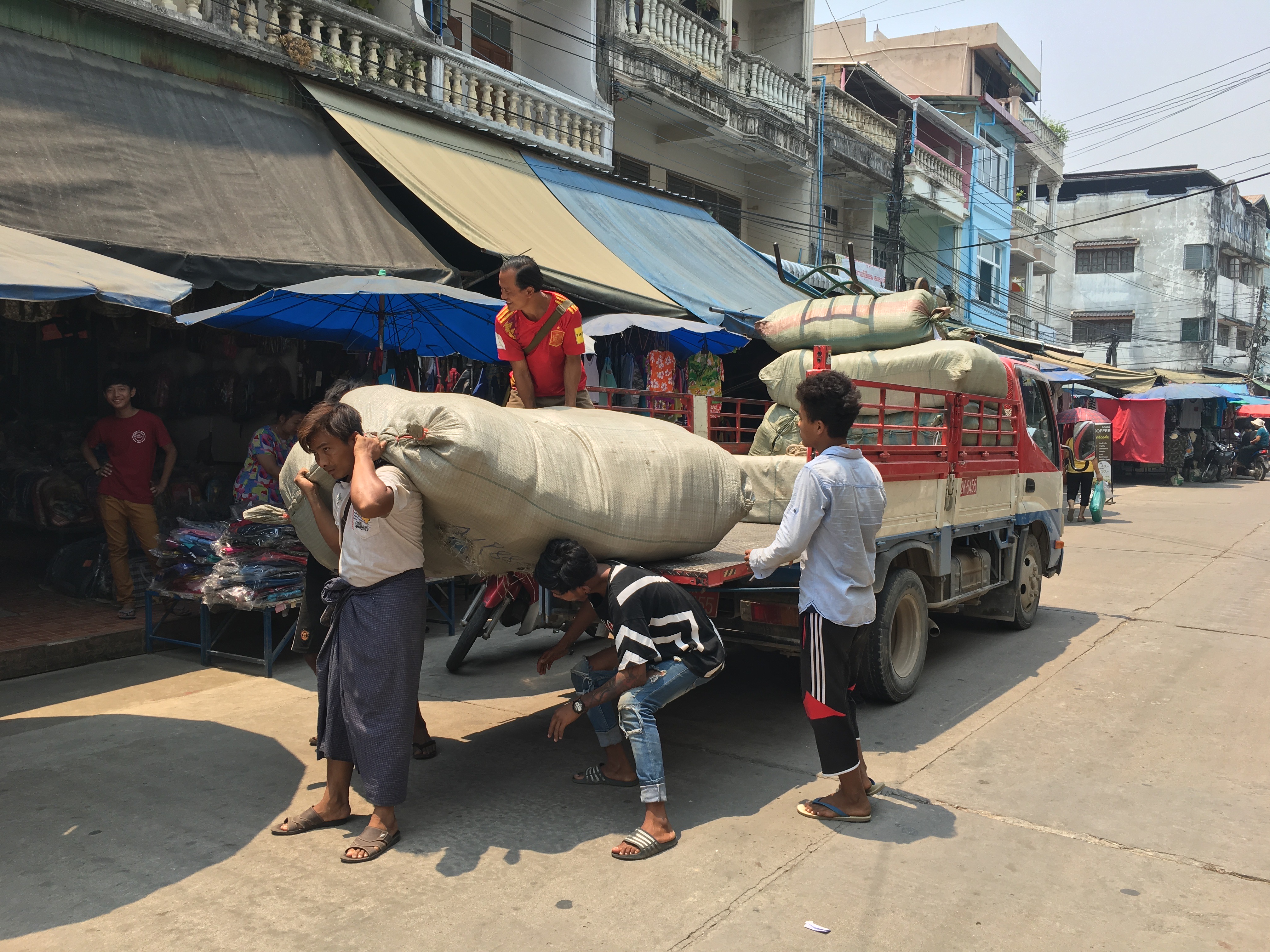
The moment I stepped onto Myanmar soil, I realized how raw and real the experience was going to be. This wasn’t a sanitized tourist trail. Tachilek was a place where stories didn’t hide behind polished façades. As I made my way through the dusty streets, I couldn’t help but feel that I had entered a place where survival was the main storyline, and every interaction had an unspoken depth.

The Weight of Discomfort
Finding a decent place to sleep was no small feat. It took me three different hotels to finally find one where the bed didn’t feel like it might devour me. Even then, I woke up the next morning with a nasty rash—a raw, red souvenir from the grimy mattress. Sleep didn’t come easy, but when it did, it was filled with restless dreams about the uneasy air that hung over the town. Despite the discomfort, I couldn’t help but be drawn to the raw authenticity of Tachilek—like a place frozen in time, caught between suffering and survival.
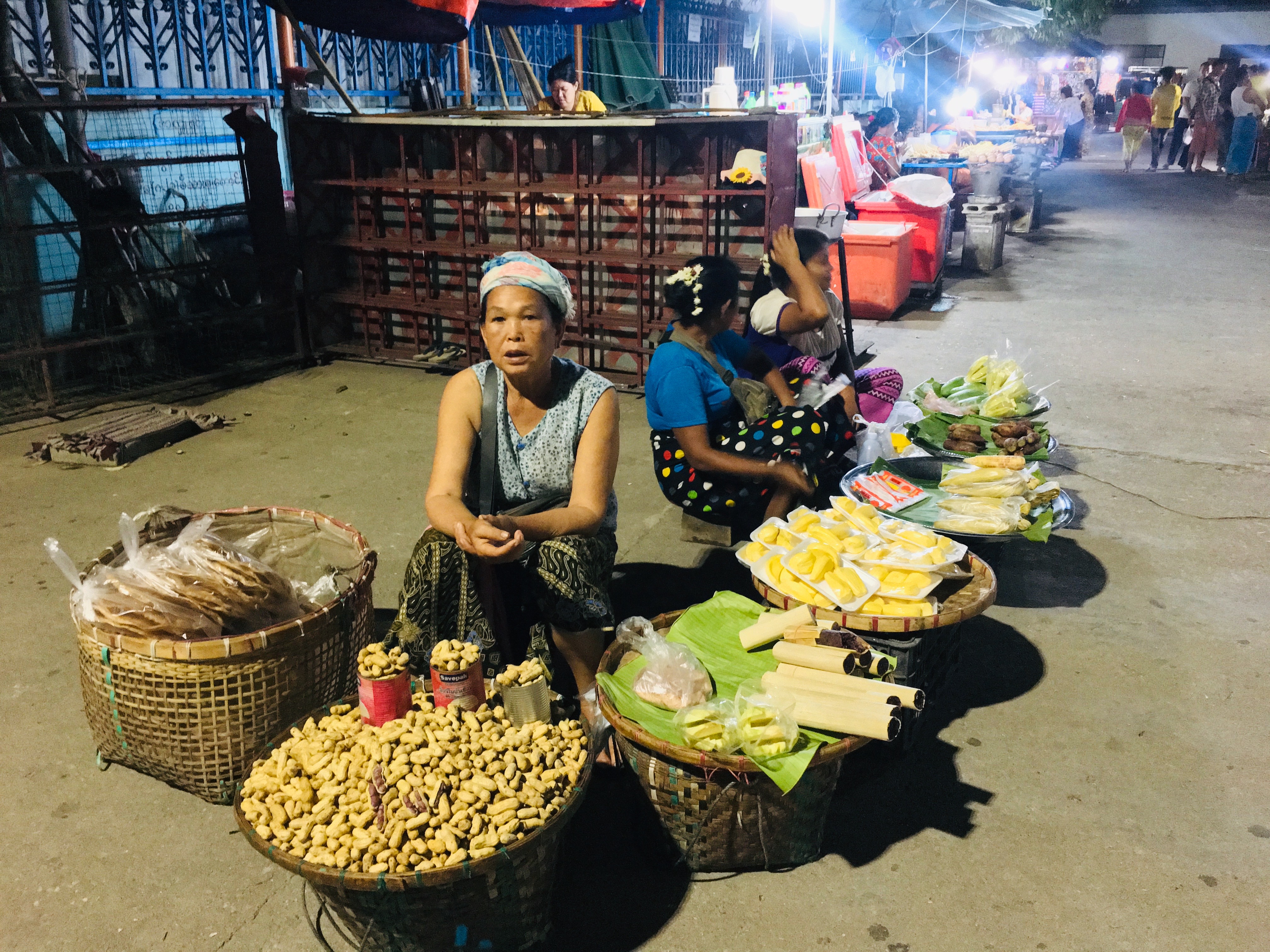
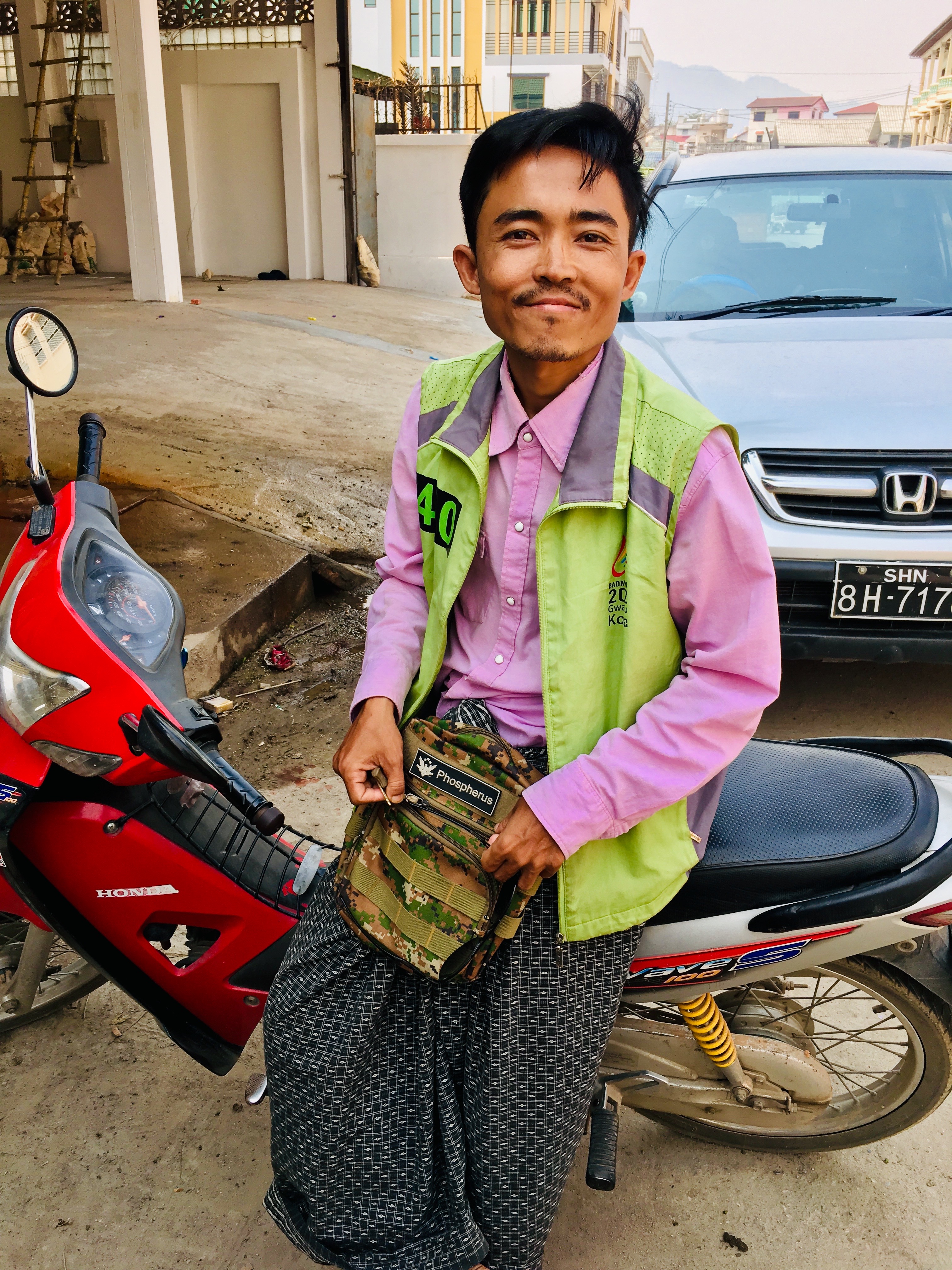
Walking through the streets, I noticed how poverty and resilience seemed intertwined. People carried on, selling wares, chewing betel nut, and staring with a guarded curiosity. The air was thick not just with heat but with stories I couldn’t fully understand. This was a town where the scars of conflict were still fresh, and where survival was a daily battle.
A Place Between Worlds
Tachilek felt like a place stuck in purgatory—a border town where the past and future collide, but the present never quite lands. The people were warm but shy, often looking at me as if I were a specter wandering through their daily struggle. Something felt wrong—like the town was holding its breath. Even the Christian school, guarded by walls and barbed wire, seemed more like a fortress than a place of refuge.
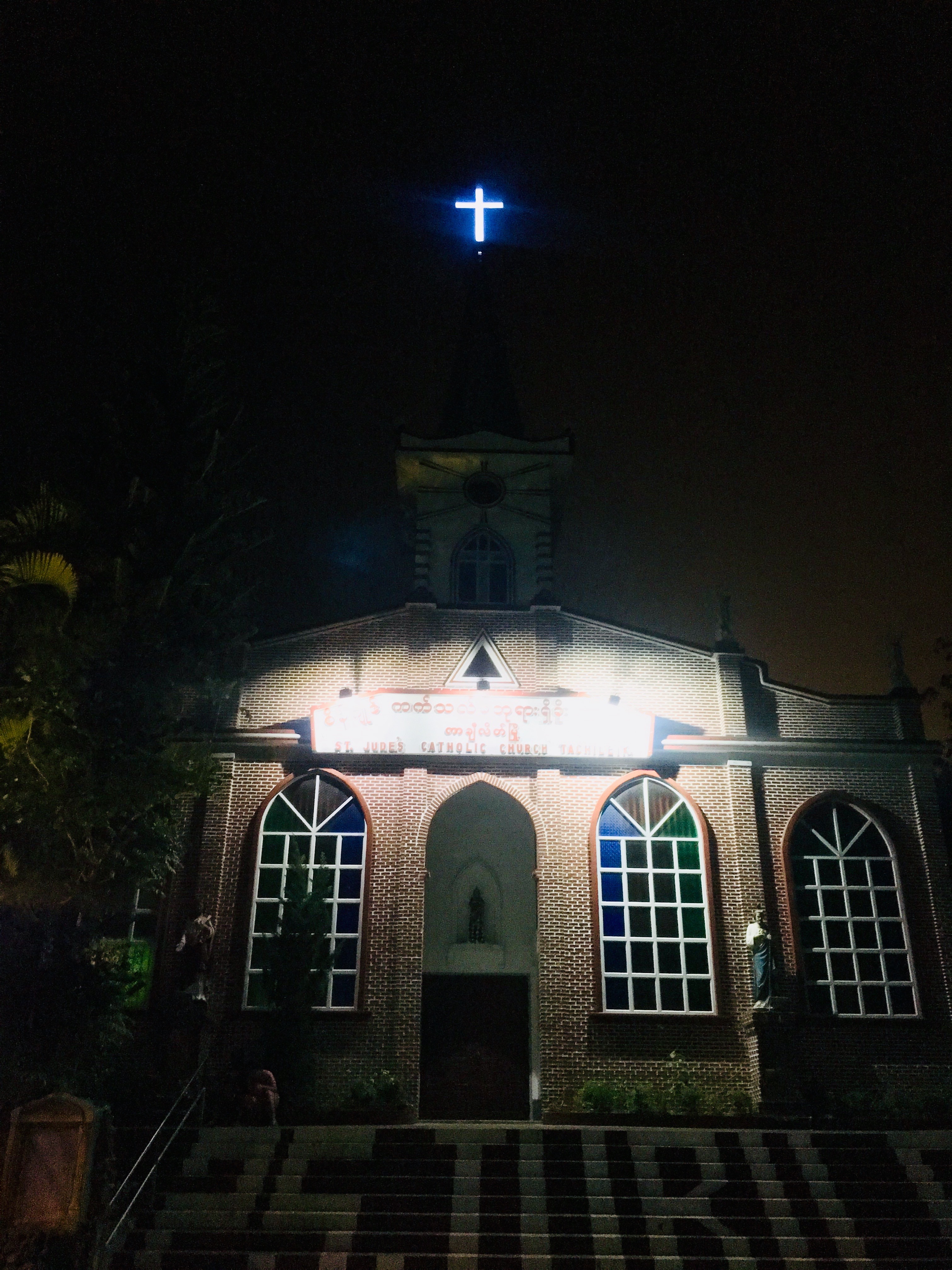
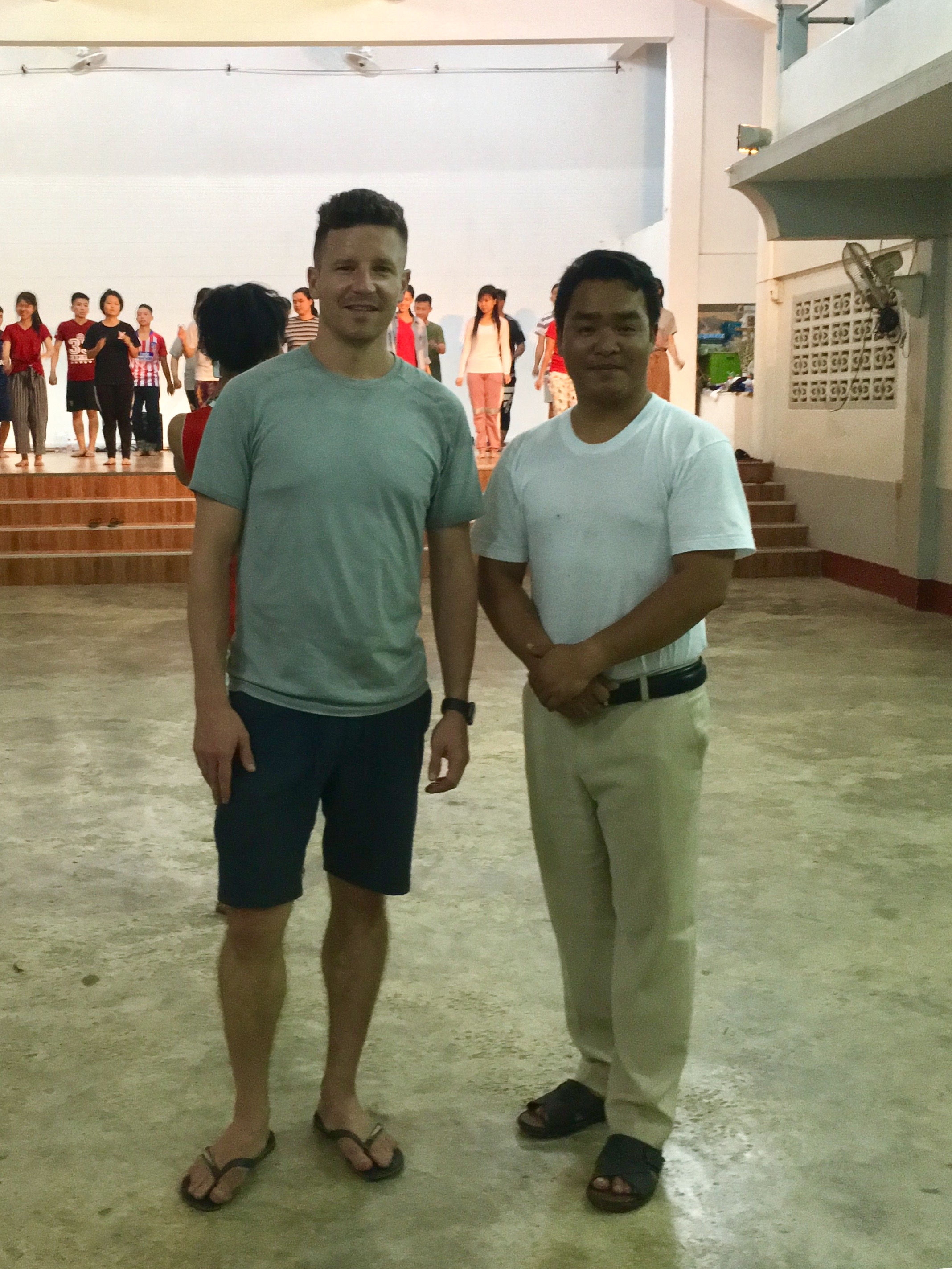
One evening, I ventured toward the church compound where priests lived behind those guarded walls. I met three priests. One was 87, full of wisdom but weary of the future. The youngest, just 36, had already given up hope. As they spoke of Myanmar’s ongoing conflict, it was clear they had accepted the struggle as permanent—a haunting normalcy that weighed down their dreams. I couldn’t shake the feeling that there was a sense of being trapped—not just physically, but mentally, with little hope of change.

Betel Nut and Bleeding Streets
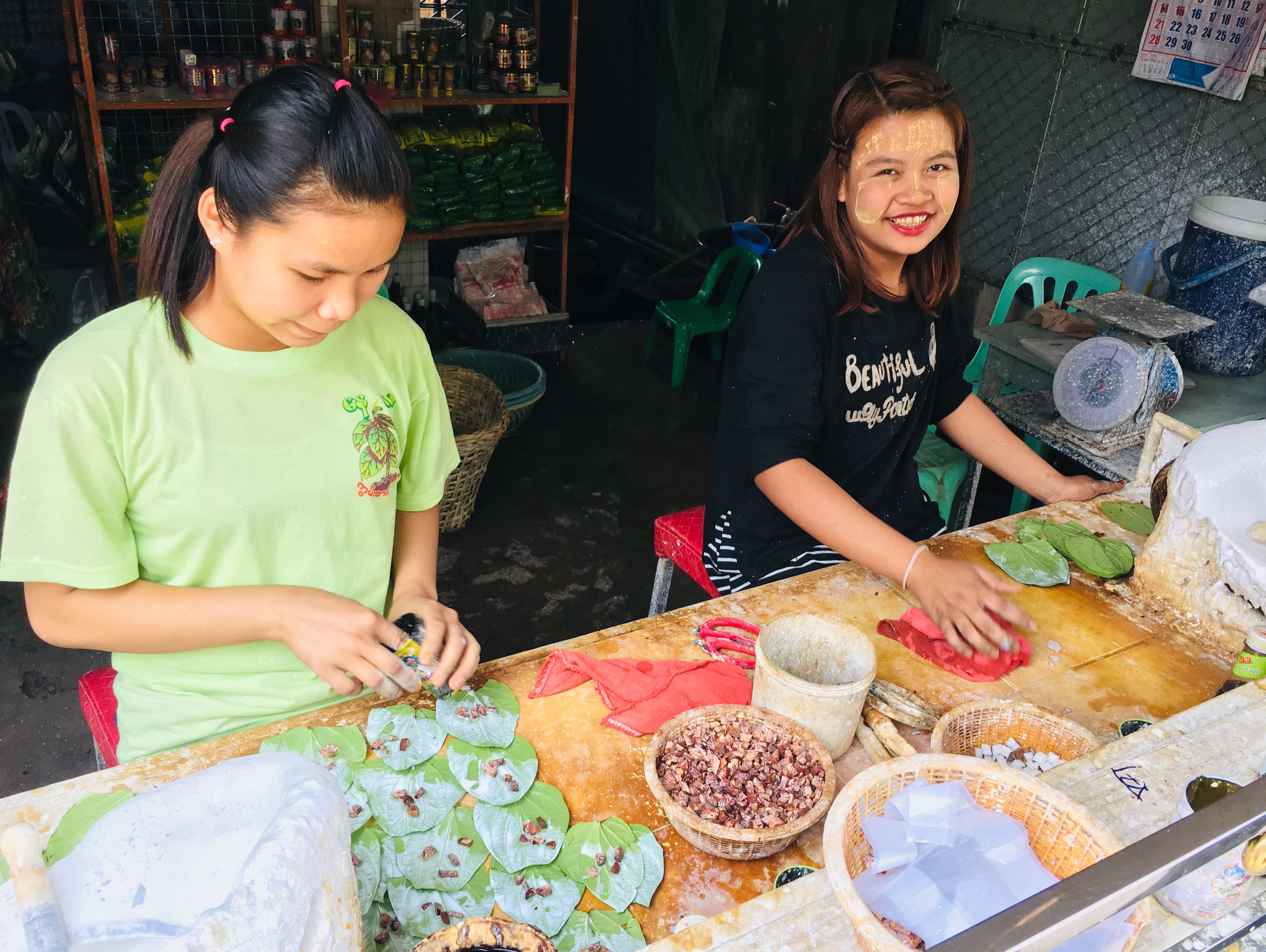
I tried betel nut here for the first time. I had never known or heard of this strange concoction of betel nut, lime, and leaf, but I soon began to see it everywhere. It was commonplace among men and women, and even some young kids. The red, bloody sludge would fill their mouths, staining their teeth and grinding them down to nubs. People moved lightly, as if in a hazy, glue-stick high, but the effect was short-lived. They had to repeat the habit every hour or so, or else they would sink lower than before.
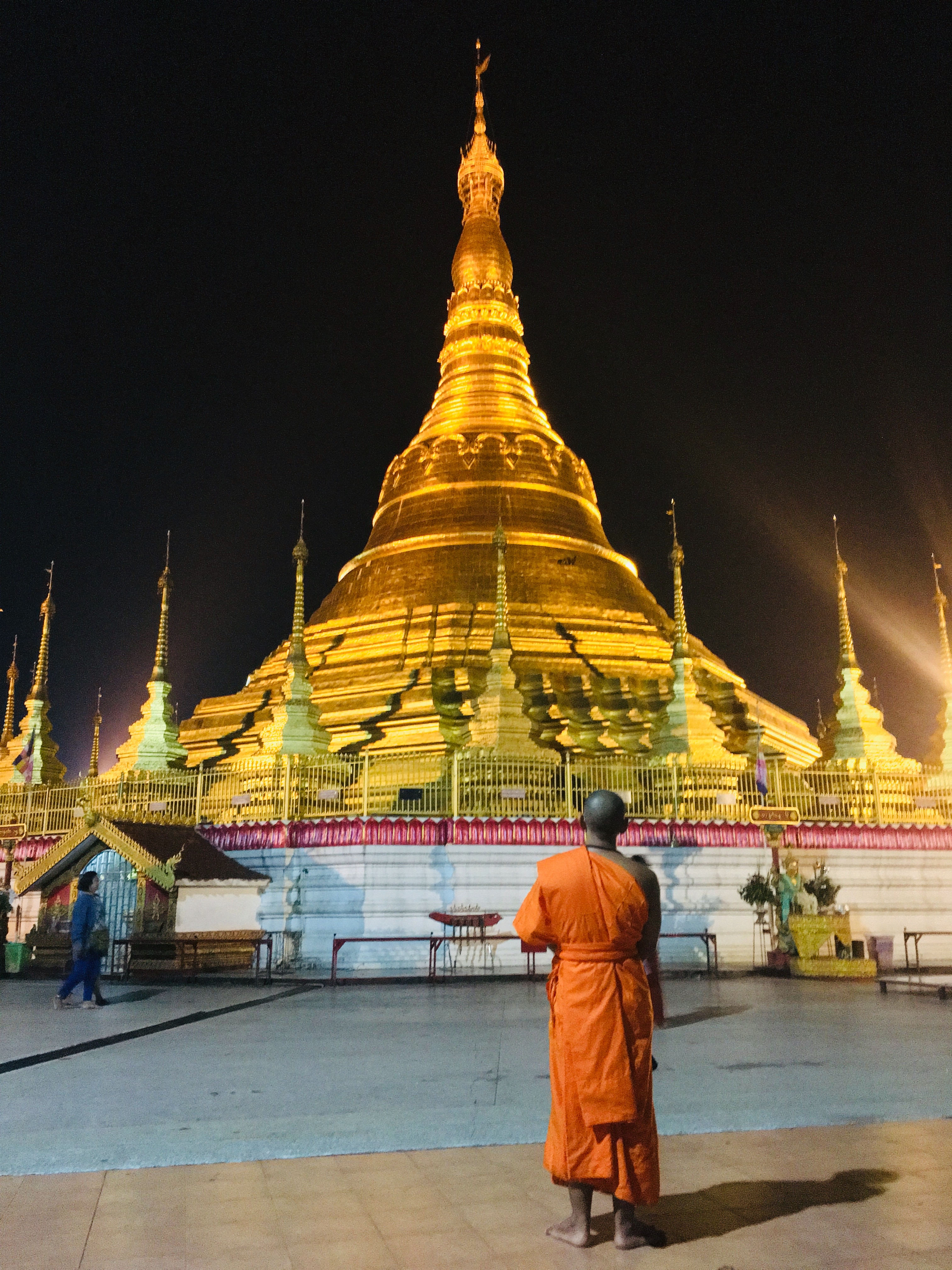
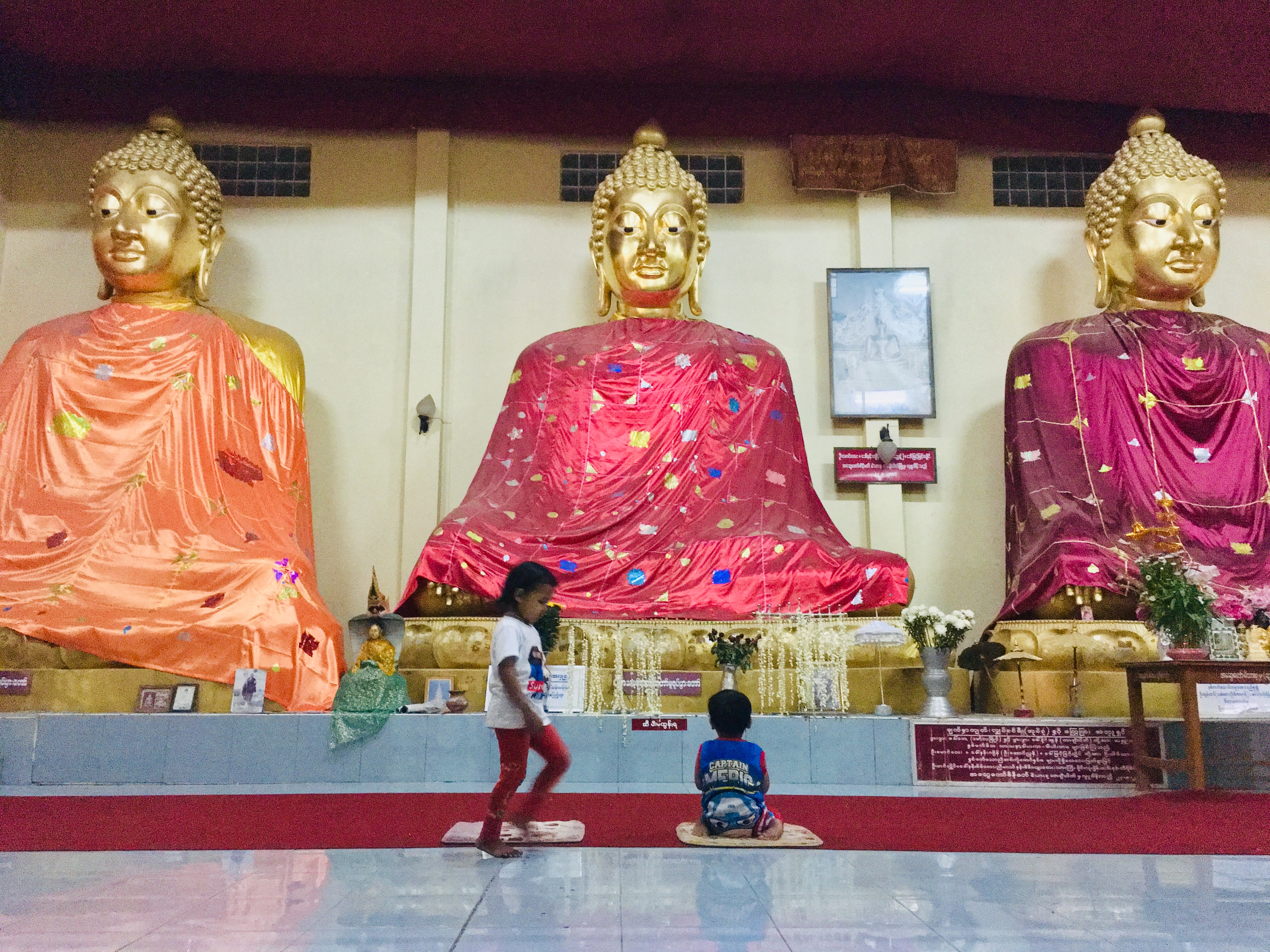
Wild dogs wandered the streets, but they didn’t seem to pose a threat to me. I would walk for hours around the town, absorbing the atmosphere. The smell of fried foods and unfamiliar dishes filled the air, and pagodas dotted the skyline—among them the significant Shwedagon Pagoda, standing tall in the center. The rhythm of the town felt chaotic, but there was a strange stillness within the movement.
Conclusion
Tachilek, in all its grit and gloom, has left a scar on my memory. It’s a place that doesn’t want to be understood, as if its soul has been battered too many times to open up to strangers. I came looking for something profound, but I left with a gnawing realization: significance is fleeting. In the grand scheme of things, few of us will be remembered. The town, like so many others caught in the chaos of civil war and natural disaster, may never heal. It’s stuck, waiting for a change that may never come.
But in a way, that’s the story of most of us. Unless you are a biblical character, a leader of magnitude, or invent something of significance, you, like me, will be forgotten. That’s what this town made me feel when I was there, and it still, from time to time, haunts me. Am I just passing through life like I did Tachilek—leaving no trace? It doesn’t want you to forget it, but it knows you will. It knows the world moves on, even if it doesn’t. I carry that with me—a reminder that most of us are just shadows passing through, marked not by what we leave behind, but by what we choose to remember.
 Notes Beyond the Map
Leave a comment