Somewhere in a neon-lit lab in Tokyo, a young engineer accidentally drops a ceramic coin cell. It doesn’t shatter, doesn’t smoke, doesn’t explode. Somewhere in India, a sodium-ion test rig hums quietly in the dry heat, sipping saltwater and making promises. Meanwhile, in your pocket? A lithium-ion bomb politely waits to be summoned by TikTok or Google Maps.
The world is addicted to energy—not just having it but storing it. Batteries are no longer background dancers in the tech show. They are front and center. The heart surgeons of the electric age. And five contenders are fighting for the crown of “world-changer.” Spoiler alert: It’s not who you think.
1. Lithium-Ion: The Veteran That Won’t Retire
Lithium-ion is the Elvis Presley of batteries. Big, bold, beloved—and slightly flammable. It powers your phone, your Tesla, your anxiety. With mass production and a mature supply chain, it’s currently unbeatable in terms of accessibility and cost, at about $100–$140 per kWh.
But while lithium-ion holds the throne, it’s plagued by aging joints: environmental concerns, expensive raw materials, and the undeniable fact that its best days may be behind it. Sure, improvements keep showing up like Botox injections—denser packs, safer casings—but at its core, it’s a middle-aged rock star trying to keep up with TikTok.
Summary:
- Stage: Mass production; dominant battery tech today
- Cost per kWh: $100–$140
- Pros: High energy density, mature supply chain, decent cycle life
- Cons: Flammable, environmental cost, expensive materials
- Special Features: High power density; ubiquitous global infrastructure
2. Sodium-Ion (SIB): The Underdog with a Salt Shaker
Cheap. Stable. And surprisingly talented. Sodium-ion batteries are like that rural cousin who shows up with a guitar and starts stealing gigs from trained professionals. Costing a mere $40–$80 per kWh, they’re drawing serious attention, especially in countries like China and India, where lithium is harder to come by than an honest politician.
The catch? Sodium-ion has lower energy density and a shorter cycle life. It’s not going to make your sports car go vroom, but it could keep your refrigerator running through a blackout. Bonus: it works in frigid -40°C conditions, making it a favourite for northern climates and anyone who’s ever cursed their frozen car battery at 6 a.m.
Summary:
- Stage: Pre-production; gaining traction globally
- Cost per kWh: $40–$80
- Pros: Abundant, cheap, cold-weather performer, safer
- Cons: Lower energy density, heavier, shorter lifespan
- Special Features: Operates well in -40°C; strong safety profile
3. Solid-State: The Silent Assassin
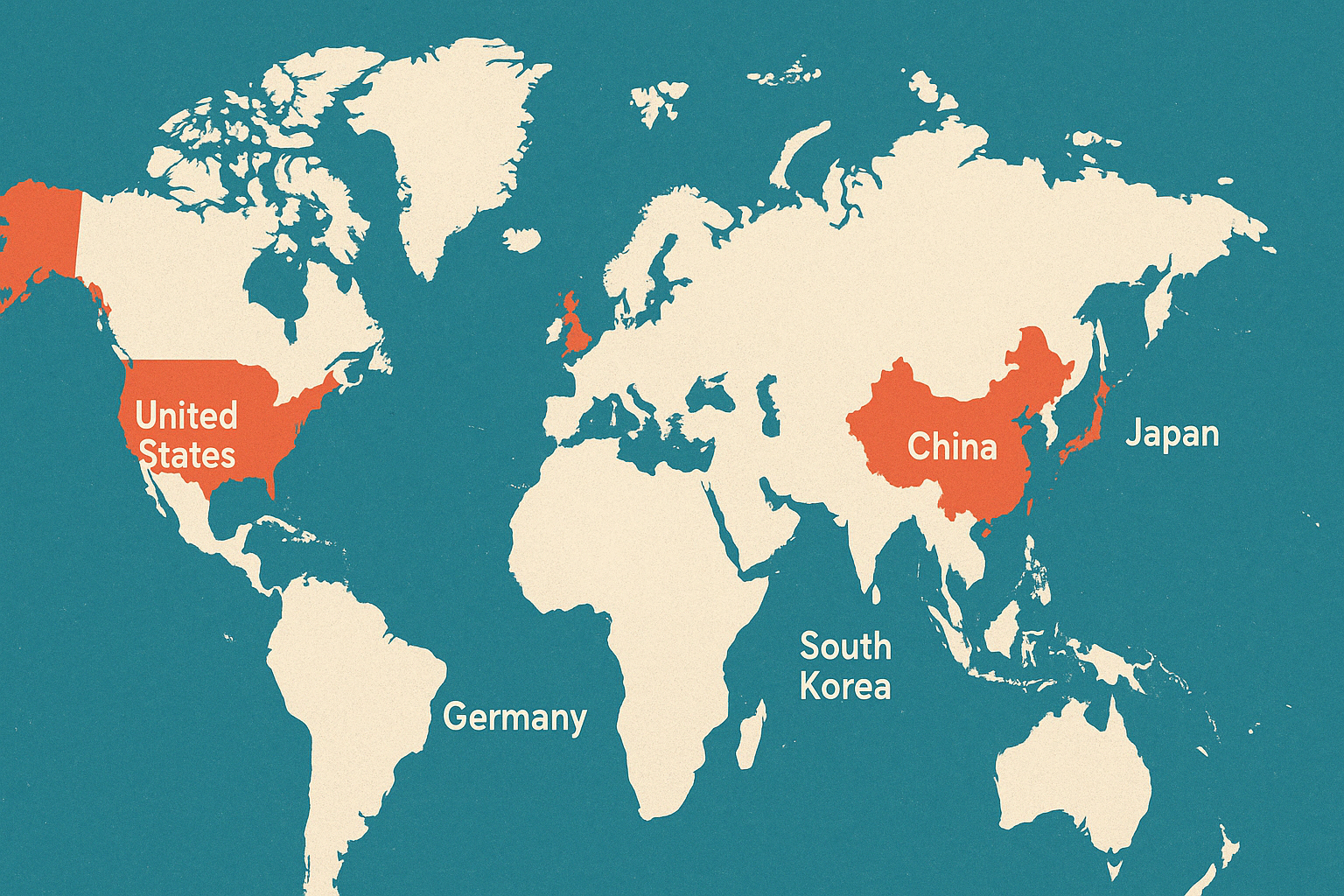
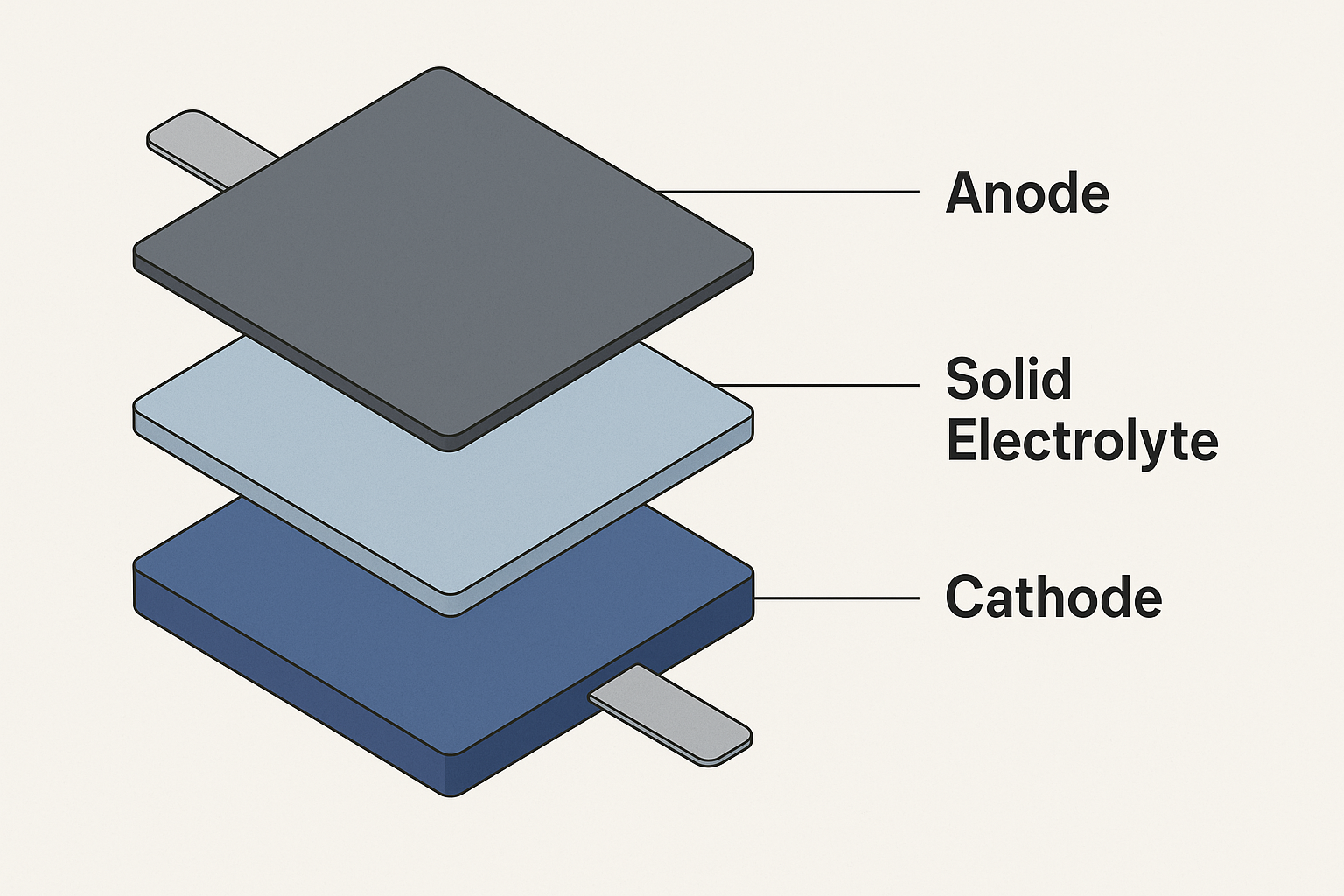
Here’s where things get James Bond. Solid-state batteries are sleek, non-flammable, and hide twice the energy in half the size. Japan, the U.S., and Germany are playing a hush-hush race to production, with companies like Toyota and QuantumScape dangling prototypes like golden tickets.
They promise to solve all the problems: more energy, longer life, and no fiery explosions. However, they also cost $200–$400 per kWh and are complex to manufacture. It’s like trying to make sushi out of titanium. Still, if (when?) they crack the scale problem, this could be the battery that turns your EV into a spaceship.
Summary:
- Stage: Pre-production/pilot production
- Cost per kWh: $200–$400
- Pros: High energy density, long life, safe, compact
- Cons: Expensive, manufacturing complexity, not yet scalable
- Special Features: Non-flammable solid electrolyte; EV safety revolution
4. Lithium-Sulphur: The Featherweight Fighter
Imagine a battery so light that your drone could fly to the moon and back without recharging. Lithium-sulphur is that dream. It boasts incredible theoretical energy density and a charmingly low materials cost. Oh, and it’s greener too—less of that rare-earth guilt.
So why isn’t it everywhere? It’s about as stable as a one-legged table in a windstorm. The cycle life is short, and dendrite growth (those pesky microscopic spikes) threatens safety and longevity. It’s the kind of technology that makes you want to believe in miracles—or at least better materials science.
Summary:
- Stage: Research / early lab prototype
- Cost per kWh: $150–$250 (projected)
- Pros: Very high energy density, lightweight, cheap materials
- Cons: Poor cycle life, instability, dendrite issues
- Special Features: Lightweight and energy-dense; game-changing potential if stabilized
5. Flow Batteries: The Grid Whisperer
Not every battery wants to be sexy. Some just want to sit quietly in a warehouse and power cities. Flow batteries are the tortoises in this race. They’re heavy, bulky, and complex—but boy, do they have stamina. With independent scaling of power and energy, they’re perfect for grid storage and renewable integration.
They’re currently in pilot production, and led by companies like ESS Inc. and Redflow. Their Achilles’ heel? Low energy density. These aren’t going in your phone or your car. But in the background? They may just keep the lights on.
Summary:
- Stage: Pilot production
- Cost per kWh: $150–$300
- Pros: Scalable, long cycle life, safe chemistry
- Cons: Low energy density, heavy, complex setup
- Special Features: Independent power and energy scaling; perfect for grid storage
So, Which One Could Change the World?
If you twisted my arm—hard—I’d say Solid-State wins the crown. It’s got the magic blend of safety, power, and potential scalability. It’s what lithium-ion was to the iPhone era. But don’t sleep on Sodium-Ion. If lithium prices spike or we decide cobalt mining isn’t cute anymore, salt may just save us. And for the dreamers, Lithium-Sulphur is still out there, scheming in the shadows, waiting to fly.
Final Thoughts
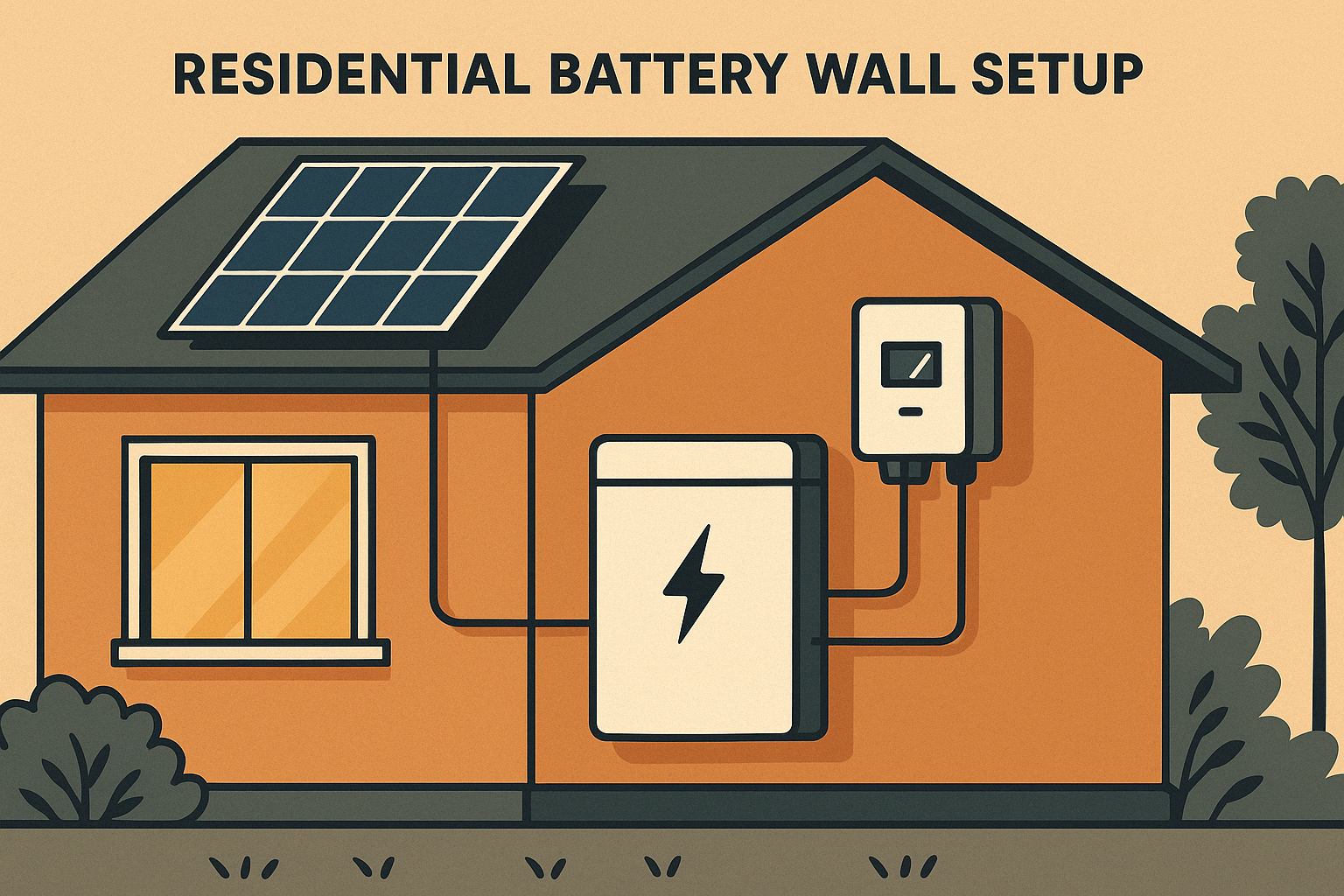
The battery revolution won’t be televised—it’ll be plugged in. In pockets, in walls, in every electric thing that hums beneath our fingertips. Whether it’s salt, sulphur, or solid-state, the race isn’t just about energy—it’s about survival. A civilization’s heartbeat is measured in how long the lights stay on after the sun goes down. And someone, somewhere, is engineering our tomorrow—one cell at a time.

 Notes Beyond the Map
Leave a comment