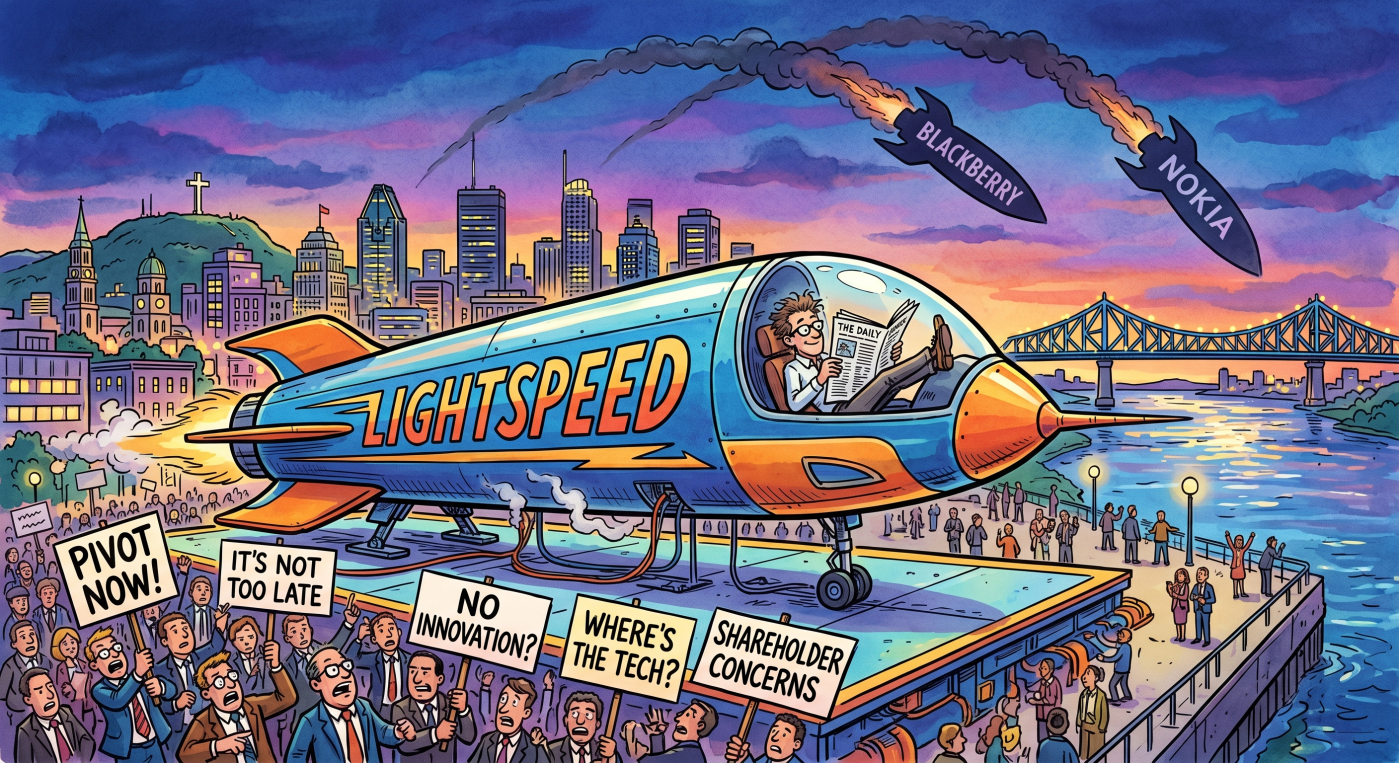
A love letter, a warning shot, and a roadmap from someone who’s been holding the bag since 2019.
Here’s something nobody in a Bay Street boardroom wants to admit out loud: buying back your own stock is what companies do when they’ve run out of ideas.
It’s not wrong, exactly. It’s legal. It’s even clever, in a financial-engineering-as-substitute-for-vision sort of way. But it’s also the corporate equivalent of rearranging your bedroom furniture when your roof is on fire. You feel productive. The ceiling is still falling.
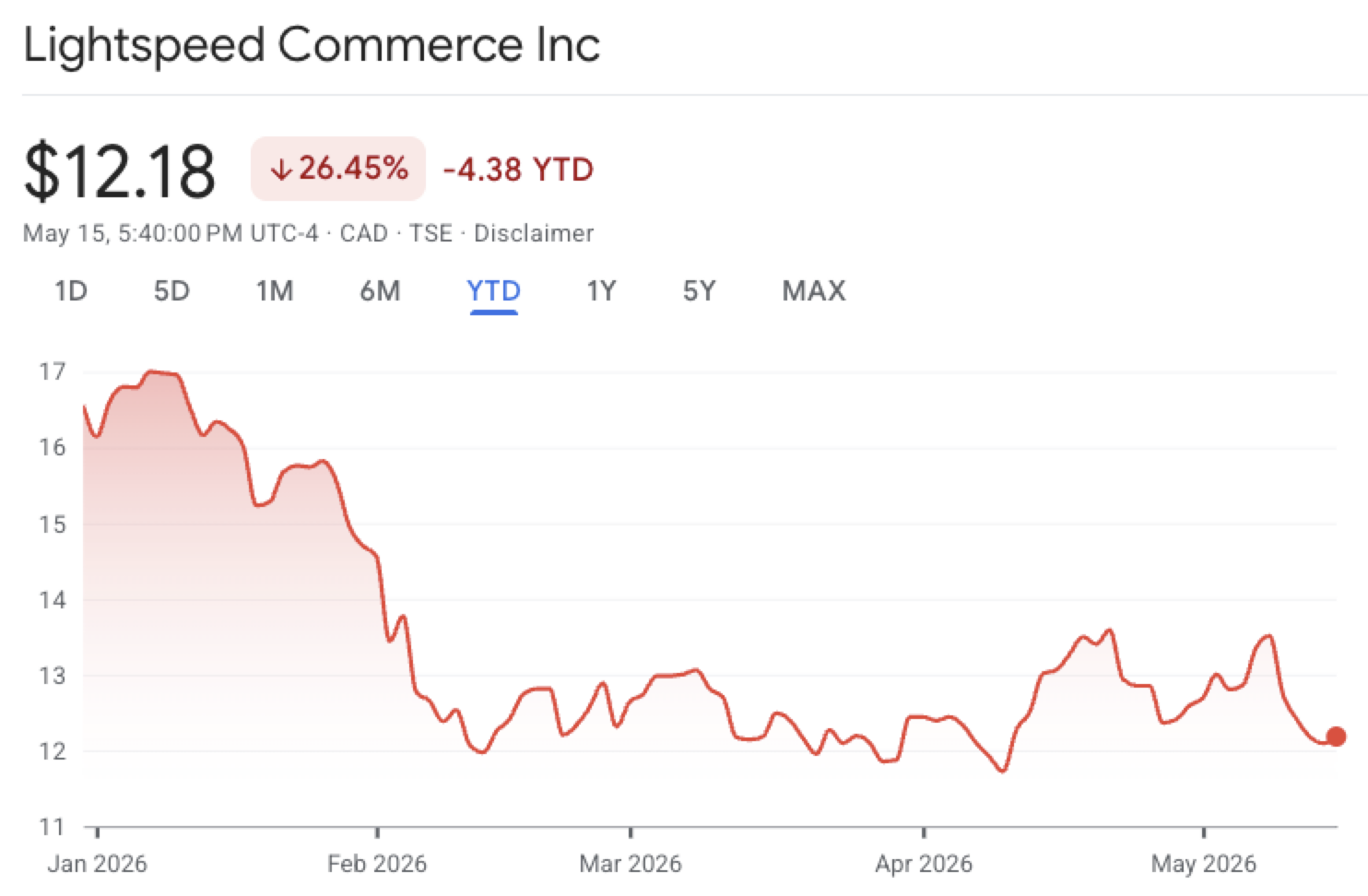
I’ve owned Lightspeed Commerce shares since 2019. I watched it rocket to $160. I watched it crater to $11.45. I’ve watched management spend hundreds of millions of dollars buying back stock to nudge the price up by a few dollars, while the structural threats to the business pile up like unopened mail after a long vacation. I’m not here to whine about my portfolio. I’m here because I grew up watching tech companies with genuine promise convince themselves they were safe right up until they weren’t.
BlackBerry thought the keyboard was the moat. Nokia thought the brand was the moat. Both were totally wrong. Both found out the hard way. So it goes.
Montreal Built This Company. They Have Never Played It Safe.
There’s something you have to understand about Montreal. The city doesn’t care about the rules. It never has. The place that gave the world Cirque du Soleil, Ubisoft, and a food scene that makes the rest of Canada feel deeply embarrassed about itself, is not a city that defaults to caution. Montreal builds weird, ambitious, slightly reckless things and then dares the world to catch up.
Lightspeed was born from that spirit. Dax Dasilva started the company in 2005 out of a genuine frustration with how terrible retail software was. That’s a real problem, solved with real conviction. That’s all that, and a bag of chips, as we used to say back when people still said things like that.
But somewhere between the IPO, the acquisitions binge, and the current share price of $12.18 CAD on the TSX, something shifted. The company stopped feeling like Montreal and started feeling like a conference room. The quarterly guidance got tighter. The vision got smaller. The strategy started sounding less like “change commerce” and more like “please, Wall Street, please.”
The Numbers Are Not the Problem. The Numbers Are a Symptom.
Let’s be honest about what the financials are actually telling us. Software subscription growth is running at 6%. Transaction revenue is growing at 15%, which is fine, but it’s fine in the way that your car’s air conditioning works great right before the engine dies. Core gross margins are an impressive 82%, but that’s largely because management replaced expensive human support staff with AI bots.
Cost-cutting your way to margin expansion is not a growth strategy. It’s a delay tactic.
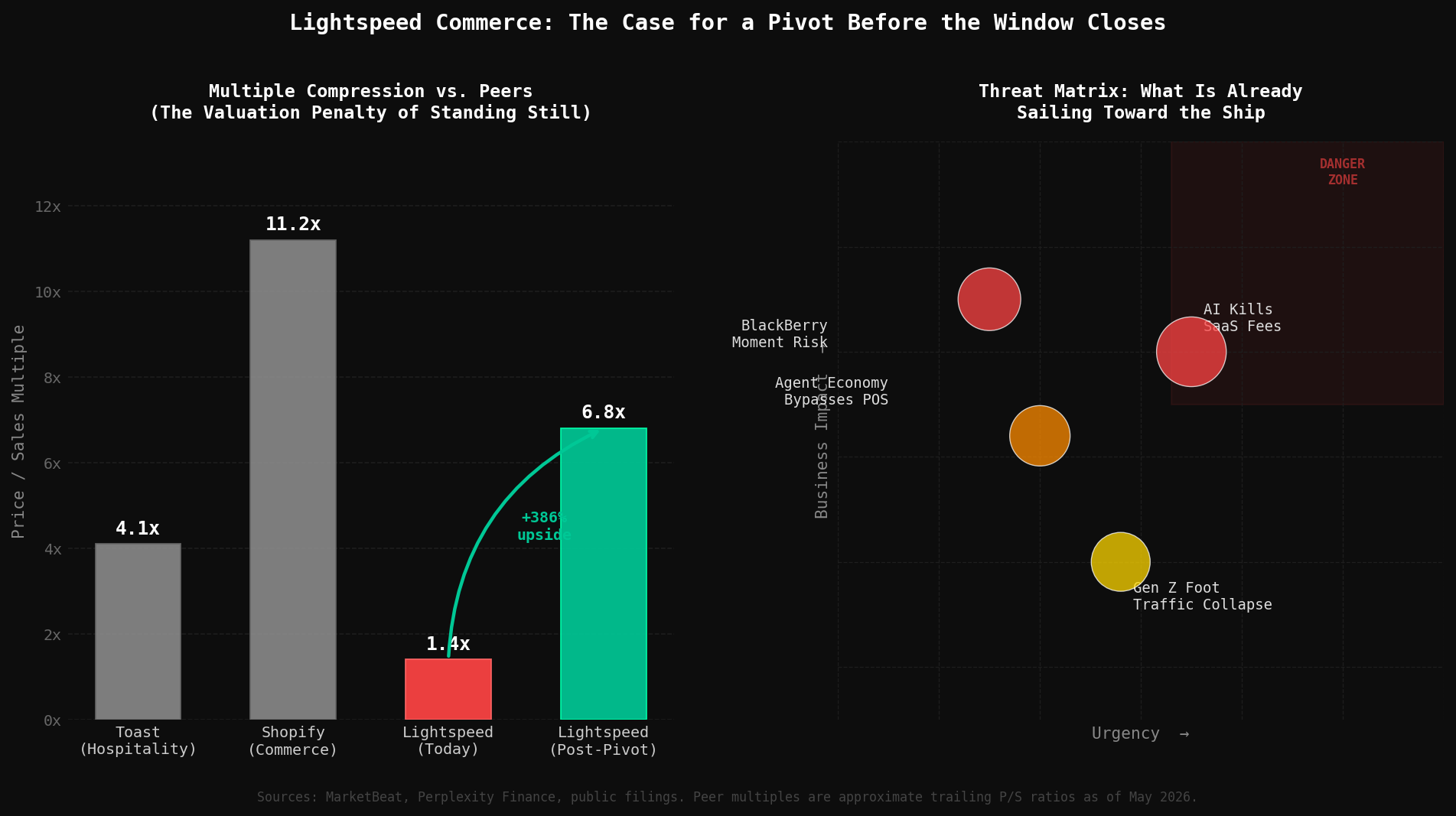
The share buyback program has consumed roughly $200 million USD so far, with the board authorized up to $400 million. Under Canadian NCIB rules, they maxed out their fiscal 2026 allotment, cancelling roughly 10 to 12 percent of the public float. The math is real: fewer shares outstanding does mechanically lift the price per share. A continued 10% reduction bumps intrinsic value by roughly $1.35 a share. Over an aggressive 20% total reduction across 18 months, the remaining shares represent meaningfully larger slices of future cash flows.
But here’s the thing: that cash, $479 million sitting on the balance sheet, plus $81 million from selling off the Upserve hospitality line to Skyview Equity, could fund a pivot so audacious it would make Bay Street do a double-take. Instead, it’s slowly being used to paper over a valuation gap. It’s like having enough money to buy a Tesla and spending it on cab fare.
Analysts at Barclays, Stifel, and TD Securities have trimmed price targets to the $11 to $12 CAD range. Bulls at RBC and JPMorgan hold targets as high as $20 CAD. The consensus 12-month target sits around $16.45 CAD. Decent upside from here, sure. But still short of my $19.70 average. And more importantly, still short of the company Lightspeed was supposed to become.
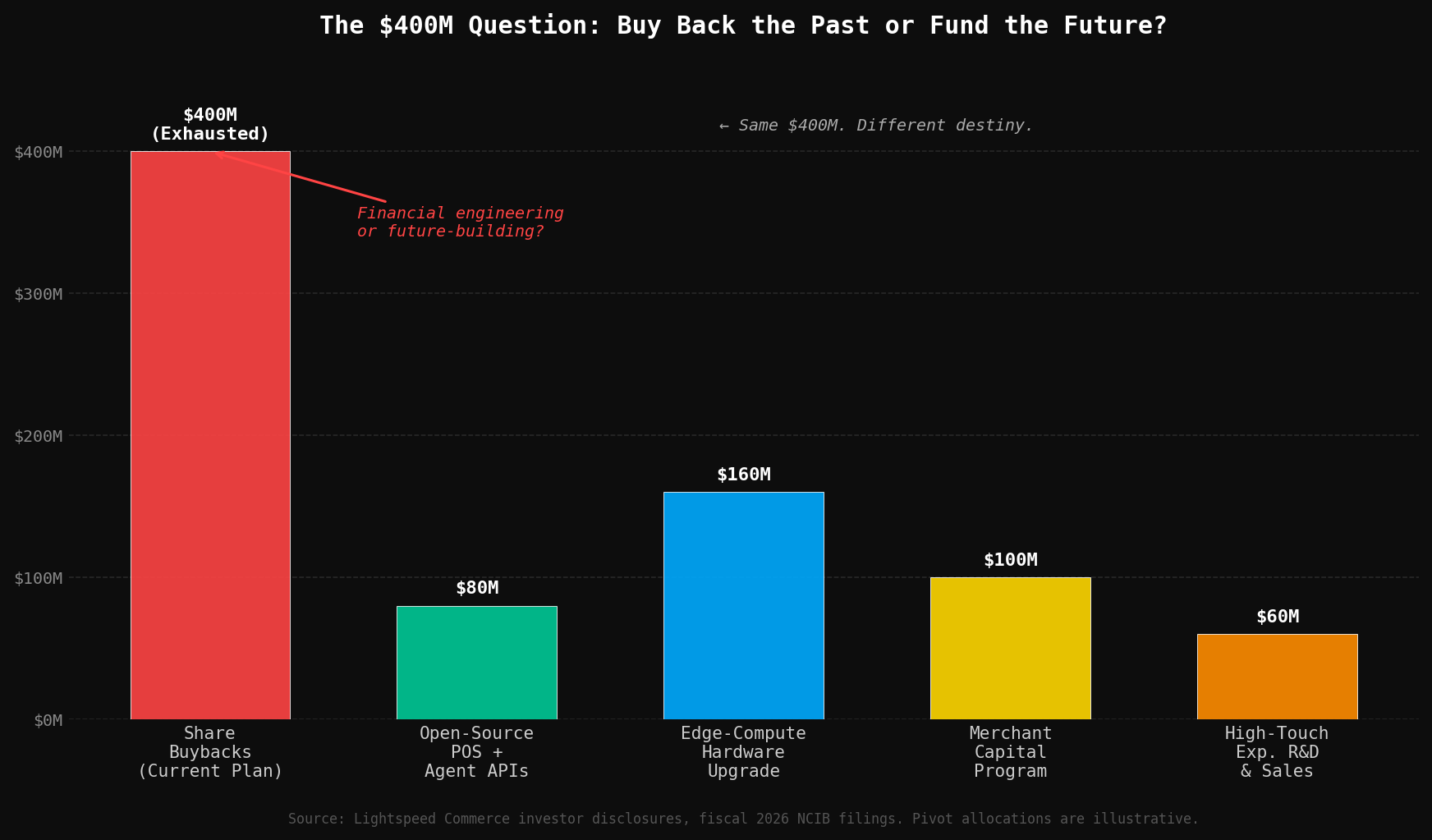
The Three Threats Nobody on the Earnings Call Wants to Talk About
I’m going to say the quiet part loud, because apparently that’s my job now.
First: AI is coming for the software subscription. A tech-savvy restaurant owner can already use tools like Anthropic’s Claude to generate a custom point-of-sale interface, host it on Vercel for nearly nothing, and pay zero monthly subscription fees. For simple single-location operators, the $200-per-month SaaS model is increasingly a choice, not a necessity. Lightspeed’s only real shield here is its payment rails, its hardware ecosystem, and its ability to negotiate interchange rates with Visa and Mastercard. Those things an AI-generated app genuinely cannot replicate. Not yet. But the clock is ticking.
Second: AI shopping agents are about to bypass the storefront entirely. When a consumer instructs their personal agent to find and buy a product, the agent doesn’t browse a beautiful omnichannel website. It pings backend data APIs, compares specs, and executes machine-to-machine. Lightspeed’s front-end commerce tools, the ones they’ve spent years refining, become a layer nobody is looking at anymore. The company becomes a utility pipe. Utility pipes don’t command software multiples.
Third: Gen Z is quietly defunding the entire merchant category Lightspeed built its business on. This generation drinks significantly less alcohol than millennials did at the same age. They eat at home more. They stream instead of club. They order delivery instead of dining in. Lightspeed’s revenue engine is tethered to fine dining, boutique retail, nightclubs, and golf resorts. That’s a beautiful business when the generation with disposable income is physically showing up. When they stay home and order pizza, the transaction bypasses the Lightspeed terminal entirely and lands in UberEats’ pocket. This isn’t speculation; it’s a demographic curve with a very predictable trajectory.
What a Montreal-Worthy Pivot Actually Looks Like
So here’s what I’d do if I were Dax, and I had the courage to stop defending the old model and start building the next one.
Give the software away. Open-source the core POS interface. Let merchants use AI tools to customize it however they want. You neutralize the threat of merchants building their own apps because you’ve given them your architecture to build on. You lose a slice of subscription revenue and gain an enormous lock on the infrastructure. Free software that runs on proprietary hardware and payment rails is still a business. It’s just a better-moated one.
Build the Agent API layer. Not a chatbot that tells merchants things. A backend data pipe specifically engineered for autonomous AI shopping agents. When an AI agent is shopping on behalf of a consumer, it needs to ping inventory, verify shipping windows, and settle payments in real time. Lightspeed, with its existing merchant relationships and payment infrastructure, is perfectly positioned to be that layer. Charge for the transaction. Charge for the API calls. Make the rails valuable, not the screens.
Ruthlessly narrow the merchant focus. Stop chasing generic retail. Golf courses, luxury spas, music festivals, high-end nightlife, cannabis dispensaries: these are the physical, high-touch experiences that Gen Z actually leaves the house for. They can’t be delivered. They can’t be replaced by a streaming subscription. Lightspeed already has genuine market depth in hospitality and golf. Double down. Abandon the rest.
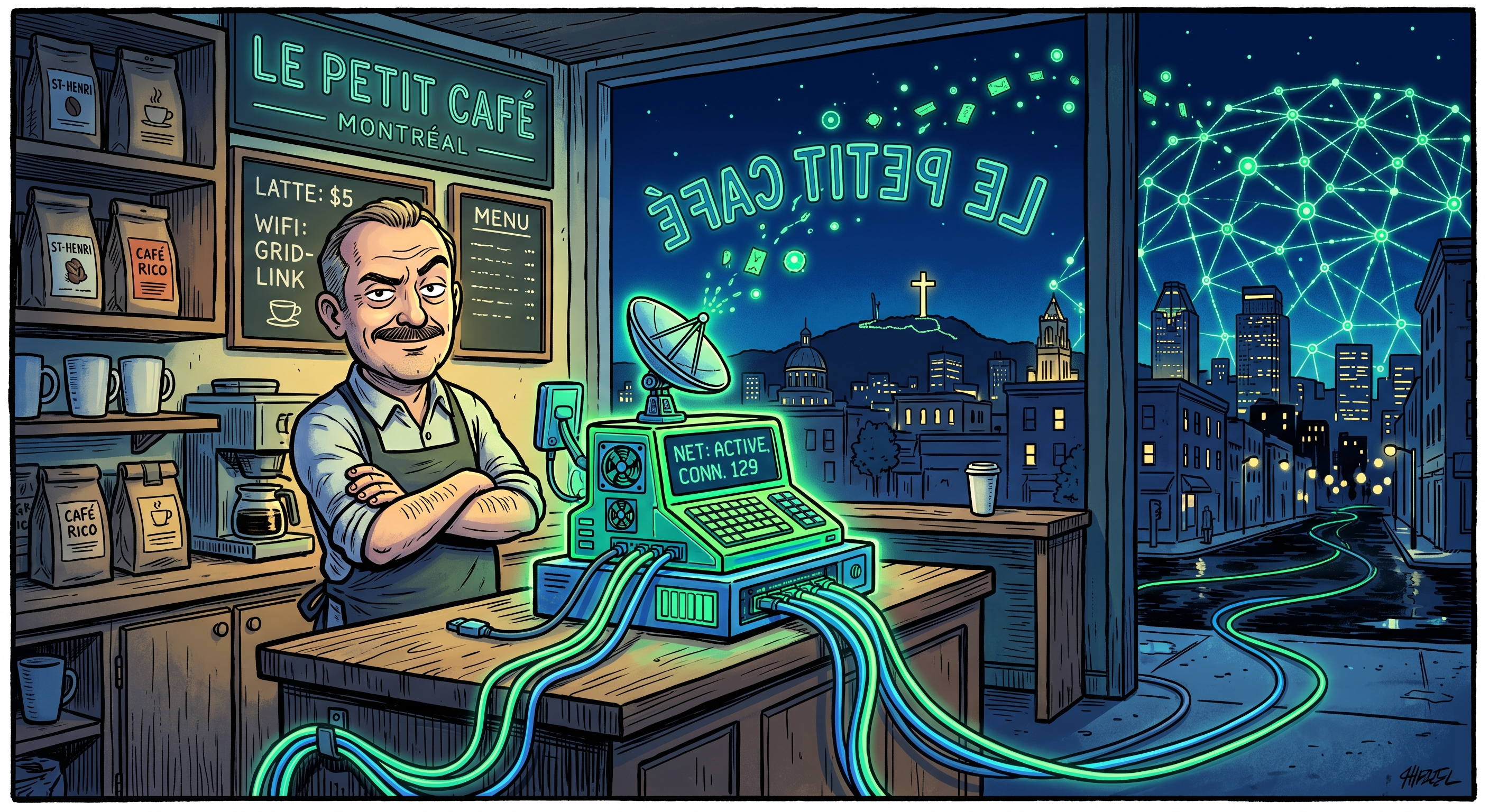
Execute the Hut 8 play. This one requires guts. Hut 8 looked at its Bitcoin mining hardware and realized it owned something far more valuable than a mining operation: it owned physical infrastructure and energy connections that the AI industry desperately needed. It converted those assets into AI data centers and completely transformed its valuation narrative. Lightspeed has 148,000 active POS terminals sitting in retail corridors, luxury hotels, and restaurant districts in some of the most densely populated neighbourhoods on the planet. During business hours, 95 percent of their computing capacity sits idle. The future of AI requires edge computing, processing power located close to where decisions need to be made, not shipped from a data center in the desert. Lightspeed could partner with a chipmaker, upgrade those terminals with localized AI processing modules, and lease idle compute power back to big tech networks running autonomous delivery systems, augmented reality mapping, and real-time localized AI inference. The moment that announcement lands, the stock stops trading like a declining SaaS company and starts trading like an AI infrastructure utility. Ask Hut 8 how that feels.
The Earnings Call Is Not the Point
Lightspeed reports its full-year fiscal 2026 results on May 21, 2026. Everyone is watching for software subscription acceleration above 10%, aggressive EBITDA guidance for fiscal 2027, and confirmation that the NCIB renewal is approved to deploy the remaining $200 million in buybacks.
I’ll be watching for something else. I’ll be listening for whether Dax sounds like a man defending a position or a man seizing a moment.
Apple in 2001 didn’t save itself by cutting costs and buying back stock. It launched the iPod and reinvented what the company was for. Tesla is doing something even harder right now. Not iterating on the car. Not defending the category it already owns. A cold, deliberate bet on humanoid robotics. A new category from scratch. Not because the car business is failing. Because the next frontier is bigger. That’s the difference between a company that survives and a company that leads.
Lightspeed was built in Montreal, by people who didn’t care what the rules said. That city has never once produced something remarkable by playing it safe.
The question is whether that DNA is still in there somewhere.
It should be. The tools are in their hands. The cash is in the bank. The window is not yet closed.
But windows have a way of closing faster than boardrooms expect.
Word.
The author is a shareholder with a position in Lightspeed Commerce (TSX: LSPD). This is not financial advice. It is, however, an honest conversation that someone needed to start.


Leave a Reply